





Oval Diamond: The Complete Guide to Choosing Your Perfect Stone
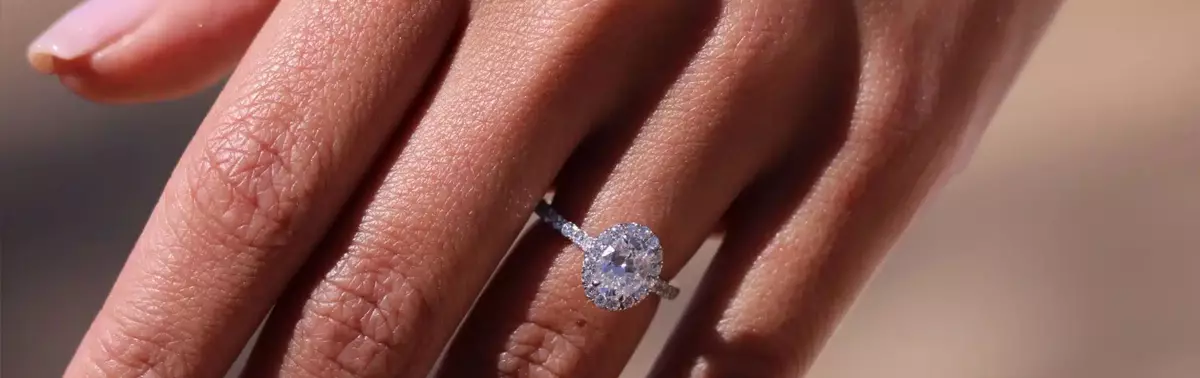
The oval diamond has become one of the most sought-after fancy diamond shapes on the market in recent years. Elegant, brilliant, and highly flattering on the finger, it has won the hearts of engaged couples and fine jewelry enthusiasts around the world. But how do you choose the right oval-cut diamond? Which quality factors should you pay attention to? What setting works best for this shape?
At Celinni, a trusted diamond jeweler with showrooms in Paris and Casablanca, we have created this comprehensive guide to help you make the best possible choice when selecting an oval diamond.
What Is an Oval Diamond?

The oval diamond was created by combining two iconic diamond shapes: the Round Brilliant Cut and the Marquise Cut. The result is a beautifully balanced gemstone with soft, elegant curves and 55 carefully crafted facets designed to maximize brilliance, fire, and light performance.
Classified as a fancy-shaped diamond—a category that includes all diamond shapes other than round—the oval-cut diamond is now the most popular fancy shape, surpassing both cushion-cut and pear-shaped diamonds.
Its elongated silhouette offers several distinctive advantages:
- It visually elongates the finger, creating an elegant and slimming effect that is especially desirable in engagement rings.
- It appears larger than a round diamond of the same carat weight, thanks to its extended shape and greater visible surface area.
- It is often more affordable than a round brilliant diamond of comparable quality, as the cutting process typically preserves more of the original rough diamond, resulting in less material loss.
These qualities make the oval diamond an exceptional choice for anyone seeking a diamond that combines timeless elegance, impressive visual presence, and excellent value.
The 4 Essential Criteria for Choosing an Oval-Cut Diamond
1. Oval Diamond Color
Color is one of the first factors to evaluate when purchasing an oval-cut diamond. The GIA color grading scale ranges from D (colorless) to Z (noticeable yellow tint).
For the best visual result:
- White gold or platinum settings: Choose a color grade of G or higher (G, F, E, D). White metals tend to highlight any yellow undertones, making higher color grades the preferred choice.
- Yellow gold or rose gold settings: You can comfortably select a color grade as low as I or even K without any visible difference to the naked eye. The warm tones of yellow or rose gold naturally complement subtle golden reflections in the diamond, allowing you to allocate more of your budget toward a larger carat weight.
Celinni Expert Tip: Never choose a color grade below I for an oval diamond set in white gold or platinum, as lower grades may create an undesirable yellow appearance that can affect the overall beauty of the jewelry.
2. Oval Diamond Clarity
Diamond clarity refers to the presence or absence of internal inclusions and external blemishes. It is graded according to the GIA clarity scale, ranging from FL (Flawless) to I3 (Included).
For an oval-cut diamond, we recommend the following:
- Minimum recommended grade: SI1 (Slightly Included 1). At this level, inclusions are typically invisible to the naked eye under normal viewing conditions.
- Ideal grade: VS2 (Very Slightly Included 2) or higher. This clarity level ensures a visually flawless appearance, with no inclusions detectable without magnification.
The oval cut’s numerous facets naturally help conceal minor inclusions. However, choosing a clarity grade that is too low may reduce the stone’s overall brilliance and visual appeal.
3. Cut Quality and Symmetry: How to Avoid the Bow-Tie Effect
Cut quality is arguably the most important factor when selecting an oval diamond. Unlike the Round Brilliant Cut, oval diamonds do not receive an official cut grade from the GIA. As a result, two key elements require close attention.
Length-to-Width Ratio
The length-to-width ratio determines the overall appearance of the oval shape. It is calculated by dividing the diamond’s length by its width.
| Ratio | Visual Appearance |
|---|---|
| 1.30 – 1.40 | Short oval with a rounder appearance |
| 1.45 – 1.55 | Classic, balanced oval |
| 1.60 – 1.70 | Elongated, slender oval |
The ideal ratio ultimately depends on personal preference. However, a ratio between 1.45 and 1.55 is generally considered the most attractive, offering the perfect balance between elegance, symmetry, and visual size.
Symmetry: The Key to Avoiding the Bow-Tie Effect
The Bow-Tie Effect is one of the most common concerns when purchasing an oval diamond. It appears as a dark shadow resembling a bow tie across the center of the stone and results from poor light performance caused by an imperfect cut.
To minimize or avoid this effect:
- Choose diamonds with Excellent or Very Good symmetry grades.
- Examine the stone under different lighting conditions.
- Seek guidance from a trusted diamond expert.
Celinni Expert Tip: Every oval diamond in our collection is carefully selected to ensure the absence of a pronounced Bow-Tie Effect. A well-proportioned diamond with excellent symmetry will display consistent brilliance across its entire surface.
4. Carat Weight: Finding the Right Balance
Carat weight has a direct impact on the price of an oval diamond. The good news is that an oval-cut diamond typically appears 10% to 15% larger than a round diamond of the same carat weight due to its elongated shape.
This means that with the same budget, you can often choose an oval diamond that delivers a larger visual presence and greater finger coverage compared to a round brilliant diamond, making it an excellent option for maximizing both beauty and value.
How Much Does an Oval-Cut Diamond Cost?
One of the key advantages of an oval-cut diamond is that it is generally more affordable than a round brilliant diamond with equivalent characteristics in terms of color, clarity, and carat weight.
This price difference can be explained by two main factors:
- Less rough diamond waste during cutting, as the polishing process is typically less demanding than that of a round brilliant diamond.
- Lower overall market demand, although the popularity of oval diamonds has grown significantly in recent years.
In practical terms, you can expect to save between 10% and 20% compared to a comparable round diamond. This substantial difference allows you to invest in a larger carat weight, a higher-quality stone, or a more elaborate engagement ring setting while staying within the same budget.
Choosing the Perfect Setting for Your Oval Diamond
A setting is much more than a frame for your diamond—it should enhance the beauty of your oval-cut diamond while reflecting your personal style. At Celinni, several setting options are available to suit every preference.
The Classic Solitaire
For those who appreciate simplicity and timeless elegance, an oval diamond solitaire ring showcases the center stone in its purest form. The design focuses entirely on the diamond without unnecessary embellishments, making it the perfect choice for those who want the stone to take center stage.
The Side-Stone Solitaire
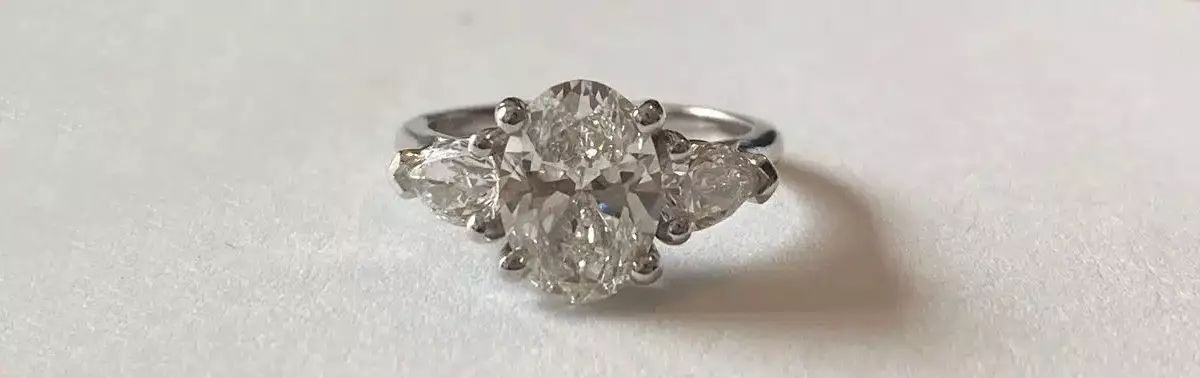
Also known as a three-stone setting, the side-stone solitaire features smaller diamonds positioned alongside the center stone. This design adds extra brilliance while beautifully framing the oval diamond.
Our Oval Diamond Solitaire Elle Ring perfectly embodies the balance between understated elegance and exceptional sparkle.
The Halo Setting
A halo setting surrounds the center diamond with a circle of smaller diamonds. This design enhances the perceived size of the stone and creates a luxurious, regal appearance.
Our Oval Diamond Solitaire Ma Vie Ring is a perfect example of this sophisticated and glamorous style.
A Bespoke Custom Setting
Looking for a truly unique engagement ring?
Our Paris-based jewelry workshops can create a fully custom setting tailored to your vision. We begin with detailed 3D renderings, allowing you to visualize the final design before production. If required, a wax model can also be created prior to the final manufacturing process, ensuring every detail meets your expectations.
Available Precious Metals for Your Setting
At Celinni, all our engagement ring settings are available in the finest precious metals:
- 18K Yellow Gold (750/1000): Warm, timeless, and traditional. Particularly beautiful when paired with diamonds in the I to K color range.
- 18K White Gold (750/1000): Modern, refined, and elegant. An excellent match for diamonds graded D to G in color.
- 18K Rose Gold (750/1000): Romantic, contemporary, and flattering on all skin tones.
- 950 Platinum: The most prestigious and durable precious metal, ideal for an engagement ring or fine jewelry piece worn every day.
How to Buy an Oval Diamond with Confidence
Purchasing an oval-cut diamond is an important investment that deserves careful consideration. Here are the essential guarantees you should always look for:
GIA or HRD Certification
Every high-quality diamond should be accompanied by an independent grading report from a recognized laboratory such as GIA or HRD. These certificates verify the diamond's exact characteristics, including its color, clarity, carat weight, and proportions.
Full Transparency Regarding the Bow-Tie Effect
Always ask to view the diamond under different lighting conditions or request a video showing the stone in motion. This allows you to accurately assess light performance and identify any visible Bow-Tie Effect.
Personalized Expert Guidance
A true diamond specialist takes the time to understand your project, budget, style preferences, and expectations before recommending the most suitable diamond.
At Celinni, we have access to hundreds of thousands of certified natural diamonds, enabling us to find the perfect oval diamond for every client. Whether you visit us in Paris or Casablanca, our diamond experts are available for a personalized consultation in person or via WhatsApp.
Enzo Cousin
Diamond Expert at Celinni
📧 Enzo@celinni.com
📱 WhatsApp: +33 6 48 80 95 05
FAQ – Frequently Asked Questions About Oval Diamonds
What Is an Oval-Cut Diamond?
An oval-cut diamond is a precious gemstone shaped like an ellipse and featuring 55 facets. It is often considered a combination of the Round Brilliant Cut and the Marquise Cut. Its elongated shape creates the illusion of longer, slimmer fingers while offering a larger face-up appearance than many other diamond shapes of the same carat weight.
What Color Grade Should I Choose for an Oval Diamond?
For an oval diamond set in white gold or platinum, it is recommended to choose a color grade of G or higher (G, F, E, or D). White metals tend to emphasize any yellow undertones in the stone.
For yellow gold or rose gold settings, color grades ranging from I to K are perfectly acceptable and typically appear colorless to the naked eye. This allows you to allocate more of your budget toward a larger carat weight or higher clarity grade.
What Is the Bow-Tie Effect in an Oval Diamond?
The Bow-Tie Effect is a dark shadow that appears across the center of some oval diamonds, resembling the shape of a bow tie. It is caused by poor light reflection resulting from imperfect proportions or symmetry during the cutting process.
To minimize this effect:
- Select a diamond with Excellent or Very Good symmetry.
- Examine the stone under multiple lighting conditions.
- Work with a trusted diamond expert who can assess the diamond’s light performance.
Is an Oval Diamond Less Expensive Than a Round Diamond?
Yes. With equivalent characteristics such as color, clarity, and carat weight, an oval-cut diamond is generally 10% to 20% less expensive than a Round Brilliant Diamond.
This price advantage is primarily due to:
- Better preservation of rough diamond material during cutting.
- Lower overall demand compared to round diamonds, although oval diamonds continue to gain popularity worldwide.
What Clarity Grade Should I Choose for an Oval Diamond?
For an oval diamond, it is generally recommended not to go below SI1 (Slightly Included 1) clarity.
For maximum peace of mind and an eye-clean appearance, a clarity grade of VS2 (Very Slightly Included 2) or higher is ideal, ensuring that inclusions remain invisible to the naked eye.
What Is the Best Setting for an Oval Diamond?
Several engagement ring settings beautifully complement an oval-cut diamond:
- Classic Solitaire: Timeless and elegant, highlighting the center stone.
- Side-Stone Solitaire: Adds extra brilliance with diamonds on either side of the center stone.
- Halo Setting: Surrounds the diamond with smaller stones, creating the illusion of a larger center diamond.
Celinni also offers fully custom-designed engagement ring settings, allowing clients to create a truly unique piece of fine jewelry.
What Length-to-Width Ratio Is Best for an Oval Diamond?
The most popular and visually balanced ratio typically falls between 1.45 and 1.55.
- 1.30 – 1.40: Produces a shorter oval with a rounder appearance.
- 1.45 – 1.55: Creates a classic, balanced oval shape.
- 1.60 – 1.70: Results in a more elongated and slender oval.
The ideal ratio ultimately depends on personal preference, hand shape, and the overall look you wish to achieve.
Clean up your HTML code and format your content with a fast, browser-based editor.








CUSTOMER TESTIMONIALS
ON YOUR DIAMOND
Read our customer testimonials
NEWSLETTER
Sign up to receive the latest news regarding
the products and services CELINNI, and much more.