


-15% sitewide

Bridal Traditions: 4 Symbols That Bring Good Luck

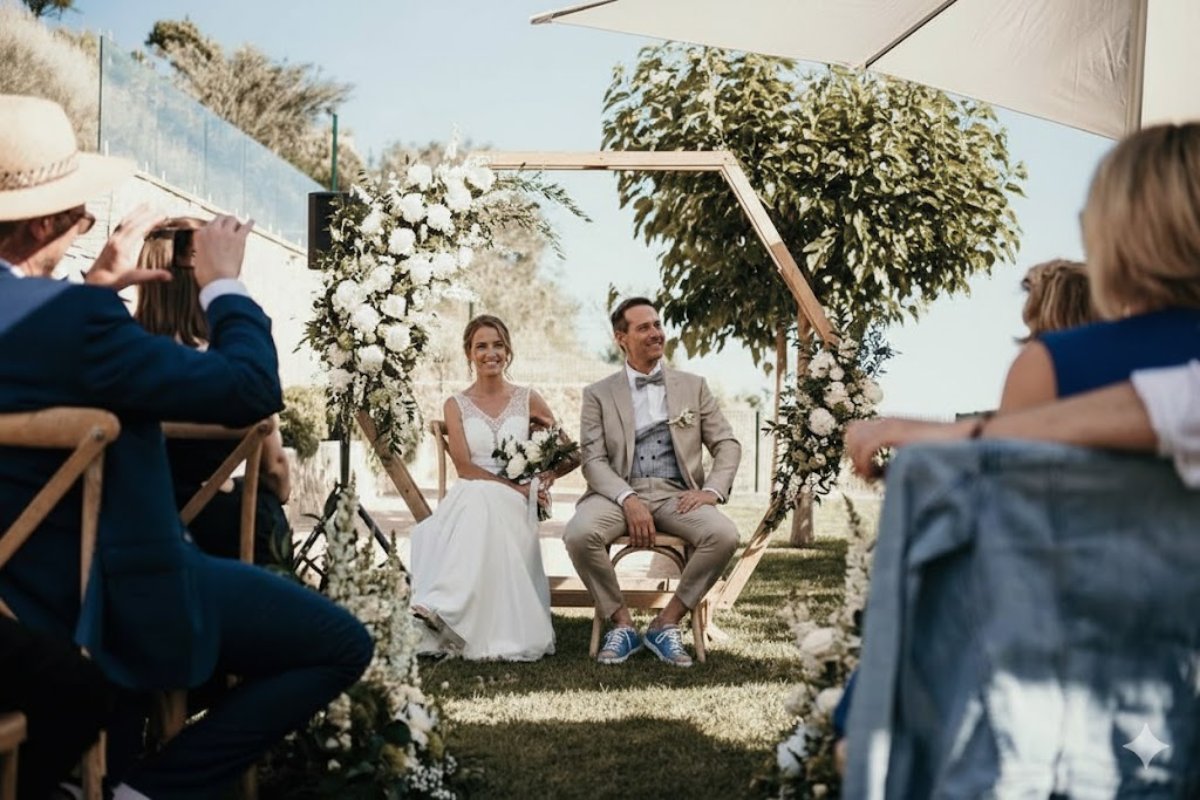
Bride and groom during an outdoor wedding ceremony, illustrating bridal traditions and lucky wedding symbols that accompany the union

A wedding is much more than a ceremony: it is a rite of passage, rich in symbolism, gestures, and traditions passed down through generations. Every wedding tradition carries deep intentions—protection, good fortune, harmony, and prosperity for the future couple.

While some customs vary across cultures, many are rooted in universal wedding symbolism, centered around the bride and the meaningful objects that accompany her on the wedding day.

For centuries, brides have been surrounded by lucky symbols, carefully chosen to mark the beginning of a new chapter in life. Jewelry, accessories, colors, or ritual gestures—every detail becomes a powerful wedding symbol, filled with emotion and meaning.

In this article, we explore four traditional bridal symbols that, across cultures and eras, are closely associated with luck, love, and balance within the couple.

Why Do Bridal Traditions Carry Such Meaning?

In every wedding tradition, the bride holds a central role. She represents transition, transformation, and union. The traditions surrounding her are never purely aesthetic; they are designed as lucky charms for the wedding, meant to guide the bride toward a new life.

Wedding symbols often take the form of objects, colors, or rituals passed down through generations. Their purpose is to:

  • protect the bride,
  • strengthen harmony within the couple,
  • anchor the union in family continuity and emotional heritage.

Whether it is a symbolic wedding object, an accessory worn on the wedding day, or an intimate ritual performed before the ceremony, every element carries strong wedding symbolism. Even today, these traditions naturally find their place in modern weddings, as they respond to a universal desire: giving deeper meaning to commitment.

The 4 Traditional Bridal Symbols That Bring Good Luck

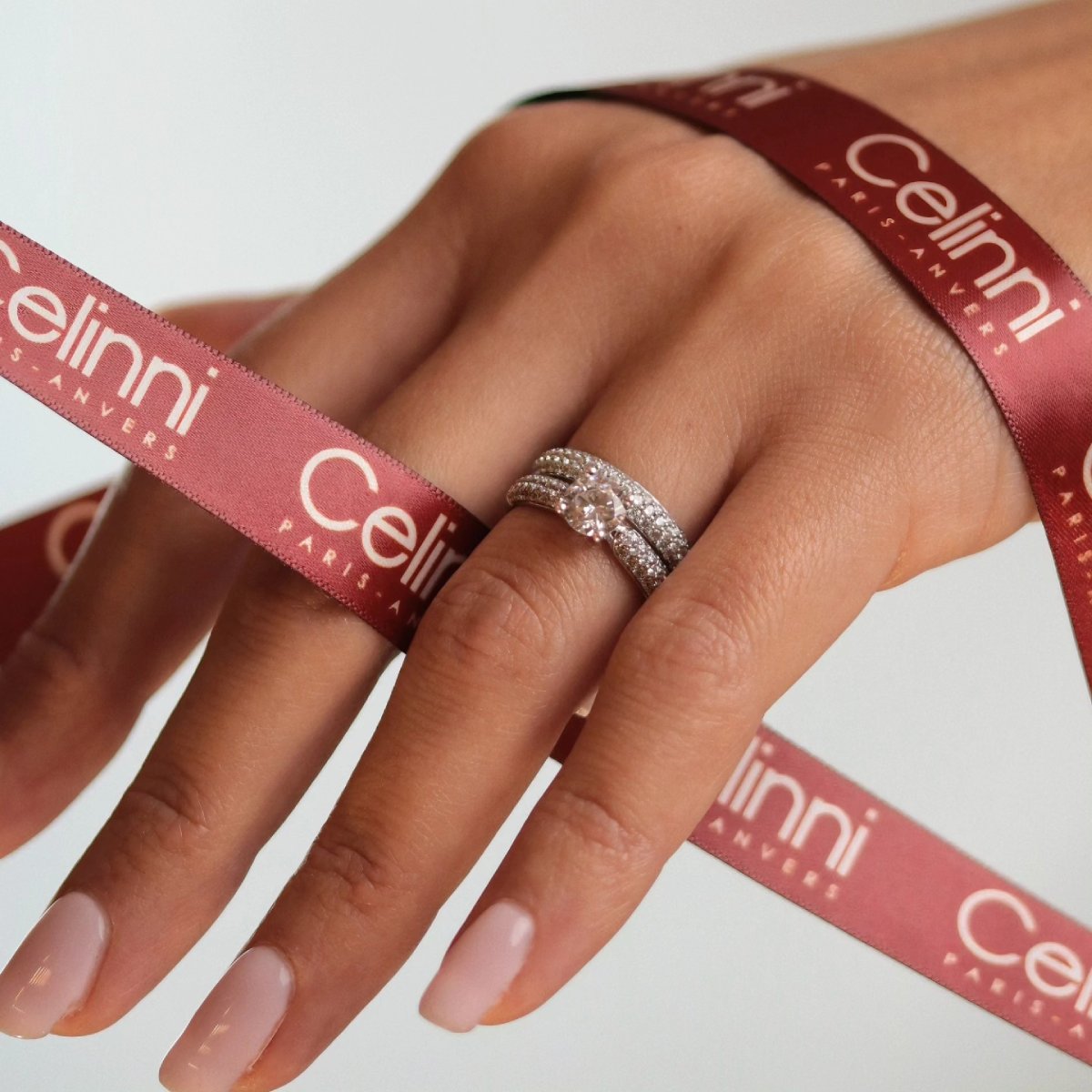
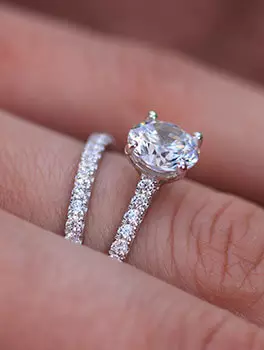
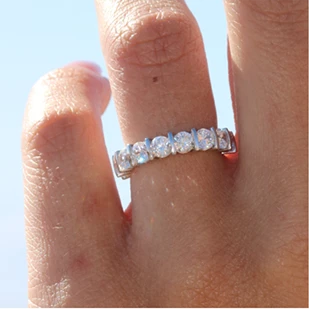
Bride’s hand wearing a diamond ring, a symbolic piece of wedding jewelry and traditional lucky charm on the wedding day

Across history, many traditions appear in different forms but share the same intentions. Here are four essential symbols, commonly associated with luck and happiness, found in bridal traditions around the world.

1. Symbolic Jewelry: Protection and Heritage

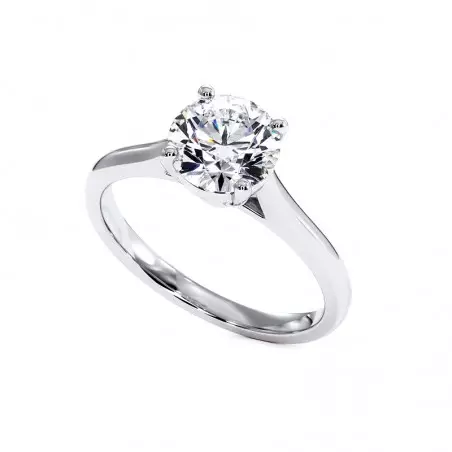
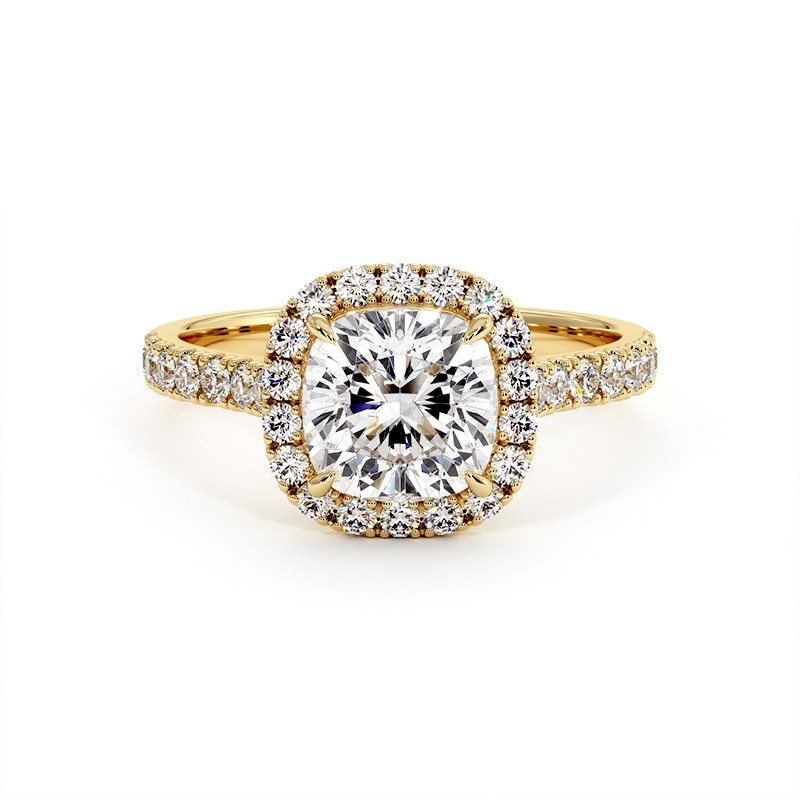
Jewelry is one of the oldest wedding objects. Whether gifted, inherited, or chosen especially for the ceremony, it represents a powerful wedding lucky charm.

In many cultures, wearing jewelry on the wedding day symbolizes protection, fidelity, and continuity. Often passed down by a loved one, this wedding object creates a link between the past, the present, and the future of the couple.

2. The Veil, Headpiece, or Bridal Accessory

Whether it is a delicate veil, a bridal headband, or another symbolic accessory, this element accompanies the bride as she transitions into a new stage of life.

Traditionally, this wedding accessory is associated with protection and modesty, while also highlighting the beauty and significance of the wedding dress and its details.

3. Something Blue: A Symbol of Fidelity and Good Fortune

Among the most well-known wedding traditions is wearing something blue. This blue wedding detail—subtle or bold—symbolizes loyalty, sincerity, and stability.

Incorporated into the outfit, jewelry, or accessories, “something blue” remains one of the most timeless lucky symbols for a wedding.

4. A Borrowed Object or Pre-Ceremony Ritual

Wearing a borrowed object or performing a symbolic gesture before the ceremony is part of many bridal wedding traditions. This borrowed wedding item represents the transmission of happiness, experience, and protection.

Beyond the object itself, it is the intention that matters most: surrounding the bride with positive energy and reinforcing the symbolic strength of the union.

These Traditions Across Cultures: A Universal Symbolism

Although forms and rituals vary from one region of the world to another, wedding symbolism remains remarkably universal. Across cultures, the same intentions can be found behind every wedding tradition: protecting the bride, attracting good fortune, and laying the foundations for a harmonious union.

Whether it is an inherited piece of jewelry, a carefully chosen accessory, or a wedding object selected for its symbolic value, these traditions transcend borders. The same wedding symbols appear in different expressions depending on local customs, while preserving their core meaning: celebrating love, fidelity, and the couple’s prosperity.

This cultural richness allows each bride to draw inspiration freely from wedding traditions, selecting those that resonate most deeply with her personal story. In this way, tradition becomes a universal language, capable of connecting past and present in a single meaningful gesture.

How to Integrate These Symbols into a Modern Wedding

Today, many brides wish to honor wedding traditions while creating a celebration that truly reflects who they are. Integrating these symbols is no longer about following rigid rules, but about adopting a personal and contemporary approach.

A symbolic wedding can be expressed through subtle details: meaningful jewelry, a wedding object passed down by a loved one, or a lucky color delicately incorporated into the bridal look. Even iconic traditions—such as wearing something blue at a wedding—fit seamlessly into a modern aesthetic without overwhelming the overall style.

The key is to focus on intention rather than obligation. By adapting these wedding lucky charms to her own style and values, the bride transforms each tradition into a living symbol, perfectly aligned with her time and individuality.

FAQ – Bridal Traditions and Wedding Symbols

Are bridal traditions mandatory?

No, no wedding tradition is mandatory. Traditions exist primarily to give meaning and provide symbolic guidance for the bride. Every bride-to-be is free to adopt certain traditions, adapt them, or create her own rituals based on her values and personal story.

Why do objects carry such strong symbolism in a wedding?

Wedding objects are meaningful because they represent transmission, protection, and intention. Whether it is jewelry, an accessory, or a wedding item that is borrowed or gifted, their value lies as much in their symbolism as in the emotion they convey.

What does the tradition of “something blue” mean at a wedding?

The tradition of wearing something blue at a wedding is associated with fidelity, sincerity, and stability within the couple. This blue wedding detail—often discreet—acts as a wedding lucky charm and can be incorporated into the bride’s outfit or accessories.

Can jewelry be considered a wedding lucky charm?

Yes, jewelry is one of the oldest wedding lucky charms. Whether gifted or passed down, it symbolizes protection, commitment, and family continuity. It is a powerful wedding symbol, often cherished for a lifetime.

Can multiple wedding traditions be combined?

Absolutely. It is entirely possible to combine several bridal traditions, as long as they are meaningful to the bride. Blending symbols allows for a more personal ceremony, where every detail reflects the couple’s identity.

How can a wedding tradition be integrated into a modern ceremony?

A wedding tradition can be integrated in a subtle way: through a detail in the outfit, a symbolic accessory, or an intimate gesture before the ceremony. What matters most is that the tradition fits naturally into the wedding’s aesthetic and spirit, without feeling restrictive.

Conclusion

Bridal traditions are not simply customs inherited from the past. They embody deep wedding symbolism rooted in protection, transmission, and love. Through jewelry, accessories, or intimate gestures, each symbol becomes an emotional landmark that accompanies the bride into her new life.

Whether ancient or reinterpreted, these traditions remind us that marriage is, above all, a story of meaning and intention. By choosing the symbols that resonate with her, each bride creates her own ritual—blending heritage and modernity to celebrate a unique and deeply personal commitment.

Share this content