




BLACK FRIDAY: BEST DEALS

Can You Swim with Gold and Diamond Jewellery?

- Categories : Jewelry News Rss feed , Know your jewelry Rss feed
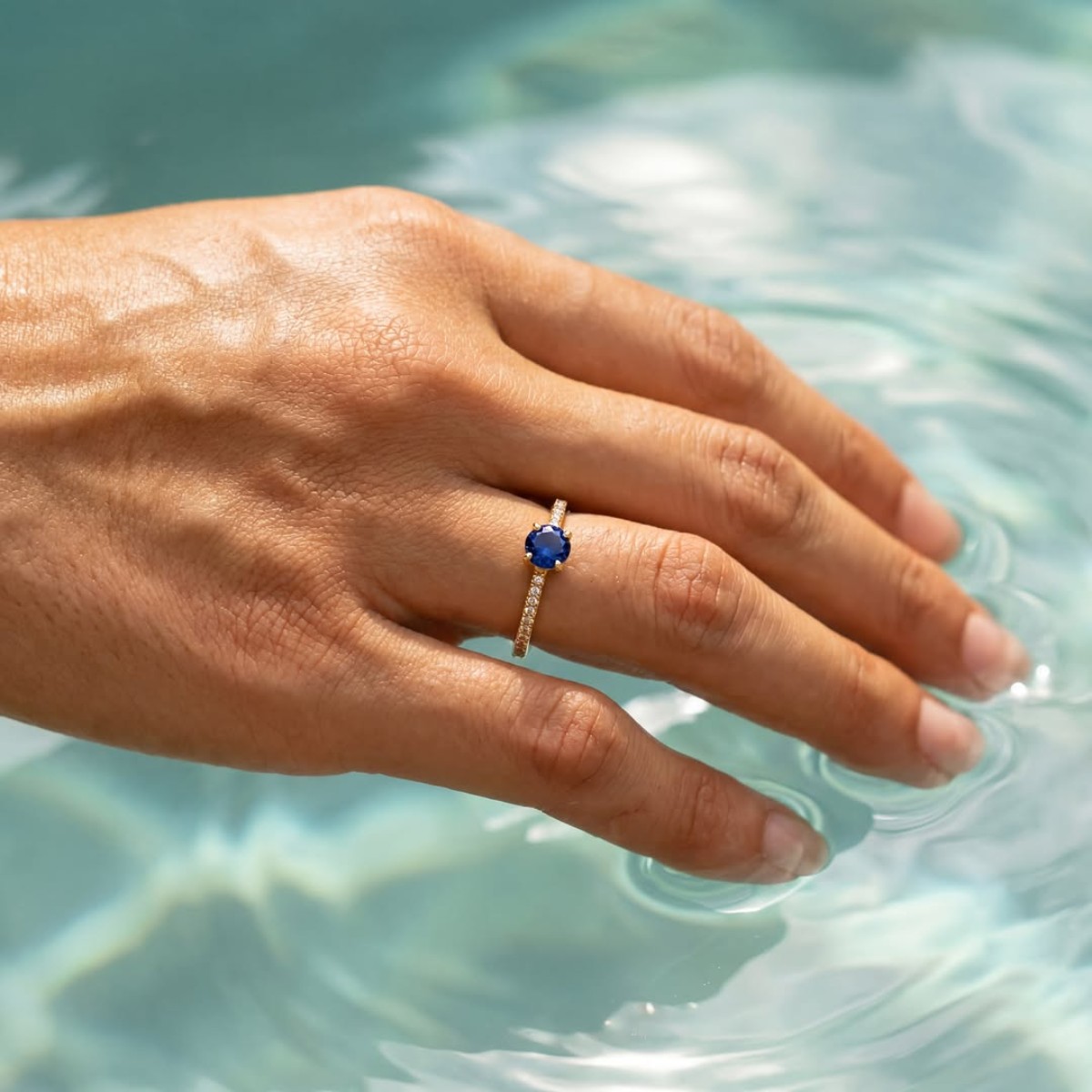
Yellow gold ring featuring a blue sapphire and natural diamonds worn above the water of a swimming pool.

It is one of the most frequently asked questions jewellers receive: “I'm going on holiday. Can I wear my gold and diamond ring while swimming?” The short answer is that 18k gold and diamond jewellery will not be ruined by water alone, but wearing it while swimming is not recommended. Fresh water will not damage it in the short term. The real concerns are chlorine, salt, sand, sunscreen and accidental loss.

From swimming pools and the sea to showers, baths and spas, discover the potential risks in each situation and how to protect your precious jewellery.

The Short Answer: Can You Wear Jewellery in Water?

Situation

Recommendation

Why?

Washing your hands

Generally safe

Brief exposure to fresh water. Make sure to rinse off any soap residue.

Showering

Avoid daily exposure

Soap and shampoo leave a dull film on diamonds.

Taking a bath

Not recommended

Bath oils, bubble bath and hot water.

Swimming pool

Strongly discouraged

Chlorine can damage certain gold alloys and cause discolouration.

Swimming in the sea

Avoid

Salt, abrasive sand and a high risk of losing jewellery.

Spa, hot tub or sauna

Avoid

Heat, chlorine and chemical products.

Water sports

Remove all jewellery

Risk of impact damage and accidental loss.

18k Gold and Water: What Really Happens?

Pure Gold Does Not Oxidise

Gold is a noble metal, meaning it does not rust or oxidise in water. However, 18k gold jewellery (750 gold) contains 75% pure gold and 25% other metals, such as copper, silver or palladium. These alloys make gold more durable and give it its distinctive colour, whether yellow, white or rose gold. It is these additional metals, rather than the gold itself, that can react to harsh chemicals.

Fresh Water: Minimal Risk to Gold Jewellery

Clean, room-temperature water will not damage gold jewellery under normal conditions. The real risk comes from substances found in water, including limescale, soap, chlorine and salt.

Chlorine: The Biggest Threat to Gold Jewellery

Chlorine found in swimming pools and spas is one of the greatest threats to gold jewellery. At high concentrations or through repeated exposure, it can:

  • Tarnish or discolour gold alloys.

  • Weaken soldered joints and other vulnerable areas.

  • Damage the rhodium plating on white gold jewellery, potentially revealing a slightly yellowish tone underneath.

A single swim will not necessarily cause noticeable damage, but the effects can accumulate over time. This is why jewellers recommend removing your gold jewellery before entering a swimming pool.

Salt Water and Sea Salt

Salt does not dramatically damage gold itself, but seawater can leave deposits that dull its surface, while sand acts as an abrasive that can scratch the metal.

There is also a significantly higher risk of losing jewellery than in a swimming pool. A ring that slips off your finger in the sea is rarely recovered.

Diamonds and Water: An Exceptionally Resistant Gemstone

Can Water Damage a Diamond?

Diamond is the hardest naturally occurring material. Fresh water, salt water, chlorine and sea salt do not damage the diamond itself. A natural diamond does not deteriorate with age or permanently lose its brilliance through ordinary exposure to water.

To understand what determines a diamond's value, discover our guide to the 4Cs of diamonds.

What Can Dull a Diamond? Oily Residue

Diamonds naturally attract oils. Sunscreen, monoi oil, moisturiser, soap and shampoo can all create an invisible film that reduces the brilliance of a diamond.

A dirty diamond may appear smaller and less radiant, even though the gemstone itself remains undamaged. This is why diamond jewellery worn at the beach often loses some of its sparkle.

The Real Risk: Damage to the Diamond Setting

Despite its exceptional hardness, a diamond can chip if subjected to a strong impact. More importantly, it can become loose in its setting.

The prongs holding the diamond in place are made of gold, a much softer material than diamond. An impact while swimming, diving, hitting the edge of a pool or coming into contact with a pebble can damage the setting. Repeated chlorine exposure may also weaken certain metal components, increasing the risk of the diamond becoming loose.

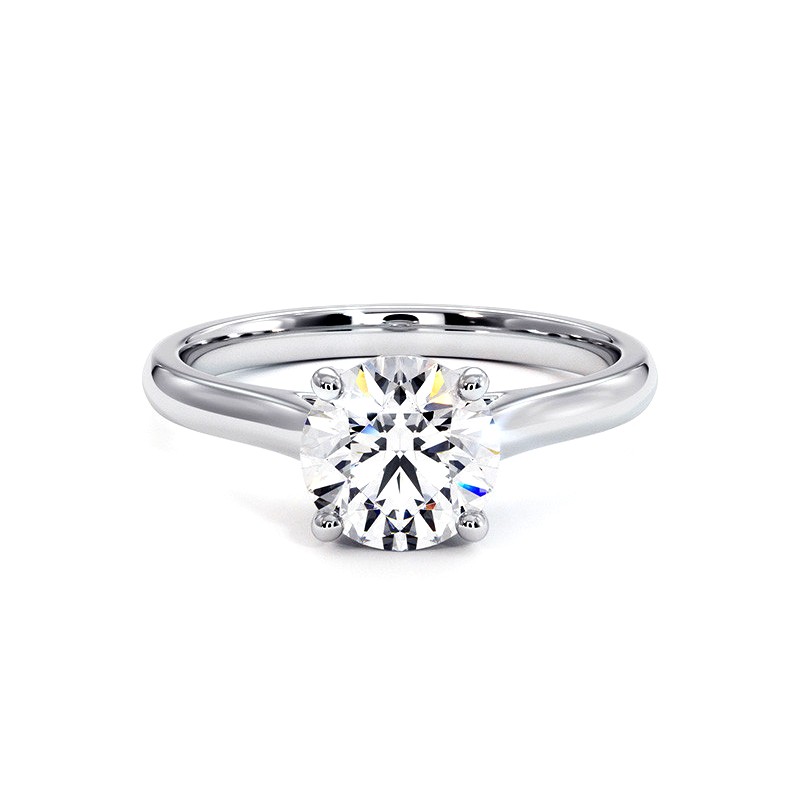
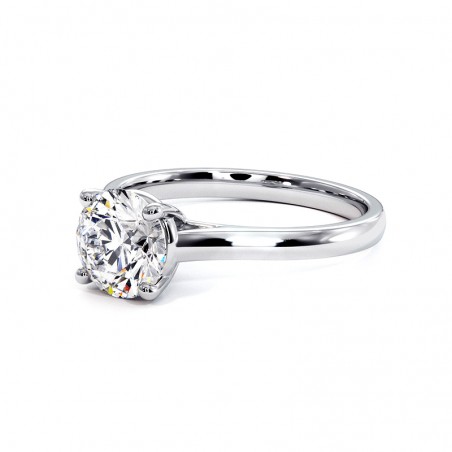
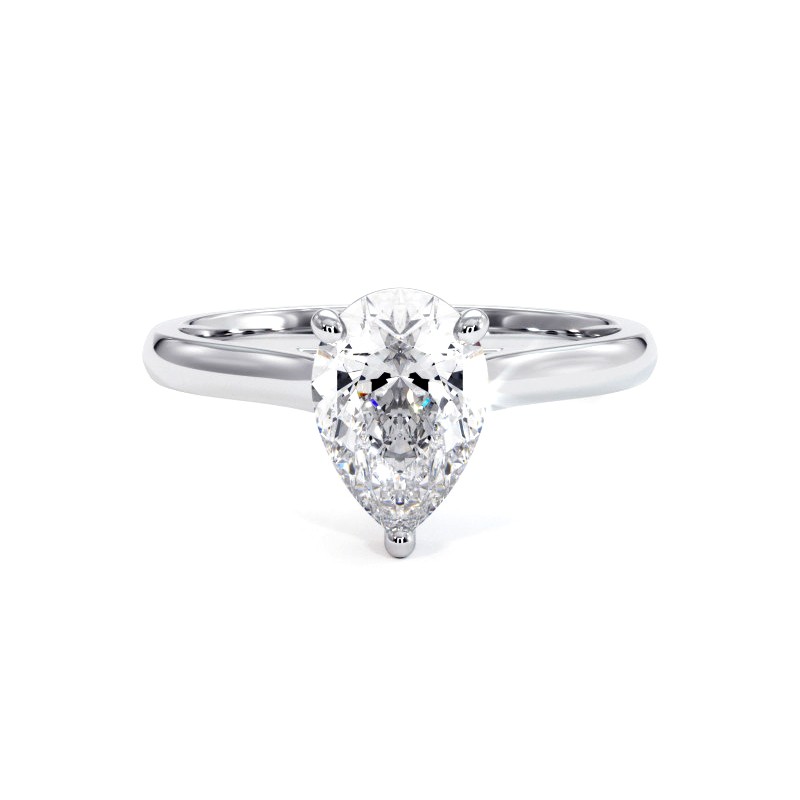
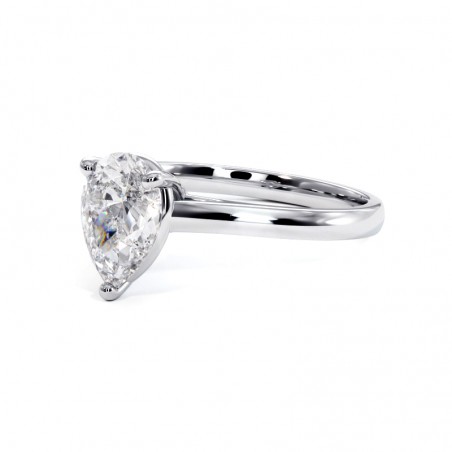
To discover different diamond settings and choose a design that offers excellent protection, explore our collection of diamond engagement rings.

The Risks of Wearing Gold and Diamond Jewellery in Different Situations

Wearing Gold and Diamond Jewellery in a Swimming Pool

Swimming pools combine several risks: chlorine exposure, impacts against pool edges, cold water that causes fingers to shrink, and accidental loss.

Remove your jewellery before swimming and store it safely in a protective jewellery pouch.

If you are using a hot tub or spa, high temperatures and chemical products can further increase the risk of damage.

Wearing Jewellery at the Beach and in the Sea

In addition to salt and sand, sunscreen can affect the appearance of your jewellery. Sand can scratch gold surfaces, while cold seawater causes your fingers to shrink, making rings more likely to slip off.

When visiting the beach, it is best to leave your precious gold and diamond jewellery in a secure hotel safe.

Can You Shower with Gold and Diamond Jewellery?

Many people are accustomed to wearing their rings in the shower. Occasional exposure is unlikely to cause serious damage, but soap and shampoo residue can accumulate beneath the gemstone, reducing its brilliance.

Temperature changes can also temporarily affect finger size and how securely a ring fits.

Remove your jewellery before showering and place it somewhere safe. Avoid leaving rings near an uncovered sink drain, where they could easily fall and become lost.

Wearing Jewellery in the Bath

Bath oils, bath bombs and bubble bath can leave significant residue on gold and diamonds, reducing their natural shine.

It is therefore best to remove your jewellery before taking a bath.

Washing Dishes or Cleaning While Wearing Jewellery

Detergents, bleach and household cleaning products are considerably more aggressive than fresh water.

Remove your gold and diamond rings before washing dishes or cleaning, or wear suitable protective gloves to minimise exposure to chemicals.

Wearing Gold and Diamond Jewellery During Sports

Gym workouts, swimming and racket sports expose jewellery to impacts, perspiration and potential damage.

If you prefer to keep wearing a piece of jewellery, such as your wedding band, choose a plain, well-fitting design and have its condition checked regularly.

Jewellery with Coloured Gemstones and Pearls: Even More Delicate

Not all gemstones react to water in the same way.

  • Sapphires and rubies: exceptionally hard gemstones that tolerate water well but remain sensitive to impacts and oily substances.

  • Emeralds: more delicate gemstones that are often treated with oils. Hot water, harsh chemicals and ultrasonic cleaners should be avoided.

  • Pearls: highly sensitive to chlorine, salt, perfume and perspiration. Avoid immersing them in water.

  • Opals and turquoise: sensitive gemstones that may be damaged by prolonged exposure to water, depending on their composition and treatments.

When it comes to coloured gemstone jewellery, it is always best to seek advice from your jeweller.

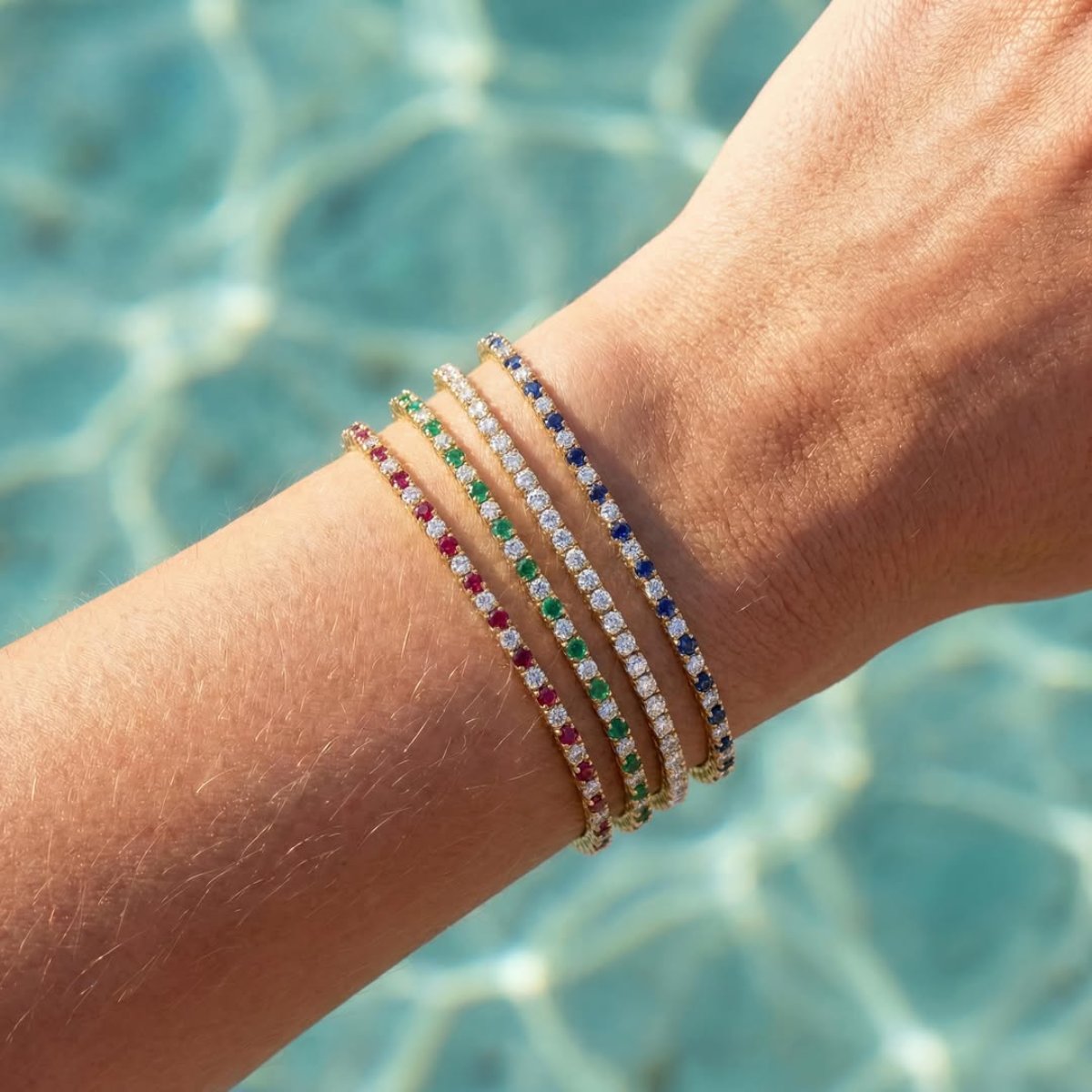
Yellow gold tennis bracelets set with diamonds, rubies, emeralds and sapphires worn above a swimming pool.

Which Types of Jewellery Are Most Resistant to Water?

If you prefer to wear jewellery every day, certain designs are more suitable than others:

  • A plain gold wedding band without gemstones: without a gemstone setting, it is generally more durable.

  • Jewellery with a bezel setting: the gemstone is better protected against impacts than in a traditional prong setting.

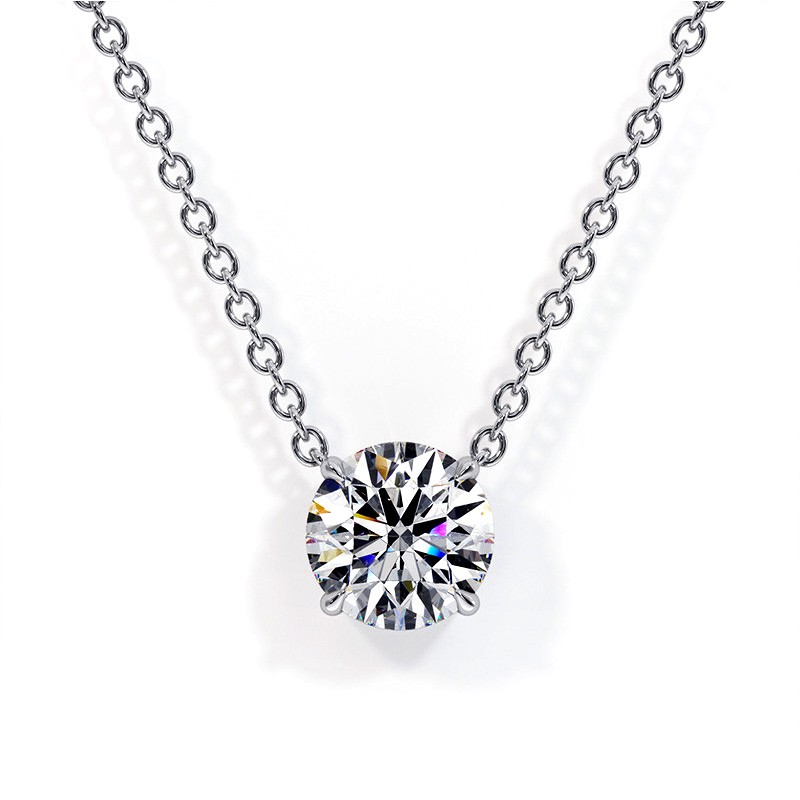
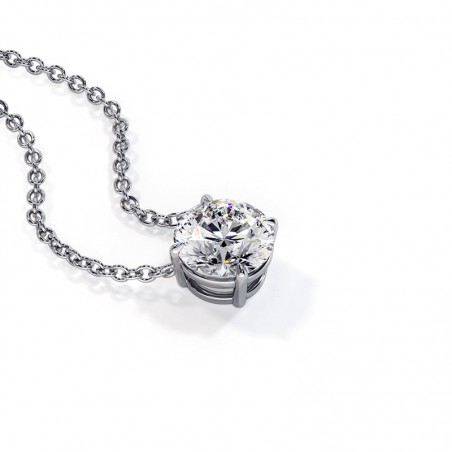
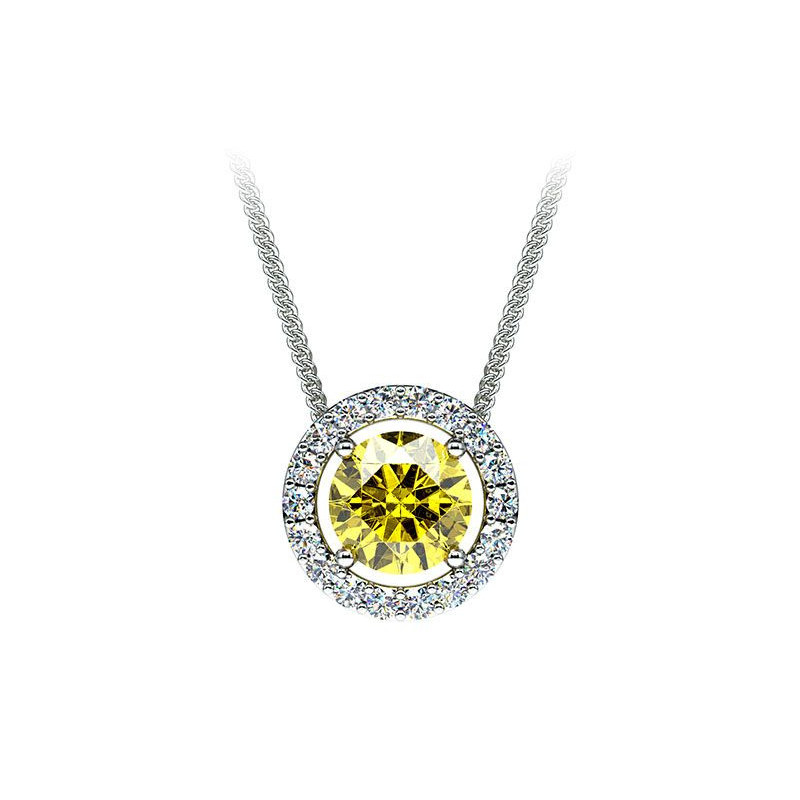
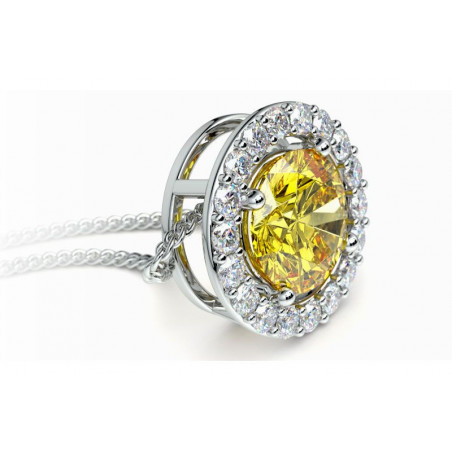
  • Small, low-profile jewellery that is less likely to catch on objects: explore our diamond pendants and necklaces or our diamond hoop earrings.

A compact, well-fitting piece of jewellery is also less likely to slip off. When choosing a ring, make sure you select the correct size by consulting our guide on how to measure your ring size.

For a comfortable bracelet that fits securely, discover our guide on how to choose a diamond bracelet for women.

What Should You Do If You Have Worn Your Jewellery in Water?

Accidentally wearing your gold and diamond jewellery in water is not necessarily a disaster. Here are the essential steps to follow:

  1. Rinse your jewellery with fresh water, especially after swimming in the sea or a pool, to remove chlorine and salt residue.

  2. Dry it gently using a soft, lint-free cloth.

  3. Clean your jewellery using the method described below.

  4. Check the diamond setting: the gemstone should not move or rattle. If you notice any movement, stop wearing the jewellery and have it inspected by a professional jeweller.

  5. Monitor its appearance: if you notice any changes in the colour or brilliance of the gold, seek professional advice.

How to Clean Gold and Diamond Jewellery at Home

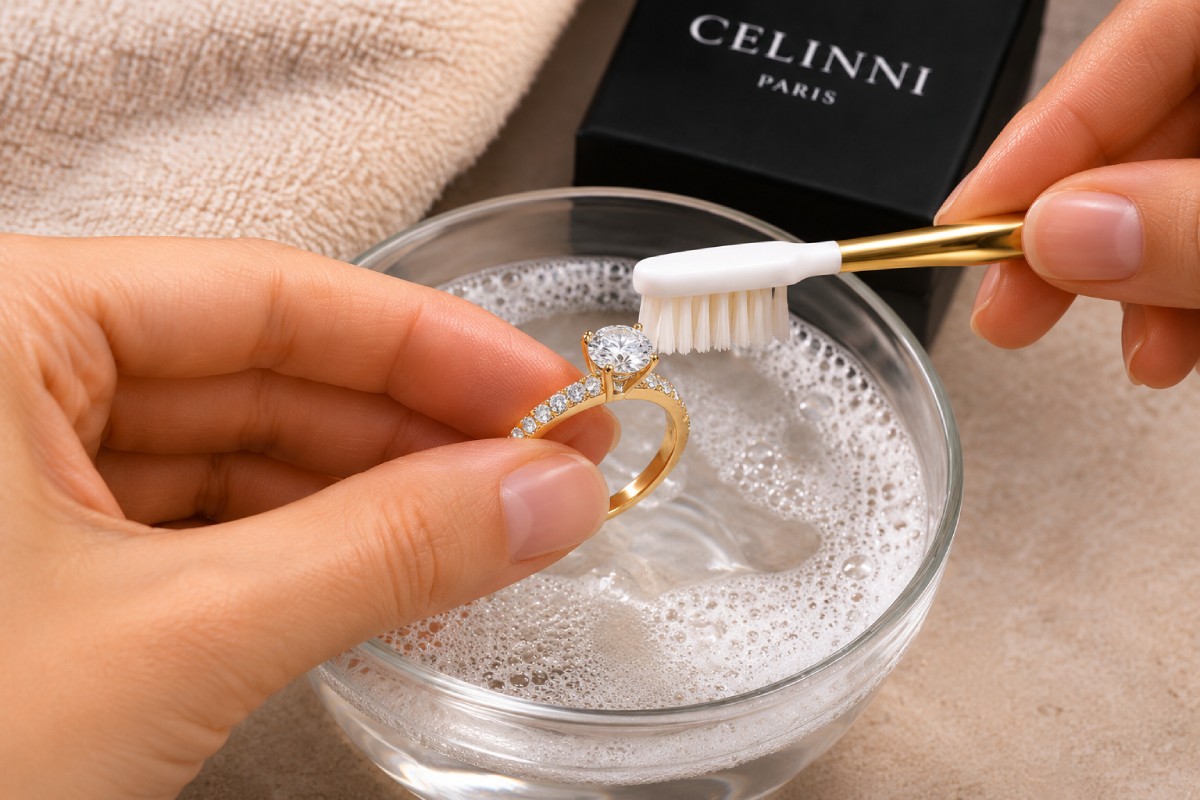
Cleaning a Celinni yellow gold and diamond ring using a soft-bristled brush and mild soapy water.

Regular cleaning helps restore the natural brilliance and sparkle of your diamond jewellery:

  1. Prepare a bowl of lukewarm water (not hot) with a few drops of mild soap.

  2. Leave your jewellery to soak for 15 to 20 minutes.

  3. Gently brush underneath the diamond using a soft-bristled toothbrush.

  4. Rinse with clean water, making sure the sink drain is closed.

  5. Dry your jewellery with a soft, lint-free cloth.

Avoid bleach, pure alcohol, abrasive cleaning products and ultrasonic cleaners for delicate coloured gemstones.

For more expert advice, read our comprehensive guide on how to store and care for your diamond jewellery.

Essential Habits to Protect Your Gold and Diamond Jewellery

Most jewellery damage results from an accumulation of small everyday mistakes rather than a single major accident. A few simple habits can help preserve the beauty of your precious jewellery.

  • Put your jewellery on last, after applying moisturiser, perfume and hairspray, and remove it first.

  • Store your jewellery separately in its original jewellery box or protective pouch to prevent scratches.

  • Choose a designated storage spot to avoid misplacing your precious pieces.

  • Have your diamond settings checked once a year to reduce the risk of losing a gemstone.

  • Remove your jewellery before exercising, gardening or carrying out DIY activities.

  • When travelling, carry a protective jewellery pouch and keep valuable pieces in the hotel safe.

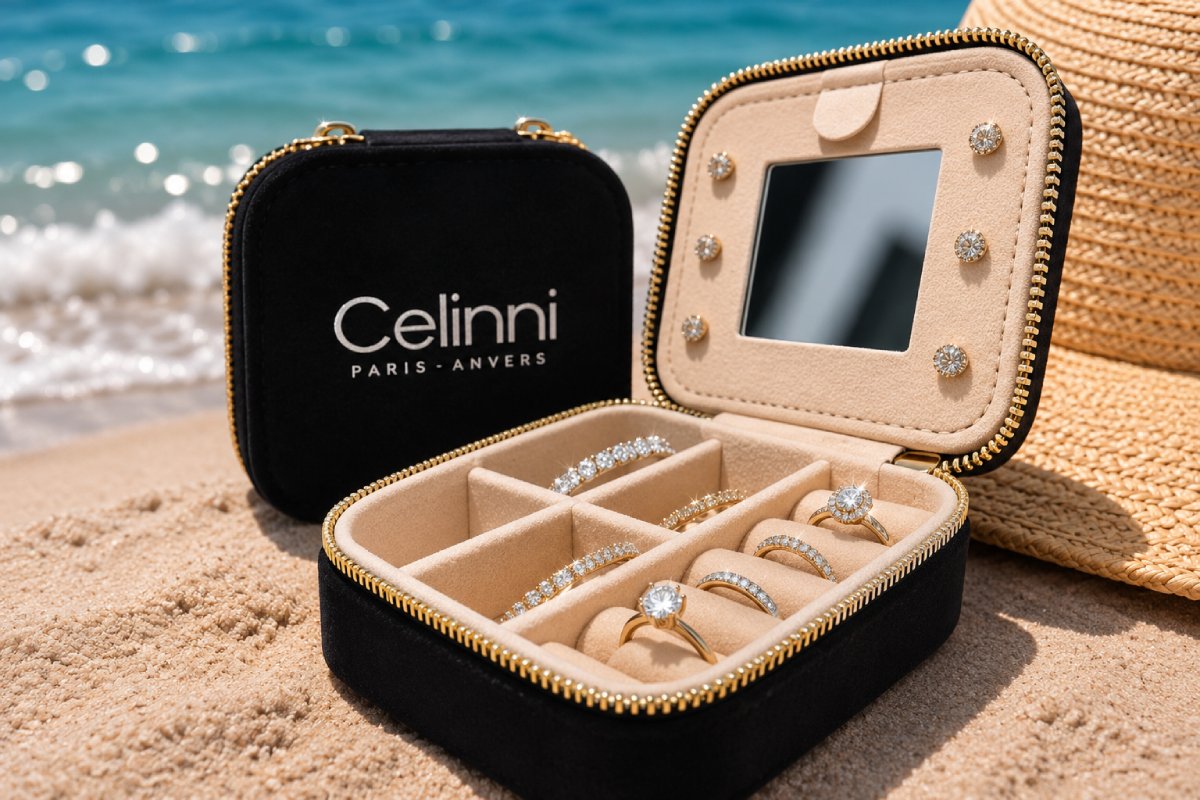
Celinni travel jewellery box containing diamond rings, bracelets and earrings by the seaside.

Professional Jewellery Cleaning and Maintenance

Professional jewellery cleaning, including ultrasonic cleaning when suitable for the diamond and its setting, combined with a setting inspection, can help identify worn prongs before they allow a gemstone to become loose.

At Celinni, our jewellery comes with a lifetime warranty and complimentary maintenance, subject to our terms and conditions. Meet our experts at one of our jewellery stores or contact us for personalised advice.

If you are looking for jewellery designed to accompany you throughout your everyday life, you can also choose a bespoke creation with a more protective setting. Discover our bespoke jewellery workshops.

FAQ: Wearing Gold and Diamond Jewellery in Water

Can you swim with a gold and diamond ring?

Swimming with a gold and diamond ring is not recommended. Although diamonds and 18k gold are not destroyed by water alone, chlorine, salt and impacts can damage the metal and setting. There is also a significant risk of losing your ring. It is best to remove it before swimming.

Does chlorine damage gold jewellery?

Yes, over time. Chlorine can tarnish gold alloys, weaken soldered joints and damage the rhodium plating on white gold jewellery. The effects accumulate with repeated exposure.

Can you wear gold jewellery in the ocean?

It is best to avoid wearing gold jewellery in the sea. Salt can dull its appearance, while sand can scratch the metal. Cold seawater can also cause your fingers to shrink, increasing the risk of your ring slipping off.

Can you shower with gold jewellery?

Occasional exposure to shower water is generally not a problem. However, soap and shampoo can leave an oily residue on diamonds, reducing their brilliance. Removing your jewellery before showering is recommended.

Can water damage a diamond?

No, diamonds are resistant to both fresh water and salt water. However, oily substances can reduce their sparkle, while impacts may damage the gemstone or loosen it from its setting.

Does 18k gold oxidise?

Pure gold does not oxidise under normal conditions. However, 18k gold may experience slight tarnishing when exposed to harsh substances such as chlorine, household cleaning products or perfume, due to the other metals contained in its alloy.

Is white gold jewellery water-resistant?

Fresh water generally does not pose a problem for white gold jewellery. However, chlorine and harsh chemicals can damage its rhodium plating, revealing a slightly yellowish tone underneath. Professional rhodium replating can restore its original appearance.

What should I do if my jewellery has been exposed to pool water?

Rinse it with fresh water, dry it gently and clean it using lukewarm water and mild soap. Check that the gemstone remains securely in place. If you have any concerns, have your jewellery inspected by a professional jeweller.

Can you wear gold jewellery while exercising?

It is not recommended. Impacts, perspiration and exposure to various products can damage jewellery. Remove your gold and diamond jewellery before exercising to protect it from unnecessary wear and tear.

How often should you clean diamond jewellery?

Ideally, diamond jewellery worn every day should be cleaned at home once a week. An annual professional inspection is also recommended to ensure the gemstone setting remains secure.

Conclusion

Gold and diamonds are materials designed to last a lifetime, but they are not indestructible. Swimming with your jewellery once will not necessarily ruin it, but chlorine, salt, oily substances and, above all, the risk of accidental loss justify one simple rule: remove your jewellery before entering the water.

This simple habit takes only a few seconds and can help preserve the beauty of your precious jewellery for a lifetime.

To find jewellery suited to your lifestyle, discover our collections of engagement rings and wedding rings, or seek personalised advice at one of our Celinni showrooms.

Share this content