









-15% with the code: AT29KU

What Are the Differences Between Gold and Silver Jewelry?

- Categories : Jewelry News Rss feed , Know your jewelry Rss feed
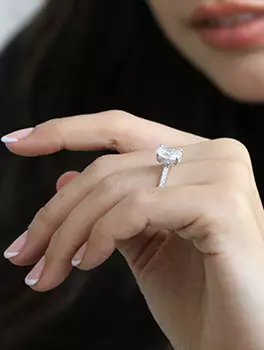
Many of our clients who are starting a collection of fine jewelry and sparkling gemstones ask us about the differences between gold and silver. Both gold jewelry and silver jewelry are excellent choices, but they have very different properties and aesthetics. These two precious metals are among the most timeless materials used in fine jewelry. Our workshops work exclusively with gold and platinum, but we believe it is important to explain the differences between gold and silver jewelry in detail to help you choose the metal that best suits your needs.

Gold Color vs Silver Color

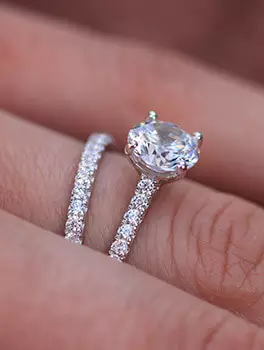
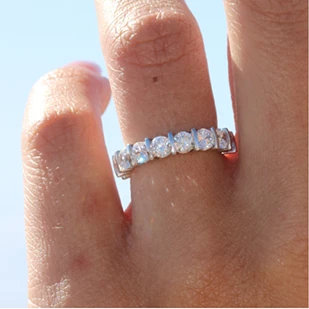
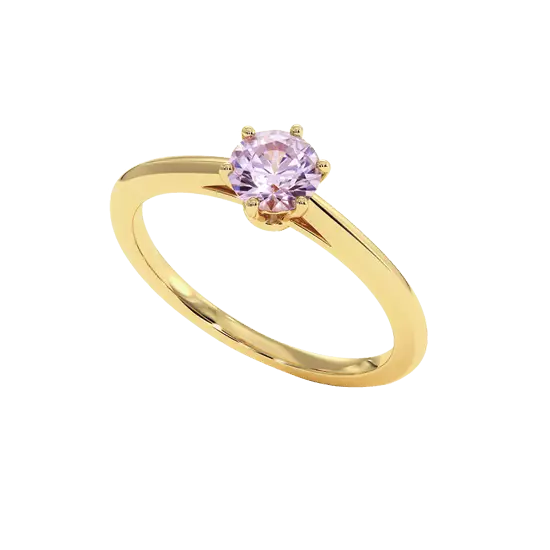
Gold jewelry is naturally yellow, while silver jewelry has a silvery-gray appearance, but these metals offer far more variety than their natural colors suggest. White gold and rose gold look very different from traditional yellow gold: white gold is alloyed with metals such as nickel, manganese or palladium to create its silvery-white appearance, while rose gold is alloyed with copper to achieve its distinctive warm pink hue. Sterling silver jewelry typically retains its bright silver color, although oxidized silver can develop a much darker gray finish.

Which Metal Color Should You Choose for Your Skin Tone?

Traditionally, the choice of jewelry metal was often based on skin undertones. Warmer skin tones tend to pair beautifully with golden metals, while cooler undertones are generally complemented by silver-toned metals.

People with blue veins visible at the wrist who tend to burn or redden easily in the sun are generally considered to have cool skin undertones, making silver or white gold particularly flattering choices. Those with greenish veins, olive or darker skin tones, and skin that tans easily are generally associated with warm undertones, for which yellow gold and rose gold are often especially flattering.

The Symbolism of Gold and Silver

Gold has traditionally been associated with the sun and its many symbolic meanings: radiance, fertility, wealth, power and perfection. The Lydian kings were among the first to use gold as currency. This precious metal was also widely used by ancient civilizations, particularly in Ancient Egypt, where it played an important role in religious ceremonies and funerary jewelry intended to accompany the deceased into the afterlife.

The word “silver” is associated with the Greek word argos, meaning “shining” or “bright.” In ancient times, silver was widely used to make mirrors because of its highly reflective properties. Silver traditionally represents femininity and the moon, in contrast with gold's solar symbolism. Its distinctive color, combining shades of gray and white, also explains its historical association with peace, harmony and purity. Silver has also traditionally been attributed soothing and calming properties.

Gold vs Silver: Price and Value

Gold jewelry is generally more expensive than silver jewelry. This difference is largely explained by gold's rarity and durability. Silver tends to tarnish over time and, depending on the alloy and its composition, may cause skin reactions in some particularly sensitive wearers. Gold, on the other hand, is highly resistant to oxidation, which is one of the reasons for its higher price.

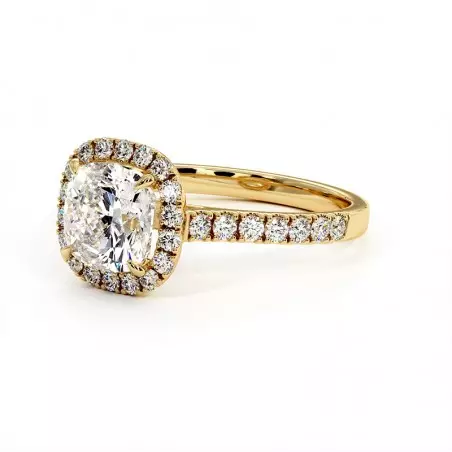
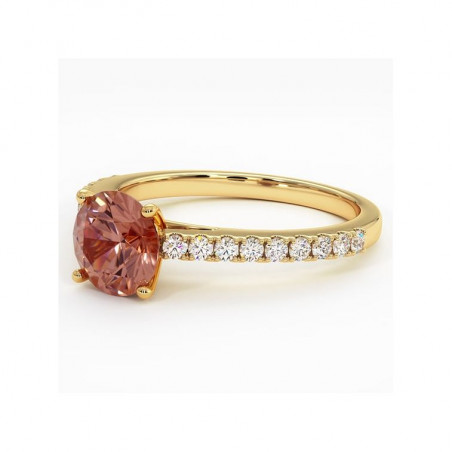
Gold also offers significant aesthetic advantages when setting precious stones. Setting a slightly yellow-tinted diamond in yellow gold can make the diamond appear whiter than it actually is—an optical effect well known among jewelers. White gold, by contrast, is particularly suited to exceptionally white and brilliant diamonds, enhancing their sparkle without introducing a contrasting color tone.

Gold vs Silver: Durability

Gold is more durable than silver: it is more resistant to scratching and does not tarnish over time. Silver, however, remains relatively durable. Sterling silver is made of 92.5% pure silver and 7.5% other metals, giving it enough strength for reasonable everyday wear, provided you are prepared to maintain it more regularly.

Why Does Silver Tarnish Faster Than Gold?

Silver tarnishes because of a natural chemical reaction between the metal and sulfur compounds present in the surrounding air, which creates a thin layer of silver sulfide on the surface of the jewelry. This tarnishing process can be accelerated by contact with perspiration, cosmetics or high levels of humidity.

Gold, by contrast, is a noble metal that reacts very little with oxygen or sulfur. This explains its remarkable stability over time, even when gold jewelry is worn every day for several decades.

Gold vs Silver: Care and Maintenance

Both sterling silver jewelry and gold jewelry should be cleaned regularly to maintain their original shine. Silver jewelry tarnishes over time and therefore needs regular polishing. A dedicated silver cleaner and a soft cloth can easily remove tarnish and restore its luster. Gold jewelry can simply be cleaned with warm, soapy water or polished with a jewelry cloth to bring back its original brilliance.

For silver jewelry worn every day, it is recommended to store each piece in an airtight container when it is not being worn. This limits exposure to air and helps slow down the tarnishing process. Gold jewelry is much less susceptible to oxidation and can therefore be stored more easily, without requiring specific precautions against tarnishing.

Gold and Silver Hallmarks

Always check the hallmarks and markings on your jewelry to confirm which metal it is made from. Sterling silver is generally stamped “925” or marked “sterling,” referring to its composition of 92.5% pure silver. Gold jewelry is marked according to its karat or gold purity. For example, 18K gold contains 75% pure gold, 14K gold contains approximately 58% pure gold, and 10K gold contains approximately 42% pure gold.

Depending on the country, these hallmarks may be applied by manufacturers or verified by independent assay or hallmarking authorities. They provide one of the most reliable ways to identify the authenticity and purity of gold or silver jewelry, far more reliably than simply judging a piece by its color or weight.

Gold or Silver: Which Metal Should You Choose?

For Everyday Jewelry

18K gold is one of the best choices for jewelry worn every day, thanks to its greater durability and the fact that it does not require maintenance to prevent tarnishing. It is also particularly suitable for diamond and gemstone jewelry, where the value of the stones makes investing in a more precious and long-lasting metal especially worthwhile.

For Fashion or Occasional Jewelry

Silver is an affordable and elegant choice for fashion jewelry, particularly for pieces that are replaced more frequently or worn only occasionally. Its bright appearance and more accessible price make it a popular option for experimenting with new jewelry styles without making a major investment, provided you are comfortable with the regular maintenance it requires.

For Heirloom Jewelry

Gold is generally preferred for heirloom jewelry intended to be passed down through generations, thanks to its long-term stability and intrinsic value, which tends to remain significant and may appreciate over time. Silver, by comparison, generally has a more modest intrinsic value and can experience greater fluctuations over the long term.

Gold and Silver: Two Precious Metals with Distinct Histories

Gold and silver have not always held the same place in human history, although both have been regarded as precious metals since ancient times. Gold has long been associated with political and religious power, from Egyptian funerary masks and royal crowns to offerings made to the gods in many civilizations. Its relative rarity and resistance to alteration quickly made it a symbol of eternity and high social status, most often reserved for society's elite.

Silver, although also precious, historically played a somewhat different role. More abundant than gold in the Earth's crust, it was more widely used for everyday currency, household objects and jewelry worn by the middle classes before gradually becoming a jewelry metal in its own right. This difference in historical status partly explains why gold remains the benchmark metal for fine and high jewelry today, while silver is more commonly associated with accessible and casual jewelry.

Can You Mix Gold and Silver Jewelry?

Once discouraged by the strict conventions of traditional elegance, mixing gold and silver jewelry—or combining yellow gold with white gold—is now widely accepted and even embraced in contemporary jewelry. This combination works particularly well when it looks intentional rather than accidental. Wearing several pieces in each metal tone, rather than introducing a single contrasting piece, creates a more cohesive and deliberate look.

Many contemporary jewelry designs also combine yellow gold and white gold within the same piece, offering an elegant balance between warm and cool tones without requiring you to choose exclusively between one or the other.

Metal Allergies: Gold vs Silver

Allergic reactions to jewelry are most commonly associated with nickel, a metal that may be present in small quantities in some lower-quality white gold or silver alloys. High-quality 18K gold, such as that used by demanding fine jewelry houses, contains carefully controlled alloying metals, which helps significantly reduce this risk.

High-quality sterling silver also rarely causes problems, but inexpensive silver alloys sometimes used in low-cost fashion jewelry may contain traces of nickel or other metals that can irritate sensitive skin. For people with particularly reactive skin, certified 18K gold jewelry is generally a more reliable choice than silver alloys of uncertain composition.

Gold or Silver: A Preference That Can Change Over Time

It is not uncommon for someone's preference for gold or silver jewelry to evolve over the years depending on their budget, personal style or even changes in skin tone caused by seasonal tanning. Many of our clients begin building their jewelry collection with more affordable silver pieces before gradually investing in gold jewelry as their budget and expectations regarding durability evolve.

This natural progression helps explain why many fine jewelry houses, including Celinni, deliberately focus on gold and platinum jewelry. These precious metals appeal to clients looking for pieces designed to last for decades rather than jewelry intended to be replaced frequently.

Why Celinni Works Exclusively with Gold and Platinum

At Celinni, our workshops create jewelry exclusively in 18K gold or platinum, never silver. This choice reflects our positioning as a high-end diamond specialist: gold and platinum provide the strength, durability and precious character required to set certified natural diamonds in jewelry designed to retain its beauty and brilliance for decades.

This commitment to quality has been at the heart of Celinni's expertise since 1967.

Why Choose Celinni for Your Gold Jewelry?

Ultimately, gold offers more advantages than silver in terms of durability, aesthetics and long-term value. Silver nevertheless remains an attractive metal and is particularly well suited to more accessible or fashion-oriented jewelry rather than high jewelry.

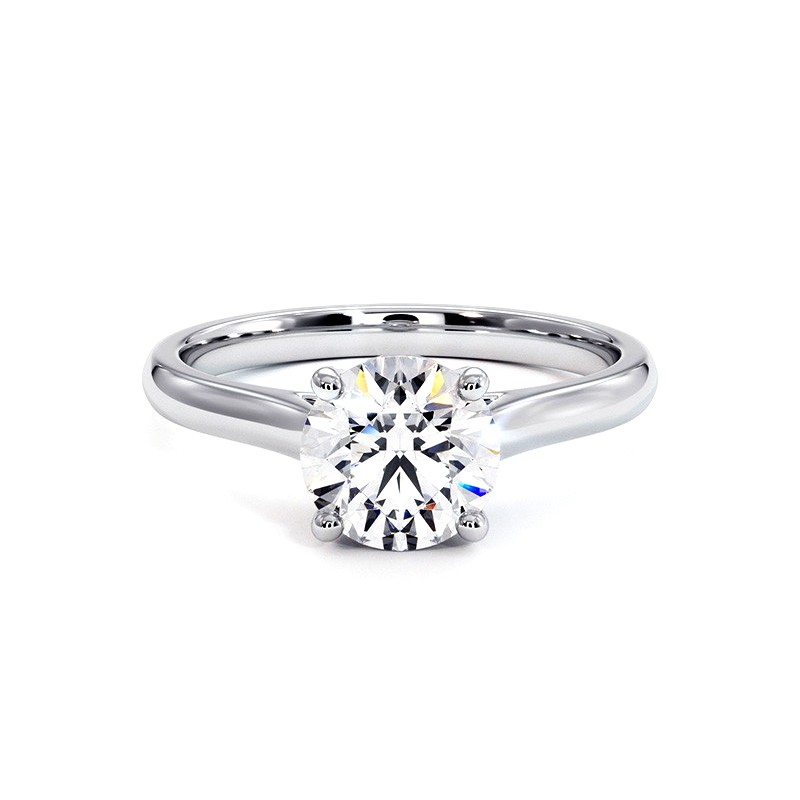
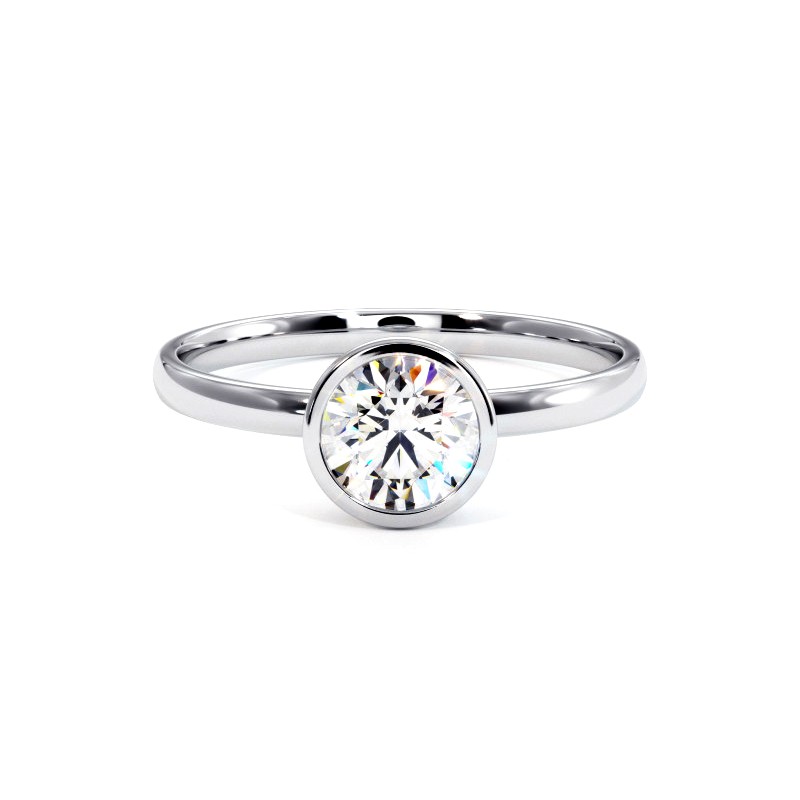
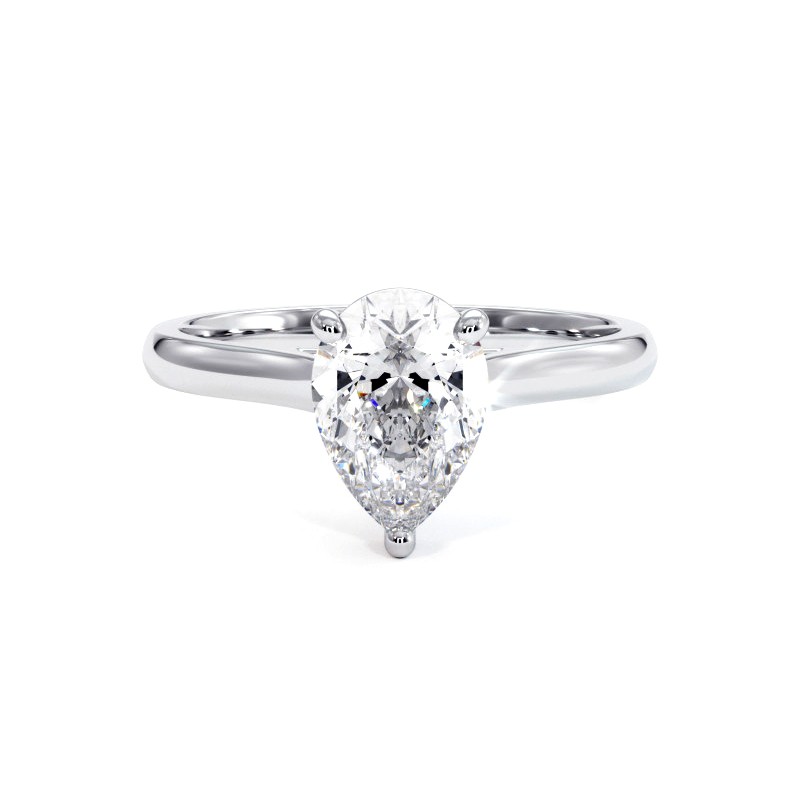
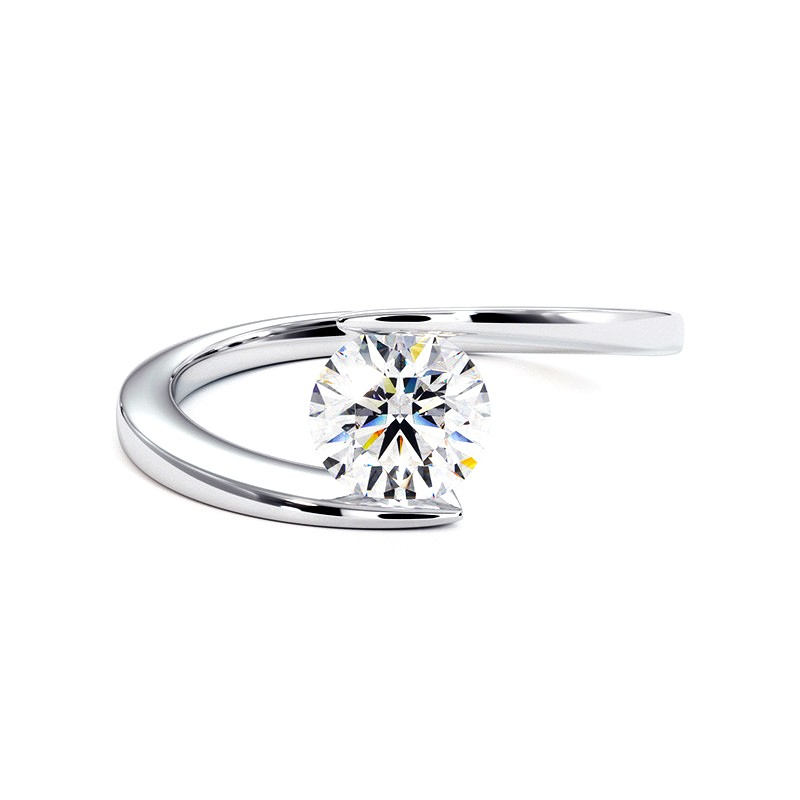
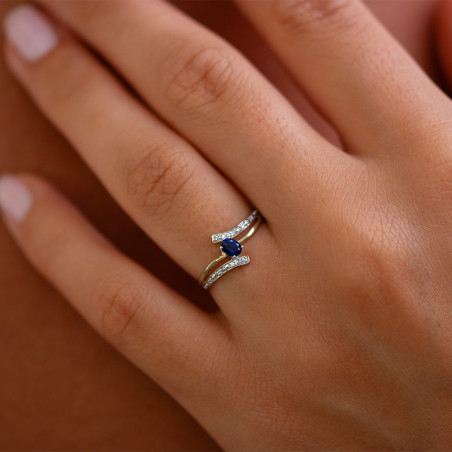
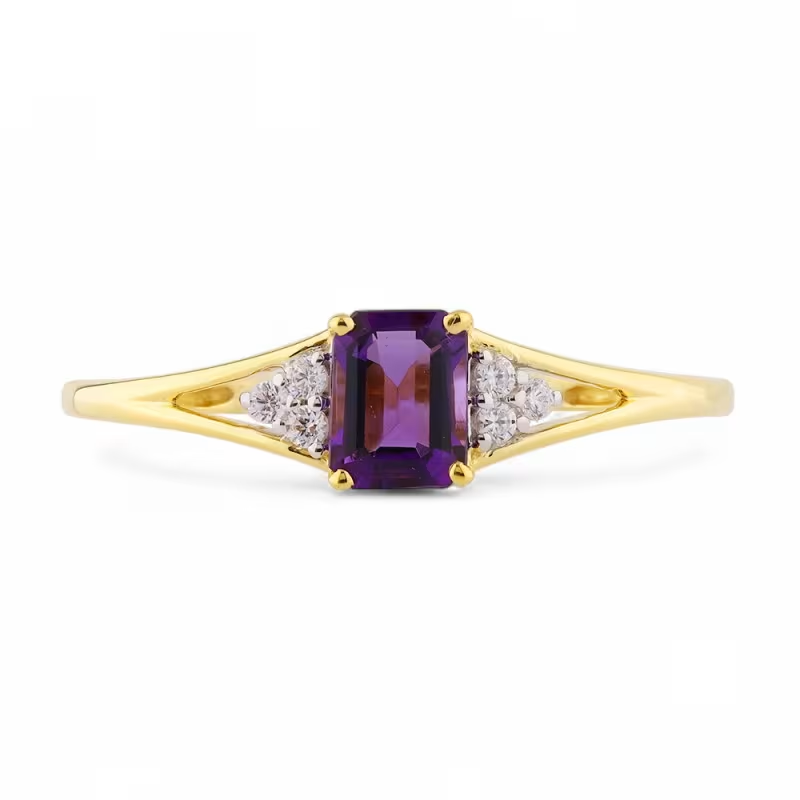
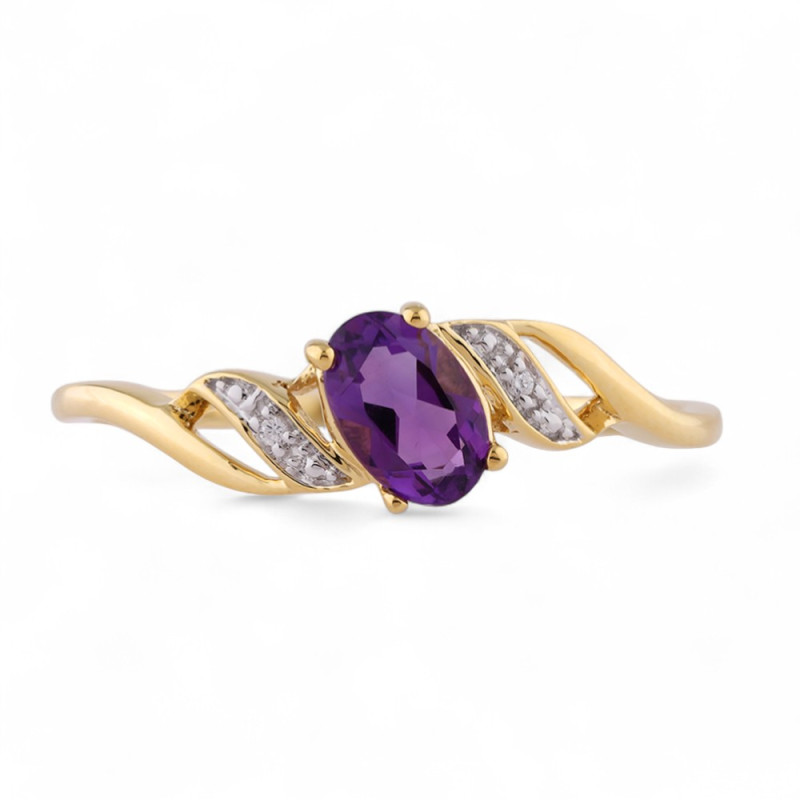
A diamond specialist since 1967, Maison Celinni exclusively selects recycled 18K gold and certified natural diamonds, crafted in our Parisian workshops. Discover our selection of gold rings, or book an appointment at one of our showrooms for personalized advice on choosing the right precious metal for your jewelry.

FAQ — Gold and Silver Jewelry

Why is gold jewelry more expensive than silver jewelry?
Gold is rarer, more durable and resistant to oxidation, unlike silver, which tarnishes over time. These properties largely explain the higher price of gold jewelry.

Which jewelry metal should you choose for your skin tone?
Cool skin tones (blue veins and skin that tends to redden or burn in the sun) generally pair well with silver or white gold, while warm skin tones (green veins and skin that tans easily) are often complemented by yellow gold or rose gold.

How can you identify sterling silver jewelry?
Look for the “925” hallmark or the word “sterling,” which indicates that the jewelry contains 92.5% pure silver.

Why does silver tarnish while gold does not?
Silver chemically reacts with sulfur compounds present in the air, forming a layer of silver sulfide on its surface. Gold, by contrast, is a noble metal that reacts very little with oxygen or sulfur.

Which metal is best for diamond jewelry?
18K gold and platinum are among the best choices for diamond jewelry because of their durability, strength and ability to preserve their quality over generations.

How should you clean tarnished silver jewelry?
A dedicated silver cleaner and a soft cloth can easily remove tarnish. It is also recommended to store silver jewelry in an airtight container when it is not being worn to reduce exposure to air and slow down tarnishing.

Why doesn't Celinni make silver jewelry?
Maison Celinni, a high-end diamond specialist since 1967, works exclusively with 18K gold and platinum, two precious metals that provide the durability, strength and refinement required for jewelry set with certified natural diamonds and designed to last for generations.

Share this content