Diamond Ring: 12 Tips for Choosing the Right One
,
Know your jewelry
Ever since you met the right person, you have been thinking about it: you know they are the person you want to spend the rest of your life with, and you are ready to take the next step. The marriage proposal has to be perfect — on a beach, at a restaurant, first thing in the morning... There are countless ways to propose, just as there are countless ways to choose an engagement ring. Both sentimental and unique, this piece of jewellery deserves to be chosen with care.
It is easy to feel overwhelmed by all the questions: which diamond shape should you choose, which metal is best, and what budget should you set? To guide you through this important decision, Celinni shares 12 expert tips to help you choose the diamond ring of a lifetime.
Tip #1: Understand the 4Cs of a Diamond
The 4Cs are the internationally recognised characteristics used to evaluate a diamond. Developed by the GIA, this grading system makes it possible to compare diamonds objectively, while recognising that every stone is unique. When choosing a diamond engagement ring, understanding the 4Cs is therefore one of the most important steps.
The 4Cs are:
Color
Clarity
Carat
Cut
Here is a quick overview of what each characteristic means:
Color is graded on a scale from D to Z. D represents a completely colourless diamond, while diamonds become progressively more yellow as the scale approaches Z. For white diamonds, the goal is generally to choose a stone that appears as colourless as possible.
Clarity refers to the presence or absence of inclusions and blemishes within a diamond. Inclusions are internal characteristics that form naturally as the diamond crystallises. They are not necessarily flaws, but their size, number and position can affect the diamond's appearance and should therefore be considered when making your choice.
Carat is the unit used to measure a diamond's weight. Generally, as carat weight increases, so does the diamond's price, although its other quality characteristics also play an important role.
Cut refers to how well a diamond has been cut and polished, including its proportions, symmetry and ability to reflect light. It plays a major role in the diamond's brilliance and sparkle. Diamond shape, meanwhile, refers to its outline, such as round brilliant, marquise, emerald or pear. Fun fact: the round brilliant diamond is renowned for producing exceptional brilliance and remains the benchmark shape for maximum sparkle.
Once you understand these criteria, ask yourself which matters most to you: color, carat weight, clarity or cut quality? Understanding the 4Cs is essential, as they form a universal language in the world of diamonds and gemology. Knowing what each criterion means will help you compare stones more effectively and choose your diamond ring with confidence.
To explore each of these characteristics in greater detail, read our complete guide to diamonds and the 4Cs →.
Tip #2: Understand the Difference Between Diamond Shape, Cutting Style and Cut Quality
Understanding the difference between these three concepts is just as important as knowing the main characteristics of a diamond. Here is how they differ:
Diamond shape describes the outline of the stone when viewed face-up. The best-known shape is the round diamond, but there are many so-called “fancy shapes”, including pear-shaped diamonds, emerald-cut diamonds with their rectangular outline, and many others. Shape is distinct from cut quality and plays an important role when choosing a diamond.
Cutting style refers to the way a diamond's facets are arranged. The most common arrangement for round diamonds is the standard brilliant-cut style, which features a specific pattern of 57 or 58 facets. Emerald and radiant diamonds can both have square or rectangular outlines, but their facet arrangements are very different. An emerald cut uses long, step-like facets and cropped corners, while a radiant cut combines a square or rectangular outline with a brilliant-style facet pattern, typically featuring 57 or 58 facets.
Cut quality refers to how effectively a diamond's facets interact with light. Two diamonds with the same shape and cutting style can differ in table size, girdle thickness, polish and symmetry. These variations directly affect the diamond's visible appearance, brilliance and overall cut quality.
Tip #3: Which Metal Should You Choose for a Diamond Ring?
The choice of precious metal has a major impact on the overall appearance of a diamond ring. Among the most popular metals for engagement rings in recent years are white gold and platinum, both of which create an elegant, modern look.
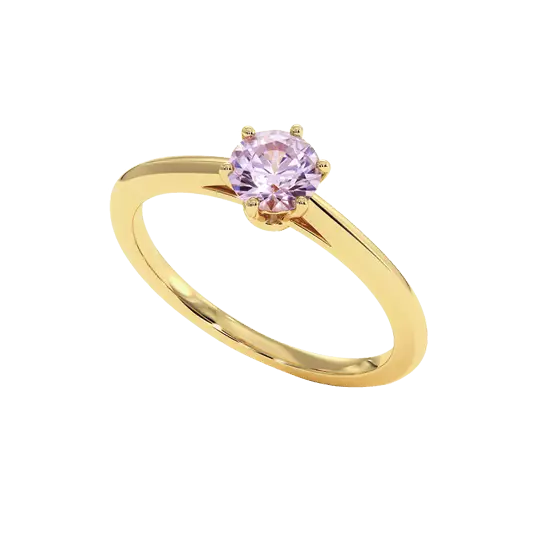
These two metals are also excellent choices for diamonds in the colourless to near-colourless range (D to J), as their white tone enhances the diamond's colourless appearance. Yellow-gold prongs, by contrast, can reflect warmer tones into the stone and make it appear slightly more yellow. If you prefer the warmth of yellow gold, white-metal prongs are often incorporated into yellow-gold engagement rings to create contrast and preserve the diamond's bright appearance.
Rose gold enjoyed particular popularity during the Retro era (1935–1950) and remains an attractive choice for engagement rings thanks to its warm, soft appearance. Fun fact: if you are looking for a vintage-inspired or Retro-style engagement ring, rose gold is an excellent choice.
What Should You Know About These Precious Metals?
Platinum is an elegant grey-white precious metal renowned for its resistance to corrosion and exceptional durability. As pure platinum is relatively soft, it is generally alloyed with metals such as ruthenium, cobalt or iridium. Jewellery marked “950 Platinum” contains 95% platinum and 5% other metals. Fun fact: platinum is generally more expensive than gold, partly because platinum jewellery contains a high proportion of pure precious metal. It is also highly durable and naturally hypoallergenic.
Gold has been used in jewellery and diamond rings for thousands of years and is prized for its colour, rarity and lustre. Because pure gold is soft, it is usually alloyed with other metals. The term “karat” indicates its purity on a scale of 24 parts. 18K gold contains 75% pure gold — 18 parts gold and 6 parts other metals — while 14K gold contains 14 parts gold and 10 parts other metals.
Rose gold is generally an alloy of gold, copper and silver. Often more durable than yellow gold, its warm pink hue is known for complementing a wide variety of skin tones.
White gold is created by alloying pure gold with white metals such as palladium or silver, making it an elegant and durable choice for a diamond engagement ring. It is generally rhodium-plated to enhance its bright white finish and provide additional surface protection. This plating gradually wears away and may therefore require periodic replating.
Sterling silver is widely used in jewellery but is much less common for engagement rings. It is a relatively soft metal and must be alloyed for greater strength. Sterling silver consists of 92.5% silver and 7.5% other metals, commonly copper. It is less durable than gold or platinum for everyday engagement-ring wear and also tends to tarnish over time.
Tip #4: Which Setting Should You Choose for a Diamond Ring?
On an engagement ring, the diamond is secured by a setting that serves two essential purposes: showcasing the beauty and brilliance of the stone while helping to protect it from damage. Here are three of the most popular diamond settings:
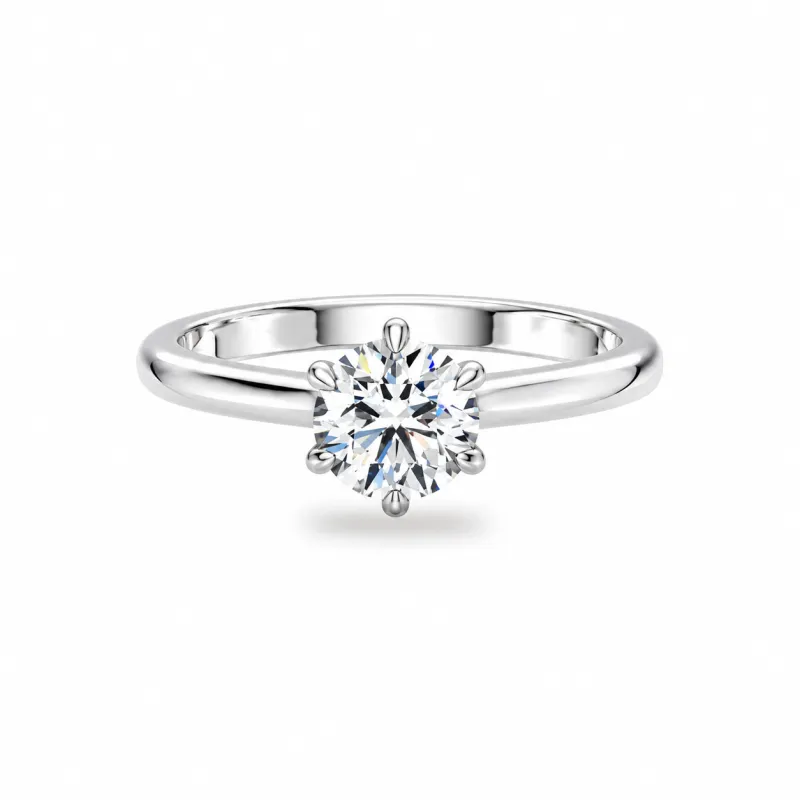
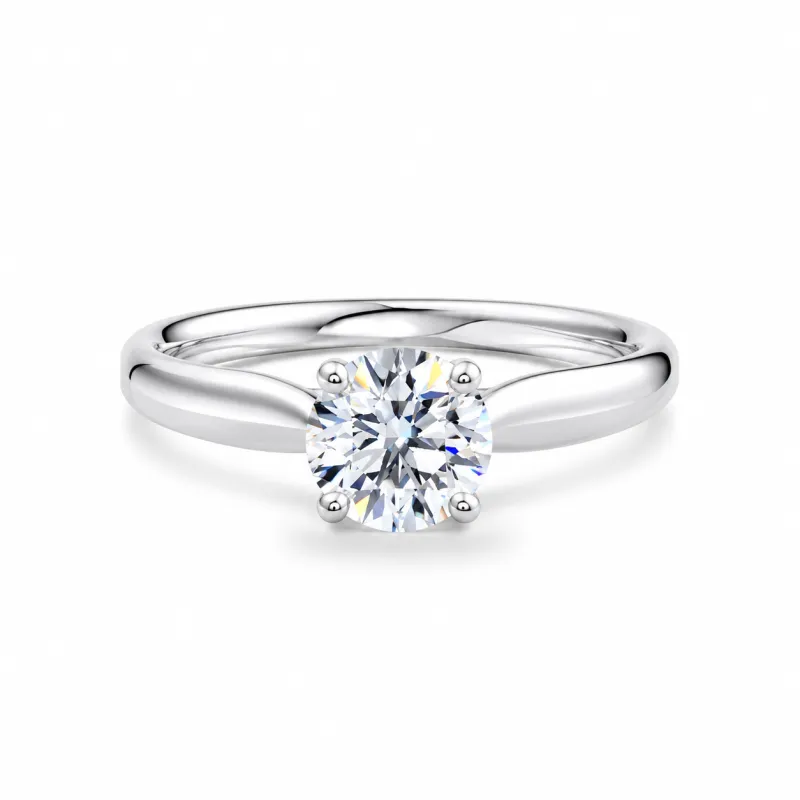
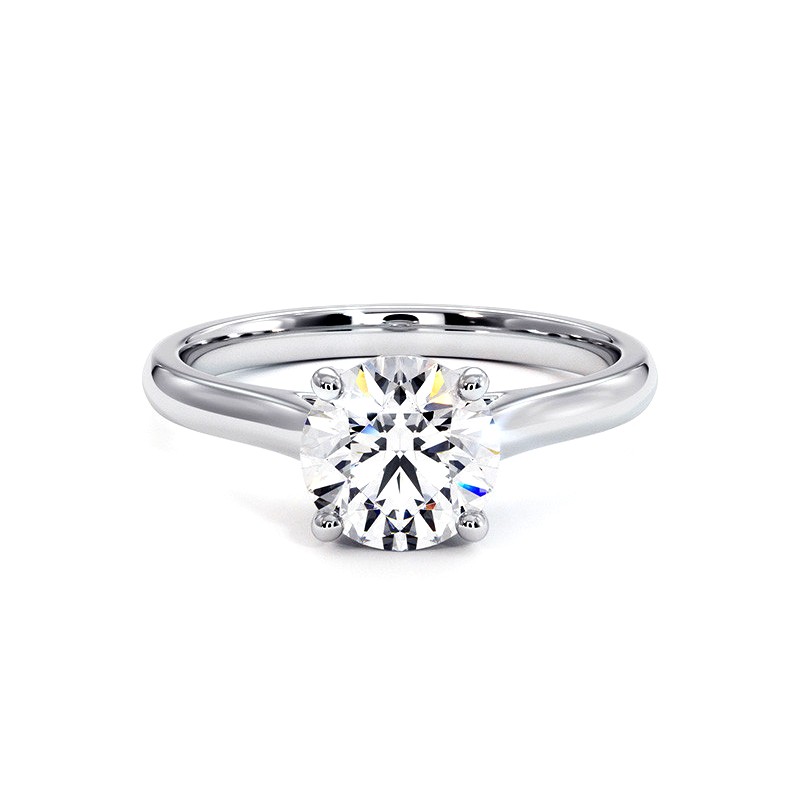
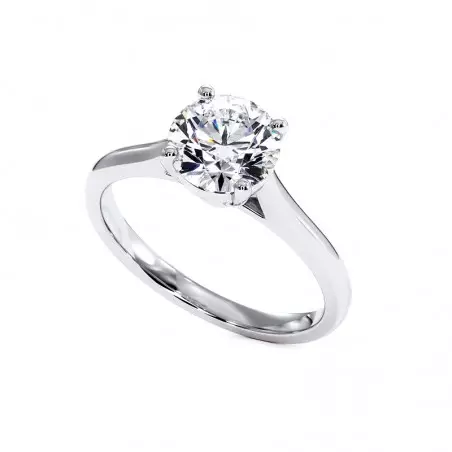
Prong setting: the diamond is held securely by four to six slender metal prongs. Fun fact: when prongs are used to secure a single centre stone, the ring is commonly referred to as a solitaire engagement ring. There are many variations, including the cathedral setting, where arches of metal rise from the band towards the centre stone, creating an elegant profile while providing additional support.
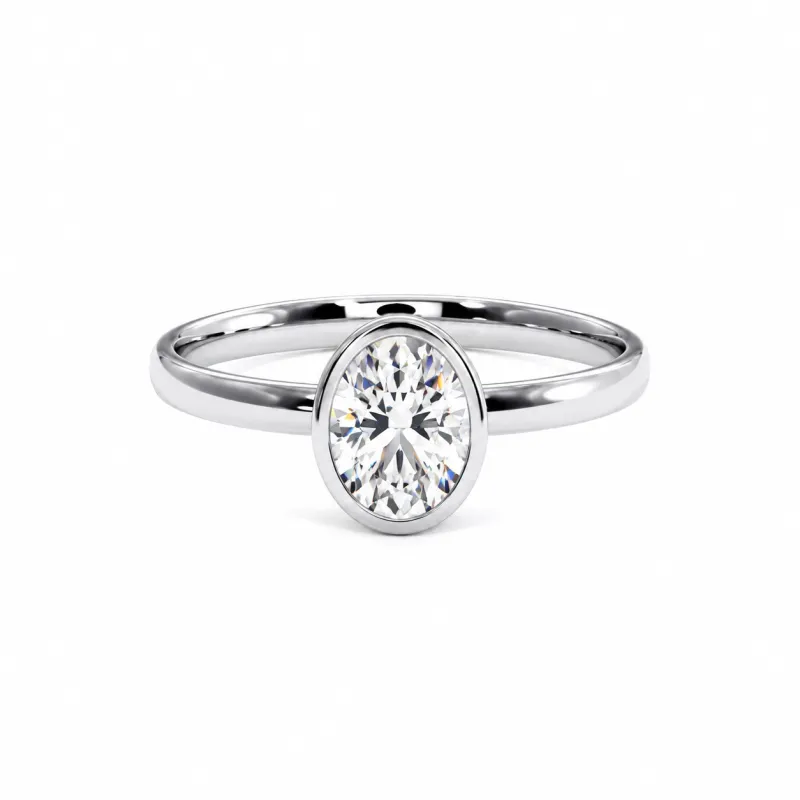
Bezel setting: a thin rim of metal surrounds all or part of the gemstone and holds it securely in place. This type of setting provides excellent protection for the centre stone and is particularly suitable for an active lifestyle.
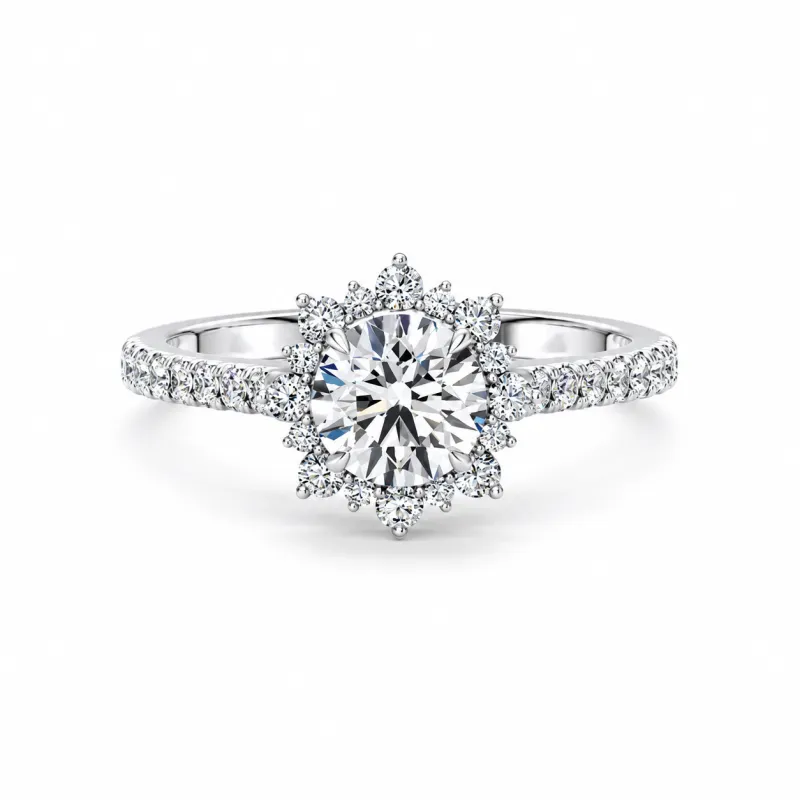
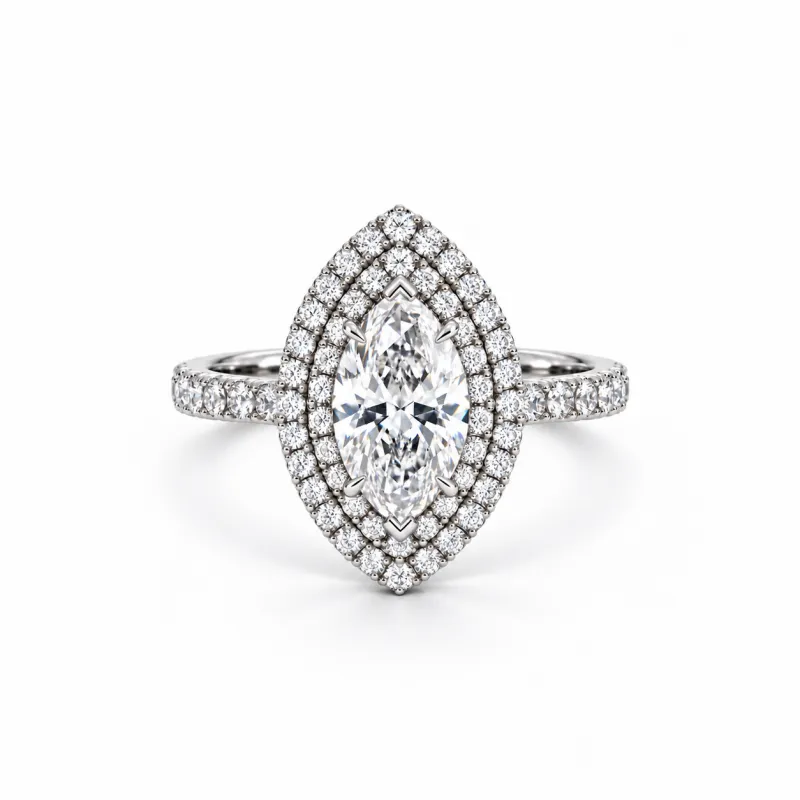
Halo setting: smaller diamonds surround the centre stone, adding extra brilliance and visual impact to the engagement ring. A diamond halo can also create the impression of a larger centre diamond.
Tip #5: Why Choose Side Stones?
Side stones are a beautiful way to enhance a diamond ring and move beyond the classic solitaire. They add elegance, dimension and extra sparkle, creating a more sophisticated look. Some of the most popular options include channel-set or pavé diamonds along the band, baguette diamonds positioned on either side of the centre stone, and coloured gemstones arranged in a variety of settings.
If you choose diamond side stones to complement the centre stone, look for diamonds with a similar color, clarity and overall appearance — particularly when pairing round brilliant diamonds. This will create a balanced, harmonious look across the entire engagement ring.
Tip #6: View the Diamond Under Different Lighting Conditions
This is an important step, as an engagement ring is a piece of jewellery that may be worn every day for a lifetime. Viewing the diamond under different types of lighting allows you to see how its brilliance and sparkle change depending on the environment. Daylight, candlelight, fluorescent lighting and spotlights can all make the same diamond look noticeably different.
Why? Because a diamond's facets act like tiny mirrors, reflecting the light and surroundings around them. As the diamond moves, light travels between its facets, producing flashes of white light and colour. When choosing a diamond ring, it is therefore worth examining the stone under several different lighting conditions:
An environment without strong spotlights
Diffused lighting, such as fluorescent light reflected from a white ceiling
Mixed lighting that combines spot and diffused light
Natural daylight, whether in direct sunlight or beneath the dappled shade of a tree, where changing light can reveal different aspects of the diamond's sparkle
Remember that your partner will be wearing the ring, not you. Think about the environments in which they are most likely to wear it and choose a diamond that looks beautiful under those everyday lighting conditions.
Tip #7: How Can You Maximise Sparkle and Apparent Size?
For diamonds with similar color and clarity grades, cut quality plays a major role in determining how brilliantly the stone reflects light. One simple way to ensure that a round brilliant diamond truly sparkles is to choose a GIA cut grade of Excellent or Very Good.
As a general rule, adding more diamonds to an engagement ring can create greater overall sparkle, which is one reason why designs featuring diamond side stones or a pavé-set band are so popular.
If you want your diamond ring to appear visually larger, there are two setting techniques worth considering:
Illusion setting: the diamond is set within a shaped or patterned white-metal surround designed to blend visually with the stone, creating the impression of a larger diamond.
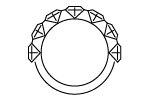
Cluster setting: several smaller diamonds of a similar size are positioned closely together. This maximises sparkle while creating the visual impression of a larger diamond or centrepiece.
Tip #8: Choose a Ring That Matches Your Partner's Style, Not Yours
A diamond engagement ring may be worn every day for a lifetime, so above all, it should reflect the tastes and personality of the person who will wear it. When choosing the ring, your partner's preferences should therefore come before your own.
Fortunately, there are several discreet ways to discover what they like without asking directly and potentially spoiling the surprise:
Observe the jewellery your partner wears most often, paying particular attention to their preferred styles and precious metals.
Ask their best friend: they may already know exactly what your partner's dream engagement ring looks like.
Go jewellery shopping together and pay close attention to the designs, diamond shapes and metals that immediately catch their eye.
Here are a few ideas based on your partner's personal style:
Classic style: someone who appreciates refined, timeless elegance may prefer a rectangular diamond shape or a round brilliant diamond.
Romantic style: a heart-shaped diamond can make a particularly symbolic and romantic choice.
Modern style: ask your diamond expert about contemporary engagement ring designs and current trends that suit your partner's taste.
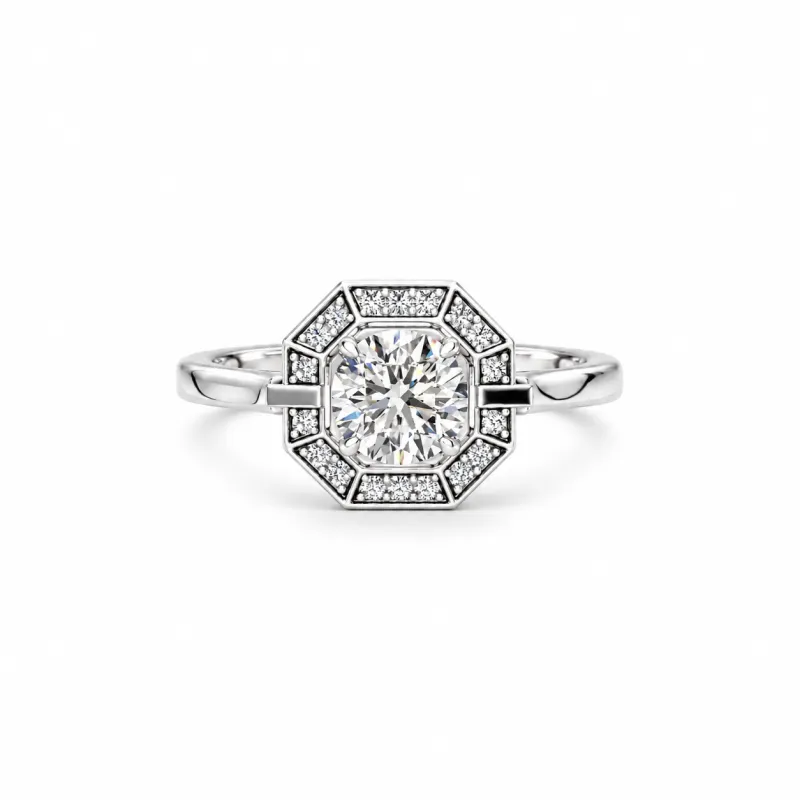
Artistic or creative style: an Art Deco or Art Nouveau-inspired engagement ring may be an excellent match for someone drawn to distinctive and original designs.
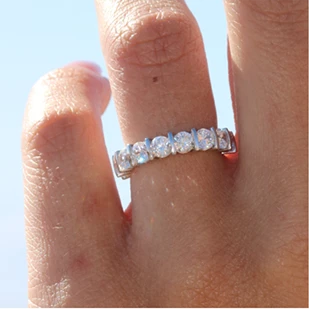
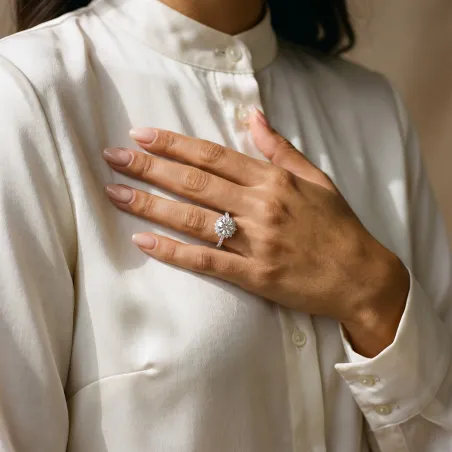
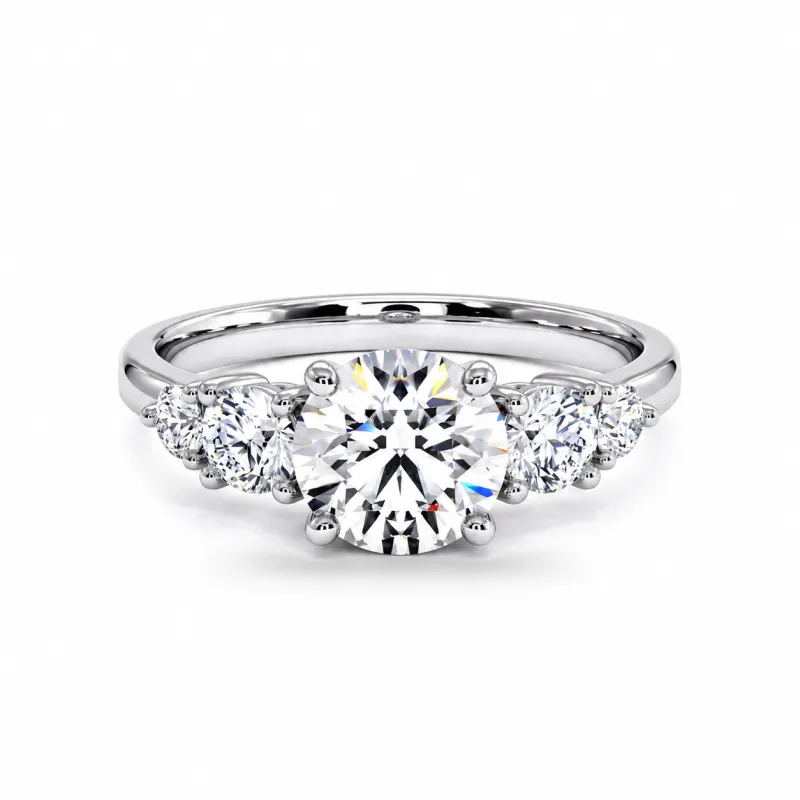
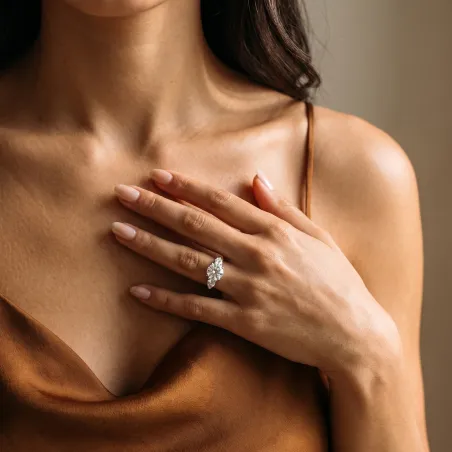
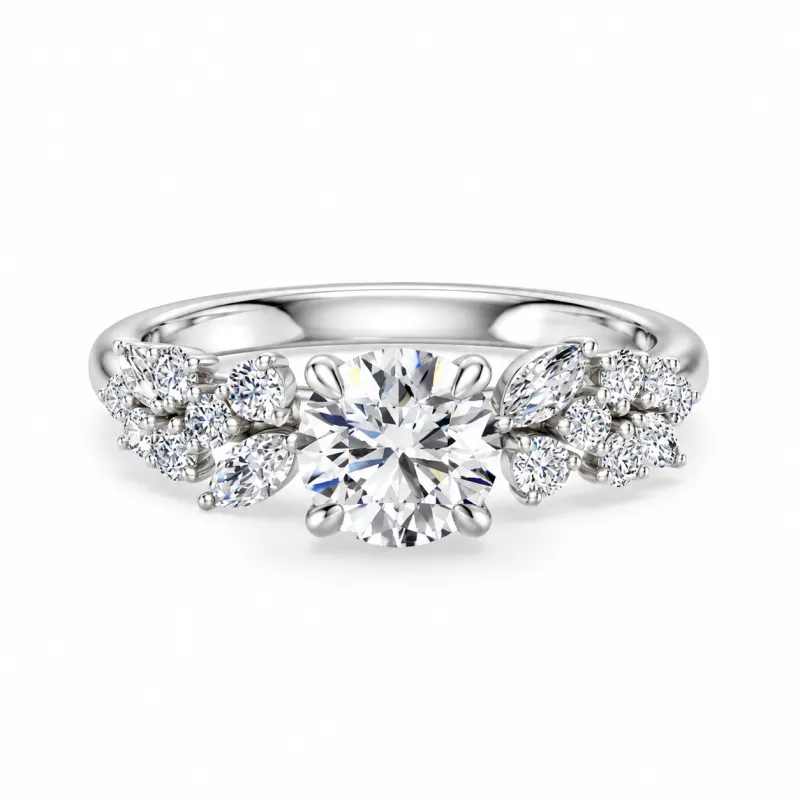
Round Diamond Engagement Ring Constellation Five Stones
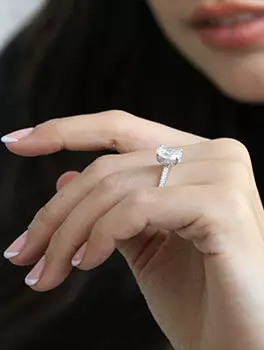
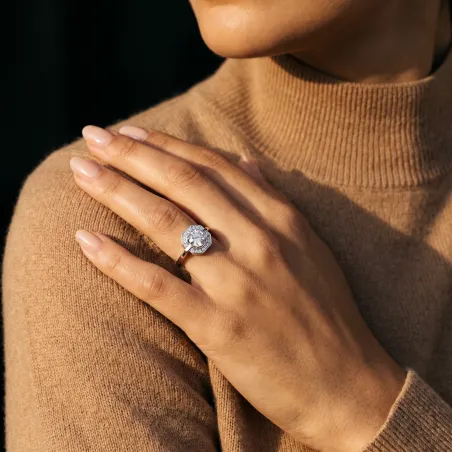
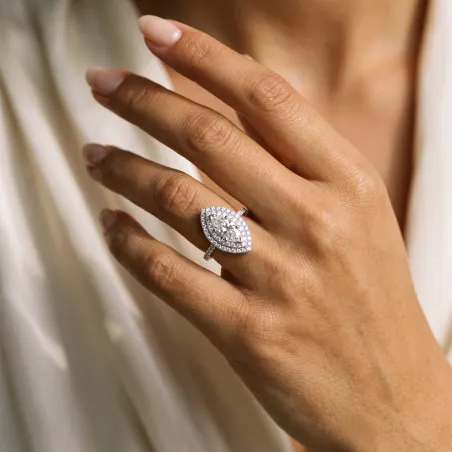
Oval Diamond Engagement Ring Constellation Marquises
Tip #9: Do You Know Their Ring Size?
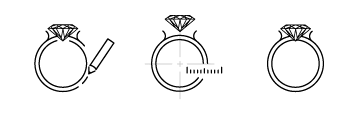
Imagine finding the perfect engagement ring, only to discover that it does not fit. Fortunately, there are a few discreet ways to estimate your partner's ring size without giving away the surprise:
Borrow a ring they already wear on the correct finger when they are not around and trace the inside of the ring onto a piece of paper. You can also gently press the ring into a soft bar of soap to create an impression of its circumference.
Slide one of their rings onto one of your own fingers and mark the point where it naturally stops.
A jeweller or diamond expert can use these measurements to help estimate the appropriate ring size. And if the fit is not quite perfect, there is no need to worry: after the proposal, you can bring the ring back to Celinni to have it professionally resized.
Discover how to measure ring size accurately →
Tip #10: How Much Should You Spend on a Diamond Engagement Ring?
The answer is entirely personal: spend an amount that feels appropriate and comfortable for you. The idea that you should spend two or three months' salary on a diamond engagement ring became popular through marketing campaigns in the 20th century, but there is no universal rule that determines how much an engagement ring should cost.
A much more useful approach is to understand the 4Cs of a diamond, compare different stones and settings, and choose a diamond engagement ring that genuinely fits your budget.
Ultimately, the amount you spend matters less than what the ring represents. A thoughtfully chosen engagement ring that reflects your partner's personality, style and preferences can be far more meaningful than simply choosing a ring based on its price.
Tip #11: Choose a Certified Diamond
Choosing a certified diamond is essential, as it provides detailed information about the stone you are buying, including its inclusions, 4Cs and whether it is a natural diamond. This information is recorded in a diamond grading report issued by an independent gemological laboratory.
With this document, you can make a more informed decision and verify the characteristics of your diamond. The grading report can also indicate whether the stone has undergone treatments intended to artificially enhance its color or clarity.
Tip #12: Why Choose a Celinni Diamond Ring?
We know that choosing a diamond engagement ring is an important decision. At Celinni, you can explore a wide selection of engagement rings designed to suit different tastes and styles. You can also create a bespoke engagement ring and receive expert guidance throughout every stage of the process.
David Sussman, founder of Celinni, comes from six generations of diamond dealers and works alongside experienced diamond and jewellery experts. As a member of the Antwerp Rough Diamond Exchange, Celinni has direct access to the diamond market, helping us offer diamonds at fair prices while reducing the number of intermediaries.
With a selection of more than 150,000 diamonds, Celinni offers an extensive choice to help you find the right stone for your engagement ring. Our diamonds are:
Either certified by independent gemological laboratories such as GIA, HRD and IGI, internationally recognised institutions for diamond grading and expertise
Or accompanied by an independent Celinni appraisal report, with Celinni authorised to provide expert valuation reports recognised by insurance companies
By choosing Celinni, you benefit from expert guidance throughout your search for the right diamond and engagement ring. Visit us and discover our collections in person.
Where Can You Buy a Celinni Diamond Ring?
Paris – 9 rue Buffault, 75009 Paris
Nice – 28 Promenade des Anglais, 06000 Nice
Lille – 40 place du Théâtre, 59800 Lille
Lyon – 37 rue de la République, 69002 Lyon
Bordeaux – Quai des Chartrons, Hangar 15, 33000 Bordeaux
Frequently Asked Questions About Choosing a Diamond Ring
What are the 4Cs of a diamond, and which one is the most important?
The 4Cs are color, clarity, carat weight and cut. There is no single criterion that is universally “the most important”, as the right balance depends on your personal priorities. However, cut quality has the most direct influence on a diamond's visible brilliance and sparkle.
Which metal should you choose for a diamond engagement ring?
White gold and platinum remain two of the most popular choices because their white tones enhance the colourless appearance of a diamond. Yellow gold can complement diamonds with slightly warmer tones, while rose gold creates a warmer, more vintage-inspired look.
How can I find out my partner's ring size without them knowing?
Discreetly borrow a ring they already wear on the correct finger and have it measured by a jeweller, or trace its inner circumference onto a piece of paper. If the size is not quite right, the engagement ring can usually be resized after the proposal.
Do you really need to spend several months' salary on an engagement ring?
No. The idea that an engagement ring should cost several months' salary is an outdated marketing convention rather than a rule. A better approach is to establish a realistic budget, understand the 4Cs and compare different diamonds and settings to find a ring that suits both your preferences and your budget.
Why choose a certified diamond rather than a non-certified diamond?
A diamond grading report from an independent laboratory such as GIA, HRD or IGI provides objective information about the stone's characteristics, including its color, clarity, carat weight and cut where applicable. It can also disclose certain treatments used to alter a diamond's color or clarity, helping you make a more informed purchase.
Which setting provides the best protection for the centre diamond?
A bezel setting, which surrounds all or most of the diamond with a rim of metal, provides excellent protection for the centre stone. Prong settings remain extremely popular, however, because they expose more of the diamond and can allow more light to interact with the stone.
Can a diamond ring be resized after purchase?
Yes. At Celinni, your diamond engagement ring can be resized after the proposal if it does not perfectly match your partner's ring size. The feasibility and extent of resizing may depend on the ring's design and setting.
Related Articles
- Diamond Pendant: How to Choose the Perfect Style and Gift It
- What Is the Difference Between a Necklace, Chain, and Pendant?
- The 10 Benefits of Platinum Jewelry
- How to Measure Your Ring Size at Home
- Diamond Solitaire Ring: The Complete Buying Guide
- The 4Cs of Diamonds: Everything You Need to Know Before Buying
- GIA-Certified Diamonds: Why Certification Matters


.png)


.avif)