-15% with the code: AT29KU

Everything You Need to Know About the Henna Ritual in the Middle East

- Categories : Jewelry News Rss feed
Bride’s hands decorated with traditional henna during a Middle Eastern wedding, featuring symbolic patterns and silver jewelry representing protection and union.

An ancestral ritual passed down from generation to generation, traditional henna holds a central place in wedding celebrations throughout the Middle East. Far more than a decorative art, it represents a powerful rite of passage, symbolizing protection, blessing, and positive energy, where every gesture is infused with meaning and emotion.

Applied to the hands—and sometimes the feet—of the bride-to-be, henna becomes a symbolic language, honoring the union to come while wishing prosperity, happiness, and harmony to the couple. Each motif carries a message of fertility, love, and spiritual protection, deeply rooted in cultural heritage.

During a henna wedding ceremony, this intimate and deeply cultural celebration brings together the women of the family around the bride in a warm atmosphere filled with songs, fragrances, colors, and traditions. It is also a privileged moment where adornment takes on its full significance: gold jewelry, precious stones, and traditional ornaments worn that evening enhance the ritual and extend its symbolic meaning.

What Is the Henna Ritual?

The henna ritual is a pre-wedding ceremony celebrated before marriage, mainly in Middle Eastern, North African, and Asian cultures. It involves applying a natural paste made from henna leaves to the skin, creating delicate, temporary patterns rich in symbolism.

In the context of a wedding henna, this ritual goes far beyond aesthetics. Henna for marriage is прежде всего a symbol of protection and good fortune. According to traditional beliefs, it wards off the evil eye, attracts prosperity, and prepares the bride-to-be for her new life. The depth and intensity of the color left on the skin are often interpreted as signs of marital happiness and lasting love.

The meaning of henna is also rooted in sharing and transmission. The women of the family actively take part in the ceremony, passing down knowledge, advice, and blessings. This moment marks a gentle transition from young womanhood to married life, within an intimate setting deeply respectful of tradition.

The Origins and History of Henna in the Middle East

The origins of henna date back several millennia. Used since Antiquity in Egypt, Persia, and the Arabian Peninsula, henna was valued both for its decorative qualities and for its protective and purifying properties. Traces of its use appear in ancient frescoes, where it already symbolized beauty, celebration, and the sacred.

Over the centuries, the ritual became firmly rooted in wedding henna traditions, evolving from one region to another while preserving its strong symbolic meaning. Traditional henna thus became a true cultural heritage, passed down from mother to daughter, with each family adding its own gestures, motifs, and beliefs.

In some regions, distinctive styles emerged, such as henna fassi, known for its refined geometric patterns and elegant aesthetic. This diversity reflects the cultural richness of the Middle East, where henna remains today a living symbol of femininity, protection, and union.

How Does a Henna Ceremony Take Place?

The henna ceremony is a unique moment within wedding celebrations. It usually takes place a few days before the wedding, in an intimate setting bringing together the bride-to-be, her family, and close relatives. Unlike the wedding day itself, which is often more formal, the henna ceremony is experienced as a warm, feminine interlude filled with gentleness and connection.

The evening begins with welcoming guests in a soft, immersive atmosphere, accompanied by traditional songs, the scent of incense, and richly decorated fabrics. The bride-to-be sits at the center of the ceremony, often dressed in a special henna outfit. The application of traditional henna forms the heart of the ritual: an experienced woman carefully draws symbolic, delicate, and precise patterns on the hands—and sometimes the feet.

Every gesture carries meaning. The motifs applied during a wedding henna evoke protection, fertility, and the couple’s prosperity. Around the bride, the women share advice, wishes, and blessings, reinforcing the collective and transmitted nature of the ritual. Henna thus becomes a silent language, celebrating the union to come and preparing the bride for her new life.

The Symbolism of Henna: Protection, Luck, and Prosperity

For centuries, henna has been recognized for its powerful symbolic meaning. In Middle Eastern cultures, the meaning of henna goes far beyond its decorative aspect: it is considered a true talisman. Applied to the skin, it is believed to protect the bride-to-be from negative energies and the evil eye, while attracting luck and happiness.

Wedding henna also symbolizes prosperity and abundance. The color left on the skin—more or less intense—is often interpreted as a favorable omen for married life. The deeper and richer the shade, the more it is associated with strong, lasting, and harmonious love.

Finally, henna embodies fertility and renewal. It marks a transition, a passage into a new stage of life. This symbolism explains why the henna wedding ritual remains essential even today, including in modern ceremonies, where tradition continues to dialogue with contemporary expressions.

Outfits and Jewelry Worn During the Henna Ritual

During the henna ritual, the bride’s outfit holds special importance. Often different from the wedding dress, it stands out through noble fabrics, delicate embroidery, and rich, meaningful colors. Green—symbolizing fertility and renewal—as well as gold and red, associated with prosperity and joy, are especially favored for a wedding henna.

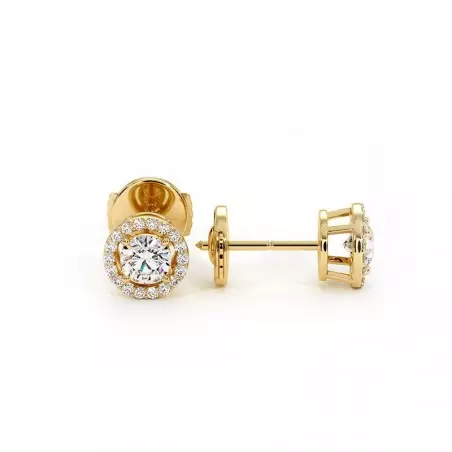
Jewelry plays a central role in this ceremony. Worn in abundance, it enhances every gesture and highlights the henna-adorned hands. Gold, particularly yellow gold, is favored for its solar and protective symbolism. Bracelets, bangles, necklaces, and earrings form a complete adornment, often passed down through generations, reinforcing the idea of heritage and continuity.

In a more contemporary approach, some brides opt for refined designs with clean lines, blending tradition and modernity. Jewelry then becomes a natural extension of the ritual— a precious echo of the symbolism of henna—capable of accompanying the bride long after the ceremony, as a tangible and lasting memory of this foundational moment.

The Henna Ritual Across Middle Eastern Countries

Although the henna ritual is shared by many cultures, it takes on unique forms across Middle Eastern countries, each adding its own codes, gestures, and aesthetic. This diversity highlights the richness of wedding henna traditions, while preserving a shared symbolism centered on protection and union.

In Lebanon, the henna ceremony is often elegant and intimate. The applied motifs are fine and refined, sometimes inspired by floral designs, and the celebration is accompanied by traditional songs and music. Jewelry remains delicate, with a preference for gold and finely crafted pieces.

In Egypt, the henna wedding is marked by a joyful and festive atmosphere. The ceremony may be punctuated by dances and popular songs, while the henna patterns are more generous and expressive. Wearing jewelry in abundance is common, symbolizing prosperity and abundance for the couple.

In the Gulf countries, henna takes on a particularly lavish dimension. Outfits are sumptuous, gold adornments are abundant, and the ritual may unfold over several days. Henna then becomes a true spectacle, where tradition, rich materials, and ceremonial staging come together.

Henna Today: Between Tradition and Modernity

Today, the henna ritual continues to evolve, adapting to contemporary sensibilities while preserving its essence. Many brides choose to reinterpret traditional henna by opting for more minimalist designs or more intimate ceremonies, without abandoning the ritual’s deep symbolism.

Modern influences are also reflected in the choice of outfits and jewelry. Clean lines, bespoke creations, and subtle combinations of tradition and modernity allow for a highly personalized celebration. Henna thus becomes an individual expression, a moment that reflects the bride’s personality while honoring cultural heritage.

This ability to evolve explains why henna for marriage remains a living ritual, capable of crossing generations without losing its meaning.

Why Henna Remains a Powerful Moment in Oriental Weddings

Henna remains an essential part of the oriental wedding because it represents far more than a simple tradition. It embodies a pause in time—an intimate moment before the excitement of the wedding day—where the bride reconnects with her roots, her family, and her personal history.

It is a deeply human ritual, rooted in sharing, transmission, and kindness. Through the meaning of henna, universal values are expressed: protection, love, prosperity, and continuity. Even within modern weddings, this ceremony retains its full emotional and symbolic strength.

FAQ – The Henna Ritual in the Middle East

When does the henna ceremony take place during a wedding?

The henna ceremony usually takes place a few days before the wedding, sometimes the day before. It marks a symbolic step ahead of the wedding day and allows the bride-to-be to prepare herself spiritually and emotionally for her union.

What is the meaning of henna in an oriental wedding?

The meaning of henna is rooted in protection, luck, and prosperity. It is considered a talisman meant to ward off the evil eye, attract marital happiness, and bless the new union.

Is the henna ritual mandatory in an oriental wedding?

No, the henna ritual is not mandatory, but it remains deeply anchored in tradition. Today, many brides choose to adapt it or celebrate it in a more intimate way, while preserving its essential symbolism.

What jewelry should be worn during a henna ceremony?

During a wedding henna, gold jewelry is traditionally favored—especially yellow gold for its solar and protective symbolism. Bracelets, bangles, necklaces, and earrings are often worn as a complete adornment to enhance the henna-decorated hands.

Is traditional henna still practiced today?

Yes, traditional henna is still widely practiced, but it continues to evolve. More minimalist patterns, modernized ceremonies, and contemporary jewelry allow the tradition to be preserved while adapting it to today’s sensibilities.

Conclusion

The henna ritual is one of the most precious moments of an oriental wedding. As an ancestral heritage, it brings together tradition and emotion in an intimate and deeply symbolic celebration. Through its gestures, patterns, and adornments, henna tells a story—that of transition, commitment, and a future to be built together.

Even today, wedding henna continues to captivate thanks to its ability to transcend time, reinvent itself, and yet never lose its soul. It remains a foundational moment, where the beauty of ritual and the richness of symbolism accompany the bride toward a new chapter of her life.

Share this content