






×

SHOPPING FROM

-15% on all our collections
-30% on a selection of diamond jewelry

How to Purify an Amethyst and Why? Tips and Traditions

- Categories : Gemmology News Rss feed , Gemstone News Rss feed

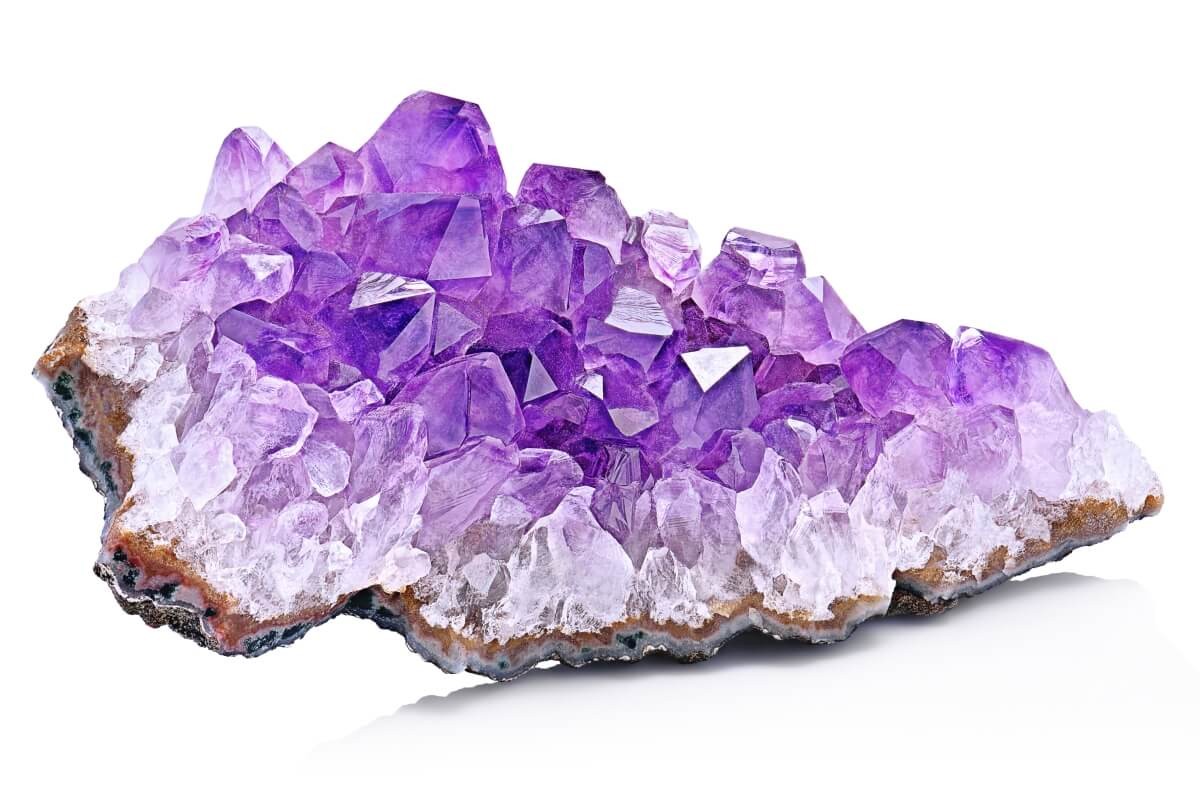
Amethyst is one of the most cherished natural gemstones in fine jewelry, instantly recognizable by its deep purple hue and distinctive brilliance. Used since Antiquity, the amethyst stone has endured through centuries, valued both for its beauty and for the symbolic meaning traditionally associated with it.

Across many cultures, amethyst is linked to ideas of serenity, mental clarity, and inner balance. These amethyst properties are rooted primarily in ancient beliefs and long-standing traditions rather than scientific principles.

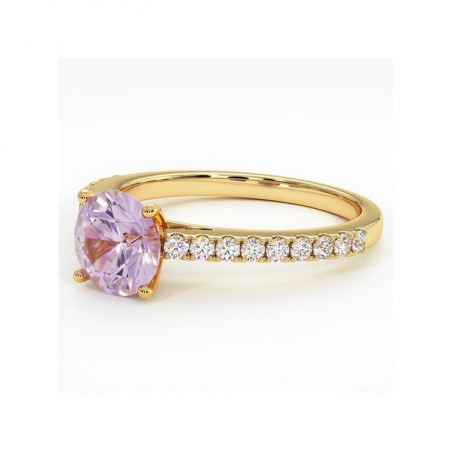
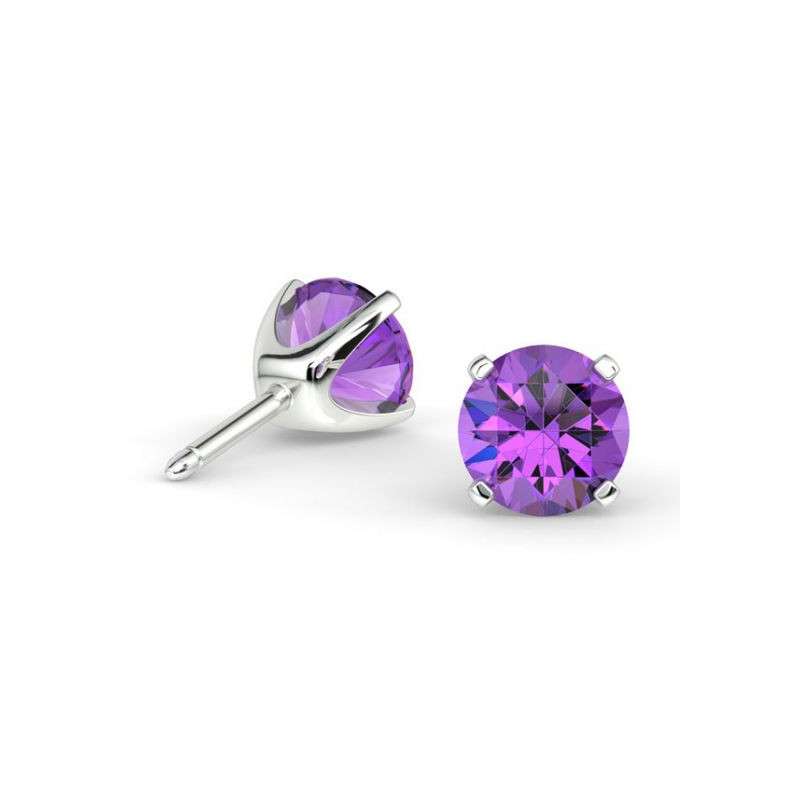
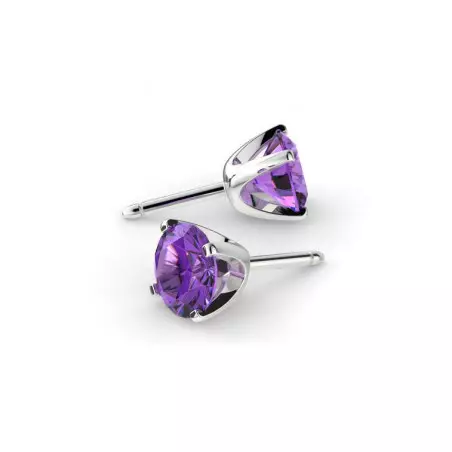
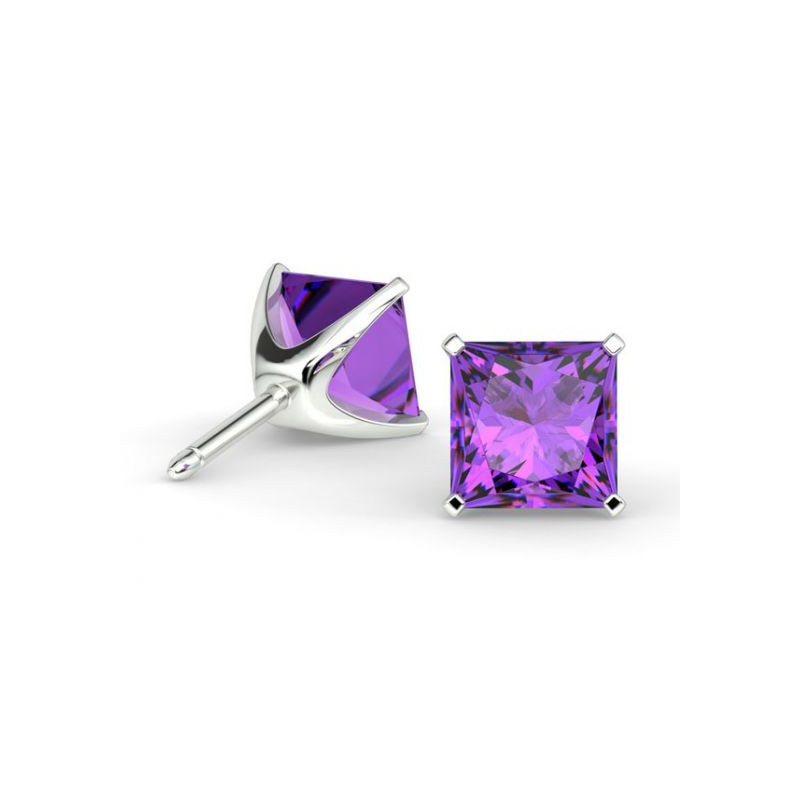
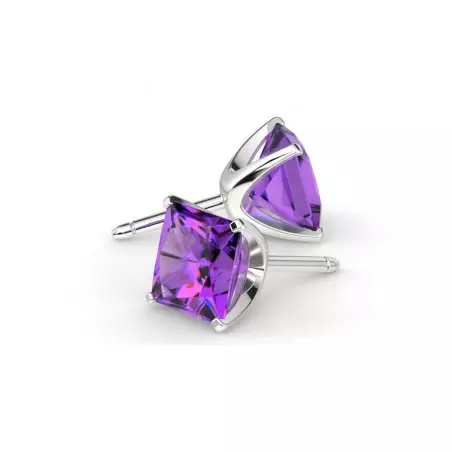
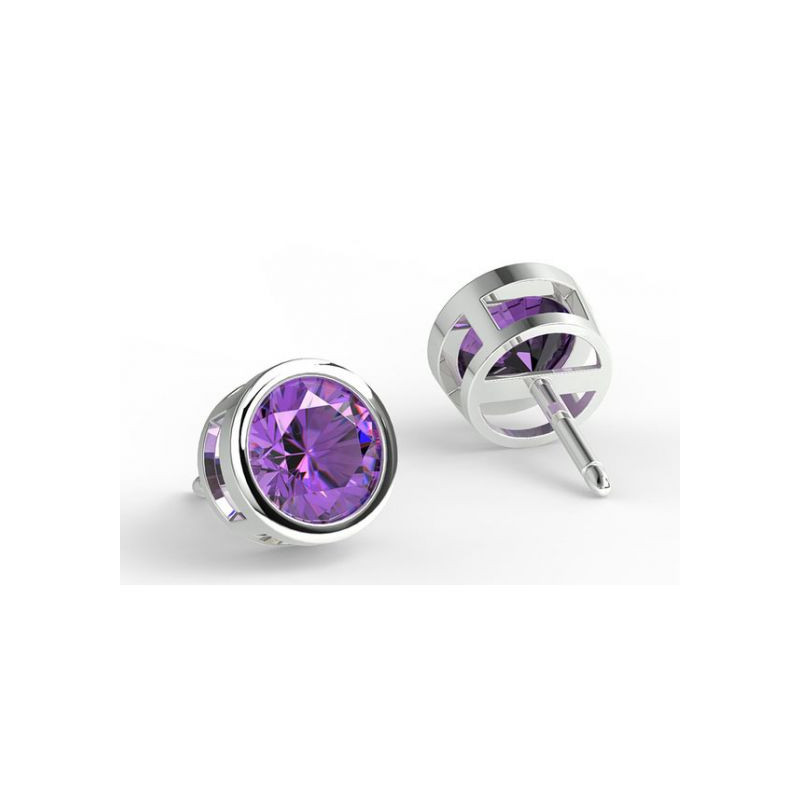
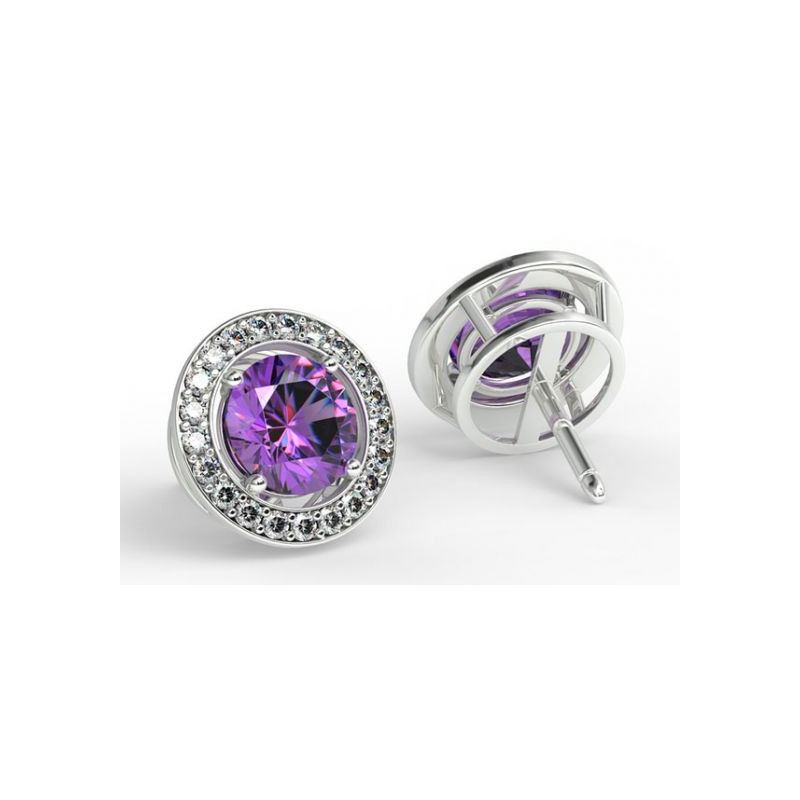
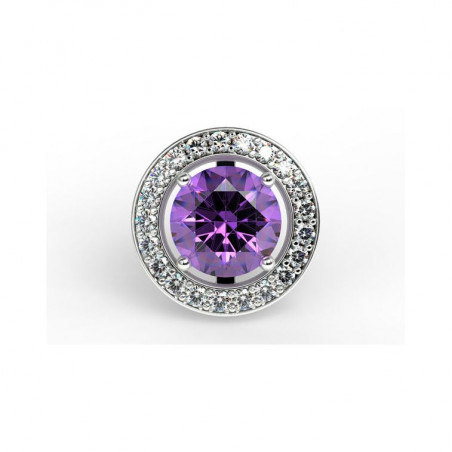
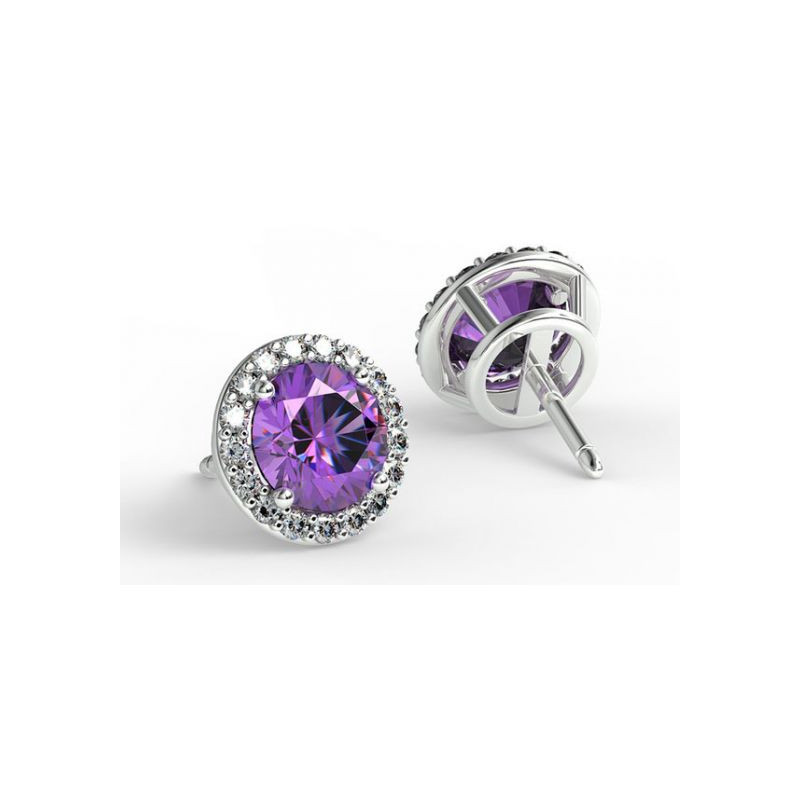
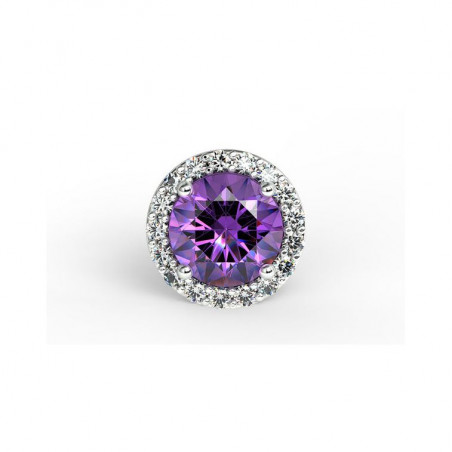
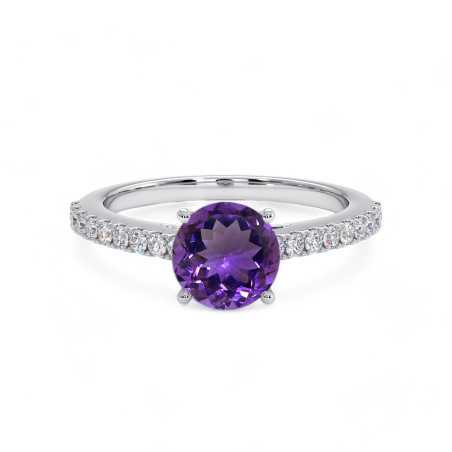
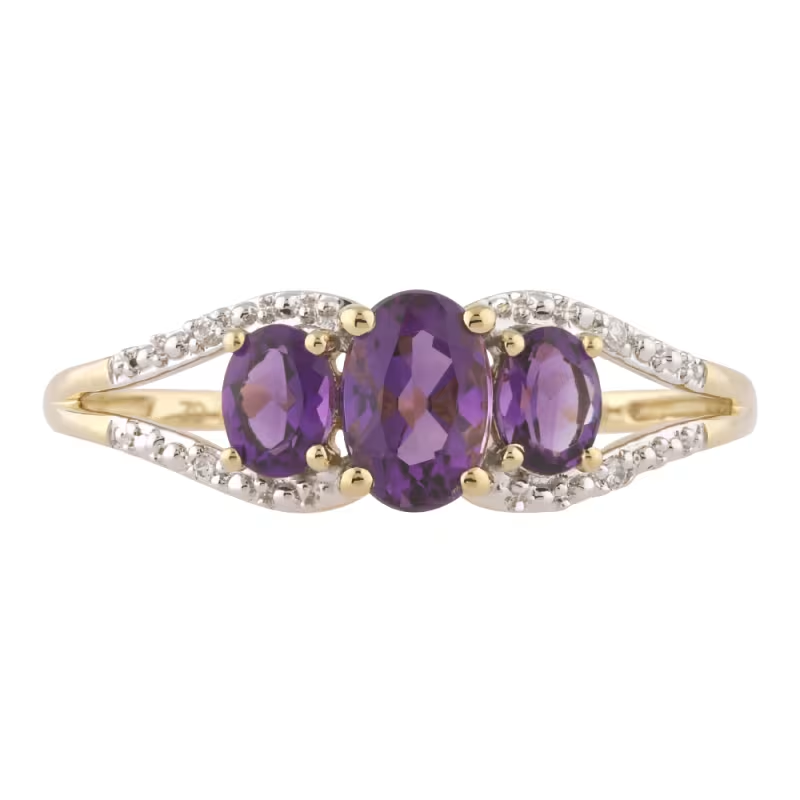
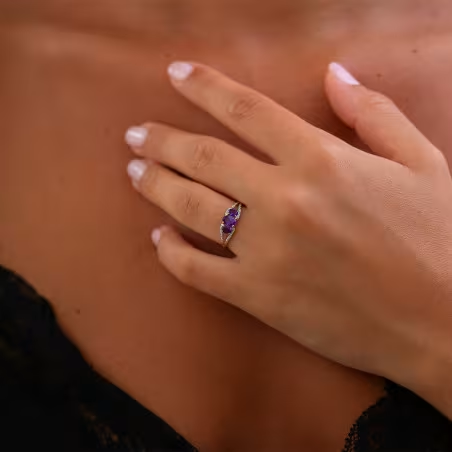
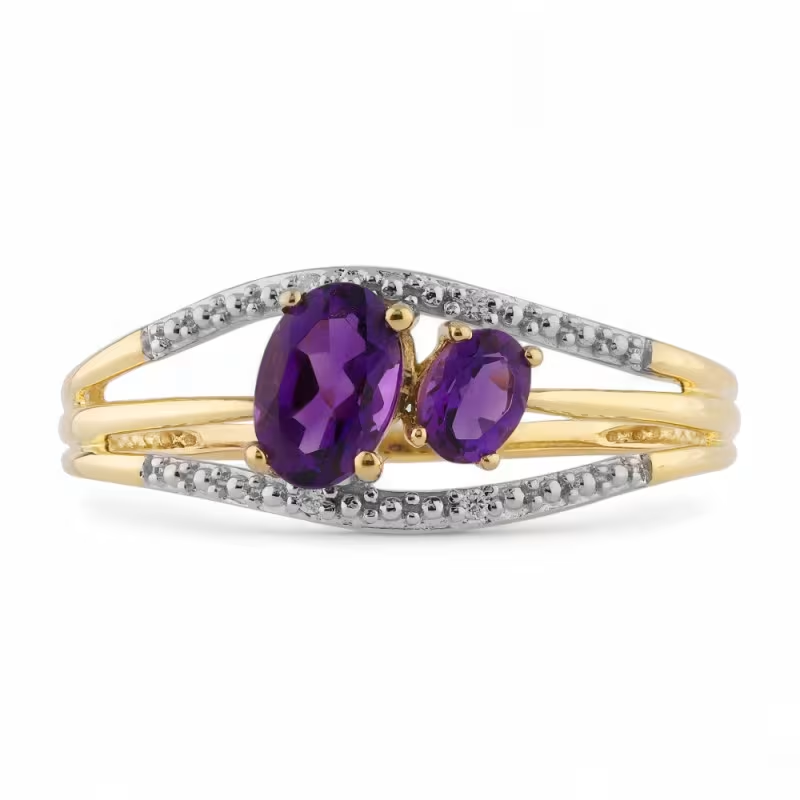
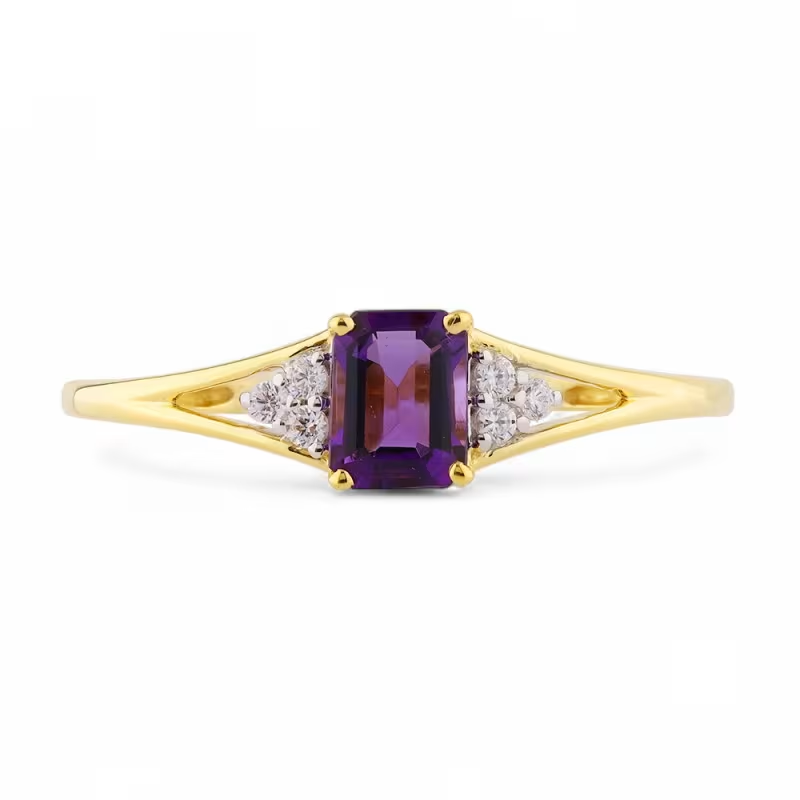
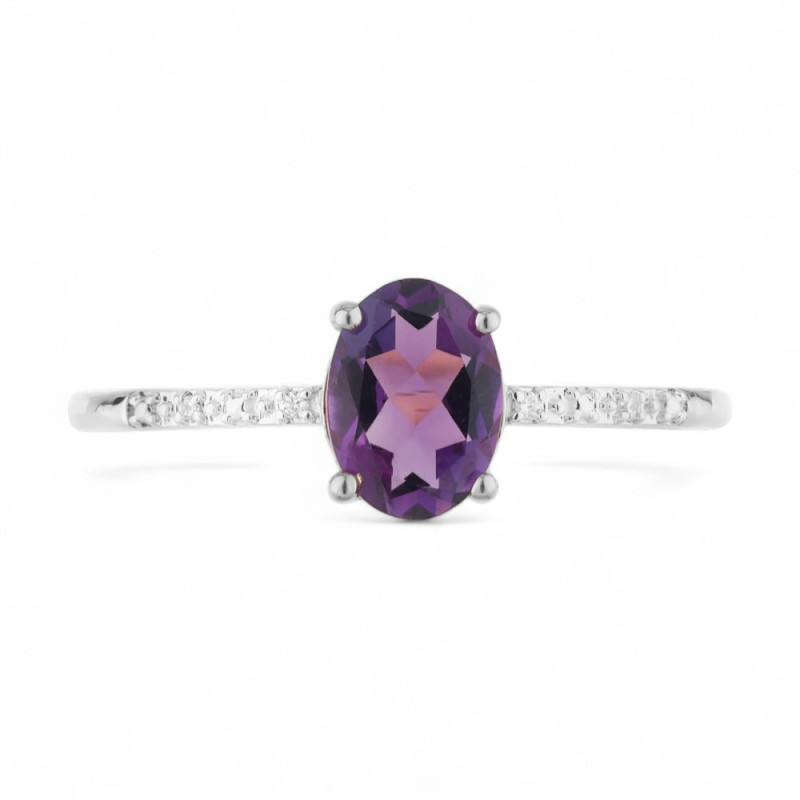
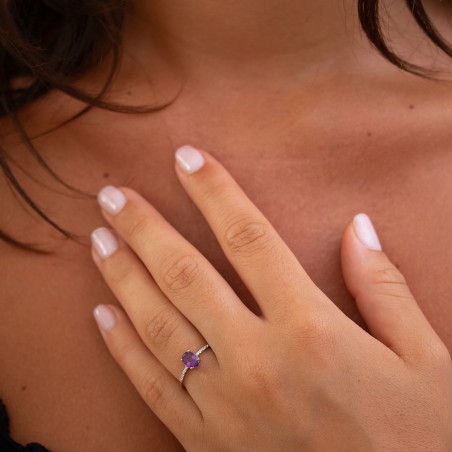
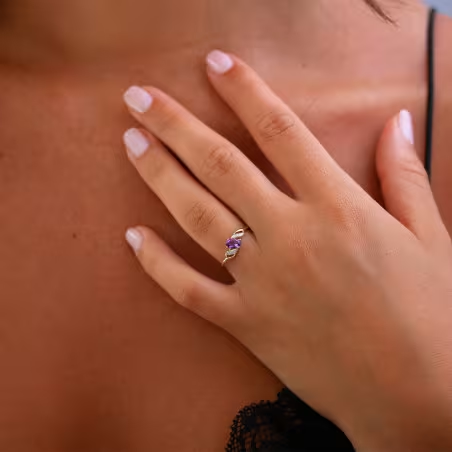
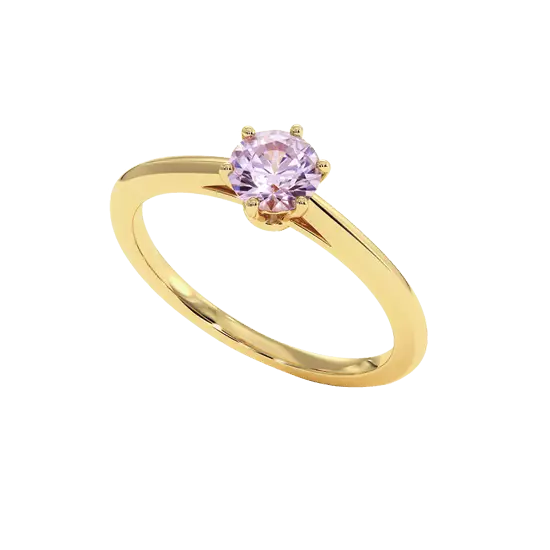
Today, the topic of amethyst purification frequently arises, whether the stone is kept on its own or set in an 18K gold jewel, such as amethyst earrings or an amethyst solitaire ring. But why purify an amethyst—and above all, how can it be done without damaging the stone or its setting?

Here is what you need to know, combining tradition with essential jewelry care precautions.

Why Purify an Amethyst?

Purifying amethyst is part of an ancient symbolic practice. According to certain traditions, purifying an amethyst helps release energies believed to accumulate over time. Concepts such as the benefits of amethyst, the power of amethyst, or its healing effects belong to amethyst lithotherapy, a non-scientific approach passed down through cultural traditions.

From a more practical perspective, purifying an amethyst can also be seen as a symbolic act of care—a moment dedicated to maintaining a precious stone, much like the regular care given to fine jewelry. The meaning of the amethyst stone then goes beyond belief, becoming a personal object imbued with history and emotion.

It is essential, however, to distinguish between:

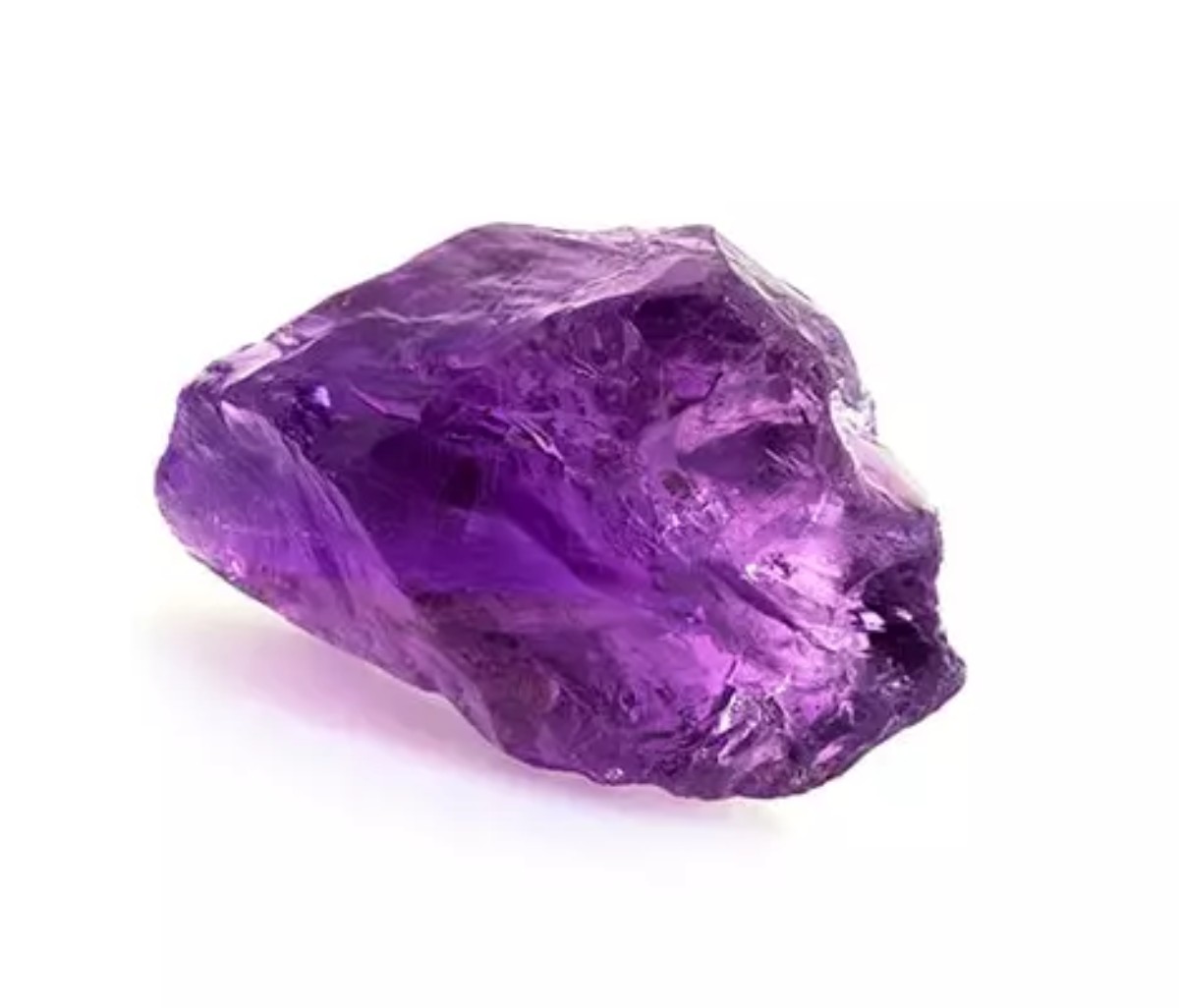
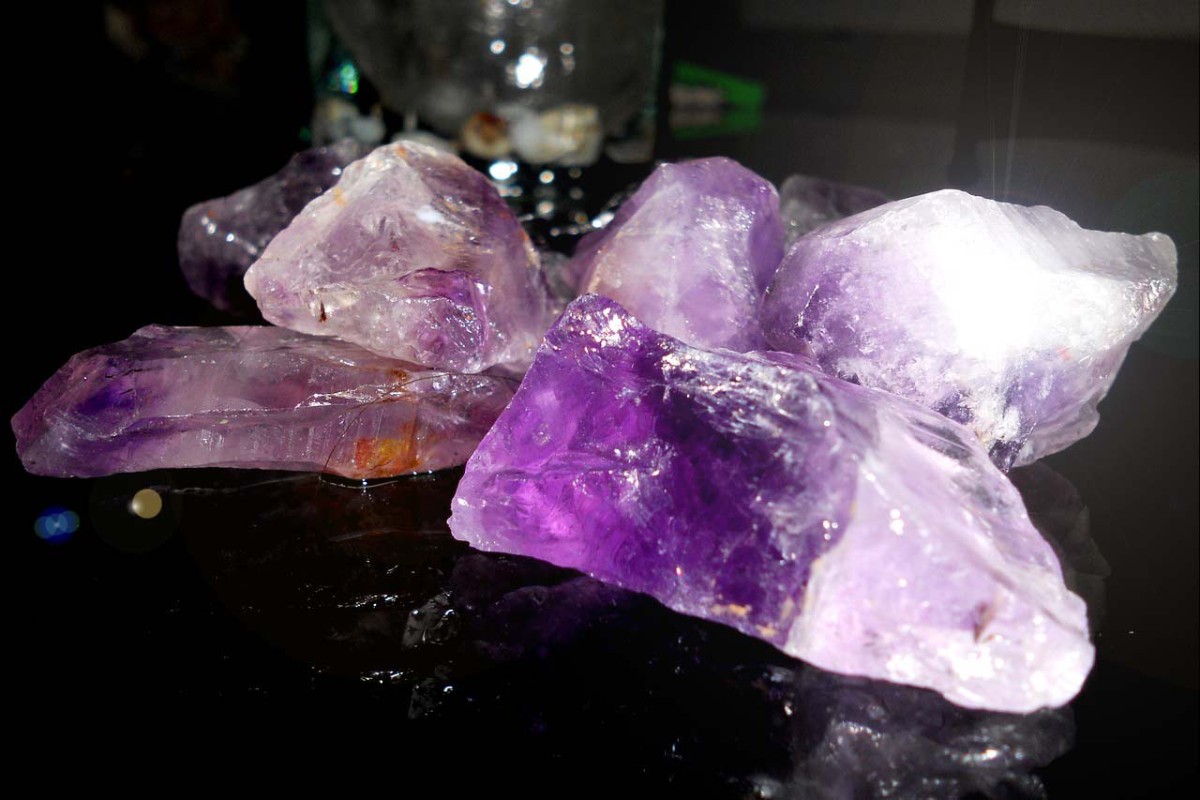
  • a raw amethyst, which generally tolerates handling more easily,
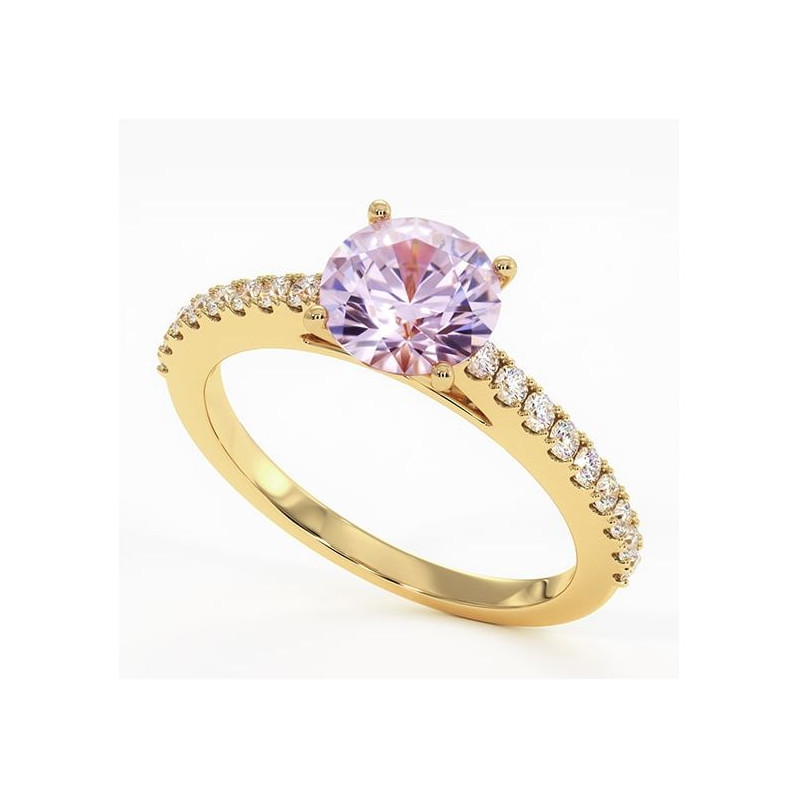
  • and an amethyst set in jewelry, which requires purification methods that respect both the precious metal and the stone setting.

How to Purify an Amethyst Safely

When considering how to purify an amethyst, protecting the gemstone and the jewelry must always come first.

Purifying an Amethyst with Clear Water

A simple and widely used method, cleaning an amethyst with clear water involves briefly rinsing the stone under a gentle stream of room-temperature water, then carefully drying it with a soft cloth.

This method is best suited to loose stones. For an amethyst set in jewelry, it should remain occasional and very brief.

Smudging: A Gentle Alternative

Smudging with incense or sage is often preferred for amethyst purification when the stone is set in jewelry. This method allows you to purify an amethyst without direct contact with water, while preserving 18K gold and delicate settings.

Recharging an Amethyst After Purification

After purification, some traditions recommend recharging an amethyst. Moonlight is generally favored, as it is gentle and poses no risk to the stone’s color.

Concepts such as how to recharge an amethyst or amethyst recharging remain personal and symbolic practices rather than scientifically established methods.

What to Avoid to Preserve an Amethyst

To maintain the lasting beauty of an amethyst, certain practices should be avoided.

Salt

Although sometimes mentioned in amethyst purification, salt is abrasive. It can damage the surface of the stone and harm precious metals.

Direct and Prolonged Sunlight

Contrary to some beliefs about recharging an amethyst in sunlight, prolonged exposure may cause the purple color of the amethyst to fade.

Chemical Products

Household cleaners, harsh detergents, or cosmetics can weaken both the gemstone and its setting. To clean an amethyst, always favor gentle and controlled methods.

Purifying an Amethyst Set in an 18K Gold Jewel

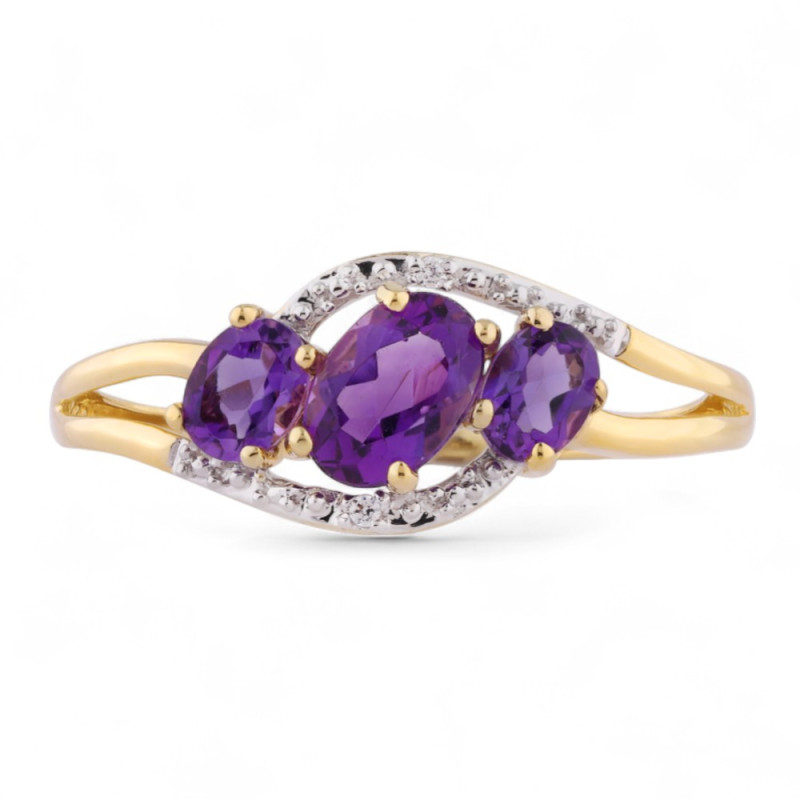
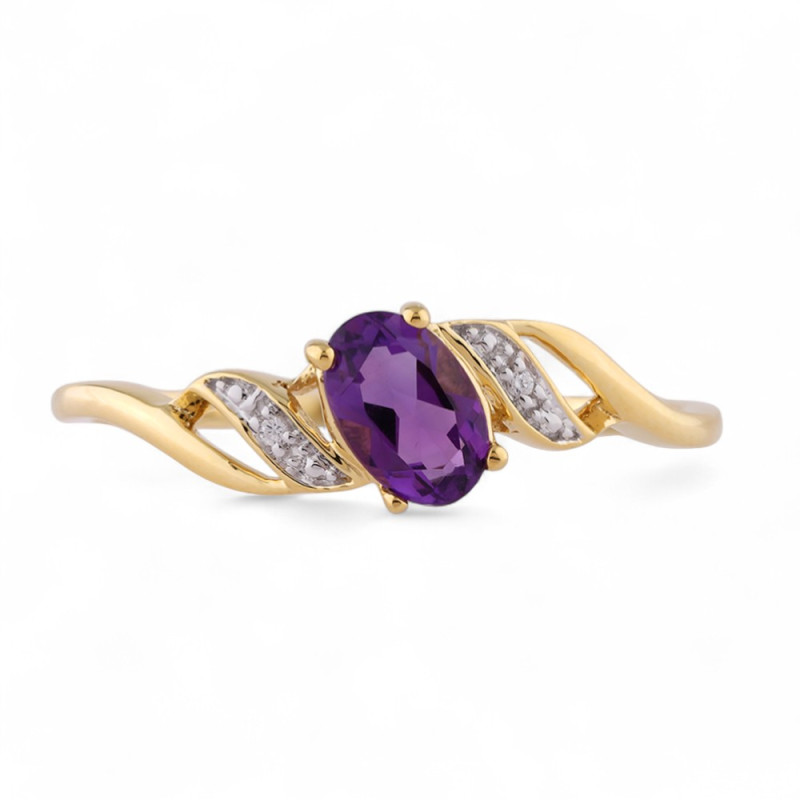
When an amethyst is set in an 18K gold piece of jewelry, purification must be approached with particular care. Unlike a raw stone, a set amethyst is part of a carefully crafted jewelry structure in which every element—metal, prongs, and setting—contributes to the durability and aesthetics of the piece.

In this context, amethyst purification should remain gentle and non-invasive. Methods without direct contact, such as smudging or exposure to moonlight, are generally preferred to purify an amethyst set in a ring, pendant, or amethyst earrings. These approaches respect the stone while avoiding any risk to the 18K gold.

Clear water may be used occasionally, but only for a brief amethyst cleaning, without prolonged immersion, and always followed by careful drying. Abrasive or extreme methods should be strictly avoided, as they can weaken settings and dull the brilliance of the jewelry.

From a fine jewelry perspective, symbolic purification never replaces professional maintenance, which ensures the security of the stones and preserves the longevity of the jewel.

Should an Amethyst Be Purified Regularly?

This question is frequently asked: should you purify an amethyst on a regular basis?
The answer is simple: it is not mandatory.

Amethyst purification and amethyst recharging are primarily personal choices, rooted in tradition or individual sensitivity. Some people associate purification and recharging rituals with specific moments, while others do not feel the need to practice them at all.

From a jewelry standpoint, the value of an amethyst is based on objective criteria:

  • the intensity and uniformity of its color,
  • the quality of the cut,
  • the clarity of the stone,
  • the precision of the setting.

In other words, cleaning an amethyst to preserve its visual brilliance is far more important than the frequency of any purification ritual. The key is to respect the gemstone and avoid any handling that could compromise its integrity.

Amethyst in Fine Jewelry: Between Tradition and Craftsmanship

Admired for centuries, amethyst holds a distinctive place in the world of fine jewelry. Its violet hue, a symbol of distinction and depth, makes it a favored gemstone for both classic and contemporary creations. The meaning of the amethyst stone is thus shaped at the crossroads of history, aesthetics, and emotion.

In jewelry making, amethyst is chosen above all for its natural beauty and its ability to be enhanced by precise setting techniques—whether as an amethyst solitaire, a pendant, or refined amethyst earrings. The properties of amethyst, often mentioned in traditional beliefs, enrich the personal connection each individual forms with their jewel, without ever replacing artisanal expertise.

Balancing respect for tradition with technical excellence, amethyst remains an exceptional gemstone—revealed through the jeweler’s craftsmanship and designed to stand the test of time with elegance.

FAQ – Purifying an Amethyst: Frequently Asked Questions

Why purify an amethyst?

Amethyst purification is a practice rooted in ancient traditions. It is often associated with the stone’s symbolism and a personal gesture of care, without any proven scientific basis.

How can you purify an amethyst without damaging it?

To purify an amethyst safely, opt for gentle methods such as smudging or a quick rinse with clear water, followed by careful drying. These steps help preserve the gemstone and its brilliance.

Can you purify an amethyst set in an 18K gold jewel?

Yes, but with caution. For an amethyst set in an 18K gold jewel, it is recommended to avoid prolonged immersion and to favor non-contact methods in order to protect the setting.

Should an amethyst be recharged after purification?

Recharging an amethyst is part of certain symbolic traditions. Exposure to moonlight is generally preferred, as it is gentle and poses no risk to the stone’s color.

How often should an amethyst be purified?

There is no strict rule. Amethyst purification is not mandatory and depends primarily on personal choice. However, regular gentle cleaning is essential to preserve the beauty of the jewelry.

Share this content