The Kashmir Sapphire: The Velvety Brilliance of a Legendary Gem
,
Gemstone News
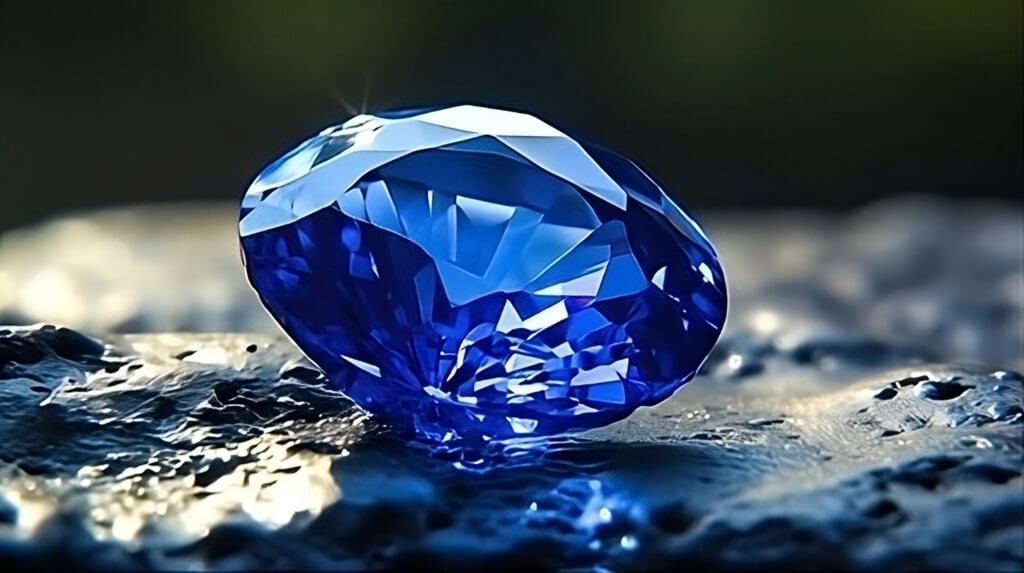
Among the treasures the Earth has to offer, the Kashmir sapphire stands apart from other precious gemstones as one of the rarest and most highly prized in the world. Mined at high altitudes in the Himalayas, this sapphire owes its reputation to its incomparable color — a dazzling blue with subtle violet undertones.
Origin, unique characteristics, identification, and price: discover everything you need to know about this legendary gemstone, one of the most sought-after treasures in the world of fine jewelry.
The Mystical Origins of the Kashmir Sapphire
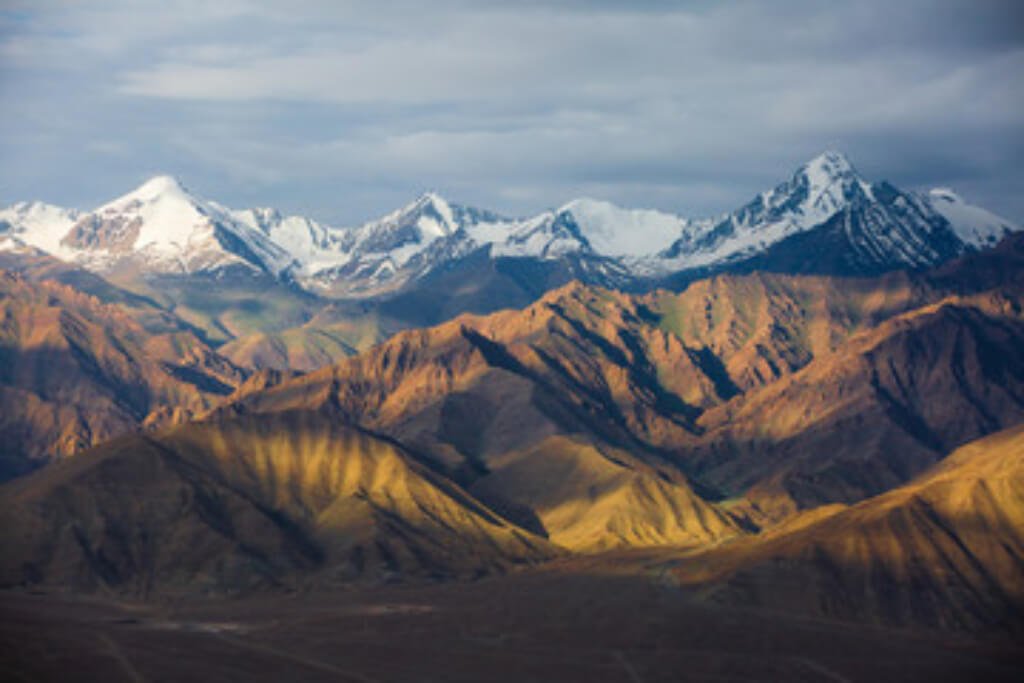
The history of the Kashmir sapphire dates back to the late 19th century. The first mines were discovered following a landslide in the Zanskar region of northern India, deep within the Himalayan mountains. The extreme altitude and particularly challenging geological conditions made extracting these gemstones extraordinarily difficult.
For several years, these mines proved exceptionally productive, yielding sapphire crystals of remarkable quality and size. Over time, however, the deposits gradually became depleted. Searches were conducted to locate other sources, but they remained unsuccessful — some reports now suggest that only a few grams are extracted each day.
Kashmir, a region disputed between India and Pakistan, has remained an area of tension for several decades. This political instability has often complicated, and at times even prevented, the extraction of these highly coveted gemstones.
Ultimately, geopolitical circumstances and geological complexity have combined to make the Kashmir sapphire one of the rarest gemstones in the world — a scarcity that has fueled its legendary reputation in the world of precious stones. In Indian tradition, this gemstone is also regarded as a profound symbol of immortality; according to ancient Persian beliefs, the entire universe was said to rest upon a sea of sapphires.
The Signature Velvety Blue Color
What makes the Kashmir sapphire truly unique is its exceptional color: a silky appearance and an intense blue with subtle violet undertones. The most sought-after shade has an evocative name — “cornflower blue.”
In its pure state, the natural composition of this gemstone is colorless; it is the presence of impurities that gives it its distinctive color. This highly recognizable blue hue results from trace elements, particularly iron and titanium oxide. Compared with other sapphires and precious gemstones, the Kashmir sapphire remains unrivaled in terms of color: its slightly soft, velvety blue gives it a truly unique beauty.
The finest Ceylon sapphires, originating from Sri Lanka, also rank among the most renowned in the world. Although their color can resemble that of Kashmir sapphires, the latter remain at the very top of the hierarchy of blue gemstones.
Kashmir Sapphire in Popular Culture
Blue sapphire made history thanks to Lady Diana’s iconic engagement ring: a magnificent cluster ring set with a 12-carat Ceylon sapphire surrounded by 14 diamonds. Today worn by Catherine, Princess of Wales, Kate Middleton, this ring has captivated the world and further cemented the sapphire’s reputation as a true royal gemstone.
The rarity and beauty of the Kashmir sapphire have also fascinated fashion designers, celebrities, and jewelry enthusiasts around the world. Numerous public figures have been seen wearing jewelry adorned with this blue gemstone, helping to popularize it and incorporate its distinctive color into fashion trends. The celestial blue shades associated with these stones have found their way into clothing collections, seasonal color palettes, and even certain interior design products.
Kashmir sapphires remain relatively rare, even at prestigious high-end auctions. When such a specimen is offered for sale, it generally commands a considerable price, as collectors and gemstone investors are prepared to pay substantial sums for stones displaying this exceptional blue color.
Investing in Kashmir Sapphires
Investing in a Kashmir sapphire can be a worthwhile choice for several reasons:
- Exceptional rarity: these gemstones are among the rarest in the world, which tends to increase their value over time.
- An incomparable color: their intense, velvety blue clearly distinguishes them from other sapphires and makes them particularly desirable among collectors and investors.
- High demand: due to their rarity and near-flawless quality, these gemstones remain highly sought after on the international precious gemstone market.
Alongside their undeniable beauty comes increasing scarcity, which continues to drive their value upward over time. However, knowing how to identify an authentic Kashmir sapphire is essential before making any investment. Here are the key criteria to consider:
How to Identify a Genuine Kashmir Sapphire
- Color: this is a crucial criterion — genuine Kashmir sapphires display a characteristic deep, velvety blue that is difficult to imitate.
- Clarity: authentic Kashmir sapphires may contain inclusions, generally in the form of fine white particles; however, these should remain minimal and should not detract from the gemstone’s overall beauty.
- Certification: a certificate of origin explicitly stating Kashmir, issued by a recognized gemological laboratory, is essential to verify the gemstone’s authenticity and quality.
Identifying a Kashmir sapphire remains a complex process requiring the trained eye of an expert. It is therefore strongly recommended to consult a gemologist before making any significant investment in this exceptional gemstone — a professional who can carry out the necessary checks before purchase.
How to Wear a Kashmir Sapphire
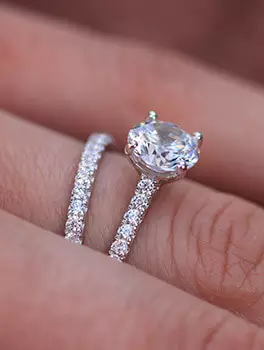
Thanks to its distinctive blue-violet hue, the Kashmir sapphire is equally suited to a high-jewelry ring, an elegant pendant, or more understated earrings. Its deep color pairs particularly well with white gold and platinum, metals that enhance its velvety brilliance without ever competing with its natural hue. When surrounded by diamonds, as in Lady Diana’s famous ring, the Kashmir sapphire appears even more intense, with the contrast between the gemstone’s deep blue and the white brilliance of the diamonds creating a particularly spectacular effect.
Due to its rarity and value, this gemstone is generally reserved for high-jewelry pieces or collectors’ jewelry rather than everyday wear. Collectors often favor cushion or oval cuts, which help preserve as much of the rough stone’s carat weight as possible while revealing the full depth of its color.
How to Care for Kashmir Sapphire Jewelry
With a hardness of 9 on the Mohs scale, the Kashmir sapphire is highly resistant to everyday impacts and scratches — ranking just behind diamond in terms of hardness. Nevertheless, a few precautions can help preserve its brilliance over time:
- Avoid prolonged contact with harsh chemicals, including perfume, cosmetics, and household cleaning products.
- Clean it with warm, soapy water using a soft brush, then dry it with a soft cloth.
- Have the setting inspected regularly by a professional, particularly for high-value pieces that are worn only occasionally.
- Store your jewelry separately from other gemstones in a fabric-lined jewelry box to minimize the risk of scratches.
How Much Does a Kashmir Sapphire Cost?
The price of a Kashmir sapphire can vary considerably depending on several factors, including its size, quality, color, and clarity — broadly similar to the famous 4Cs used to evaluate a diamond: carat, clarity, color, and cut.
Unlike diamonds, there is no official, universal color grading system for colored gemstones. Nevertheless, a deep and intense color is generally considered an indicator of greater value. For sapphires, the characteristic cornflower blue remains the most sought-after shade and is particularly associated with Kashmir sapphires. The finest specimens can therefore command prices of tens of thousands of dollars per carat.
What Is the Most Expensive Kashmir Sapphire Ever Sold?
In July 2021, a 27.94-carat Kashmir sapphire sold for €2.1 million at an auction held in Monaco by Hôtel des Ventes de Monte-Carlo (HVMC). Including fees, the final transaction amounted to approximately €2.7 million, or nearly €97,000 per carat.
Set in platinum and surrounded by diamonds, the ring had previously belonged to a European princely family, a prestigious provenance that helped drive bidding higher among several international buyers.
FAQ — Your Questions About Kashmir Sapphires
What makes Kashmir sapphires so special?
Kashmir sapphires stand out for their unique velvety blue color, known as “Cornflower” blue, combined with their extreme rarity due to the depletion of their historic deposits in the early 20th century.
Where are Kashmir sapphire deposits located?
The historic deposits are located in the Zanskar region of Kashmir, in the Himalayan mountains. These mines are now largely depleted, which explains the extreme rarity of this gemstone on today’s market.
How can you tell a Kashmir sapphire from a Ceylon sapphire?
Both gemstones display a beautiful blue hue, but Kashmir sapphires have a more velvety appearance and a distinctive blue-violet intensity. Only a gemological certificate explicitly stating Kashmir origin can reliably confirm the gemstone’s provenance.
Why are Kashmir sapphires so expensive?
Their high price is the result of several exceptional factors: historic deposits that are now largely depleted, an incomparable color, and extremely strong demand from gemstone collectors and investors.
Is a Kashmir sapphire a good investment?
Its increasing rarity and sustained demand make it a gemstone whose value tends to appreciate over time. As with any investment in precious gemstones, it is essential to have the stone authenticated by an expert before making a significant purchase.
What certification should you request for a Kashmir sapphire?
It is essential to request a certificate of origin issued by a recognized gemological laboratory that explicitly states the gemstone’s Kashmir origin in order to verify its authenticity.
Can you buy a Kashmir sapphire from Celinni?
Maison Celinni offers a selection of exceptional blue sapphires. For any specific request regarding a Kashmir sapphire, our diamond experts can assist and advise you during an appointment at one of our jewelry stores.
Conclusion
Kashmir sapphires remain a true enigma, combining mystery, beauty, and extraordinary rarity. Their place in history, culture, and fine jewelry is undeniable, while their appeal continues to grow with each prestigious auction. These remarkable gemstones will undoubtedly continue to captivate our imagination for years to come, shining like true stars brought down to Earth.









.png)


.avif)