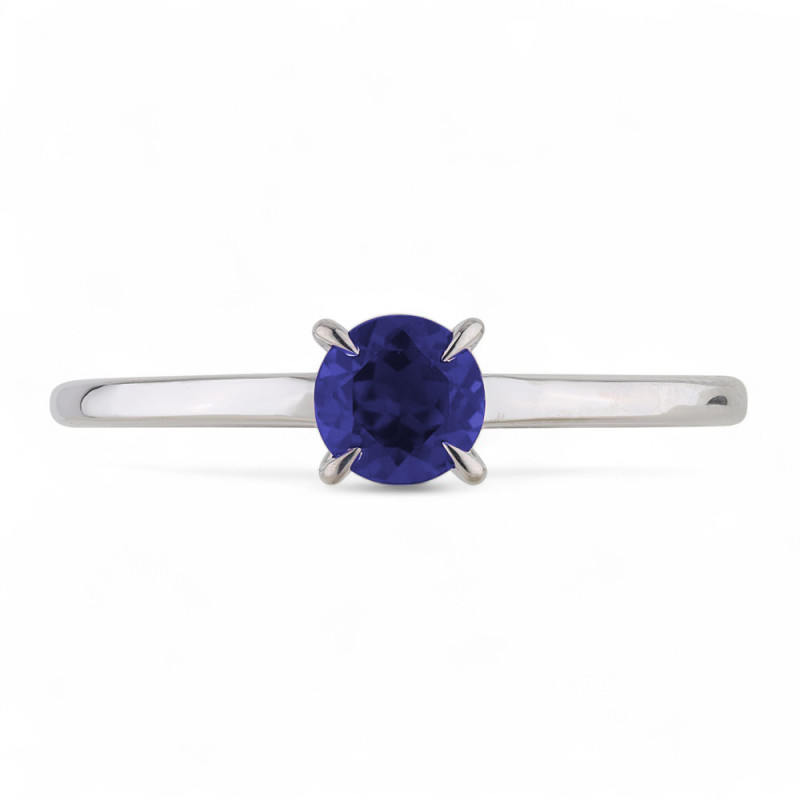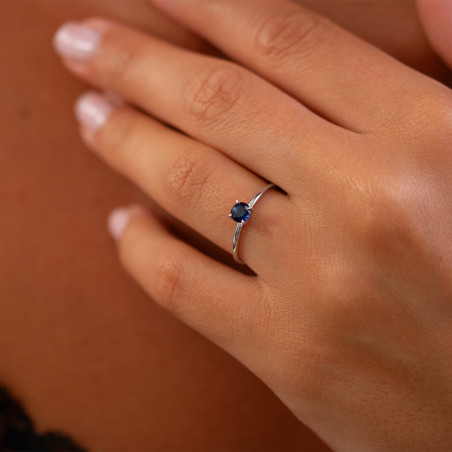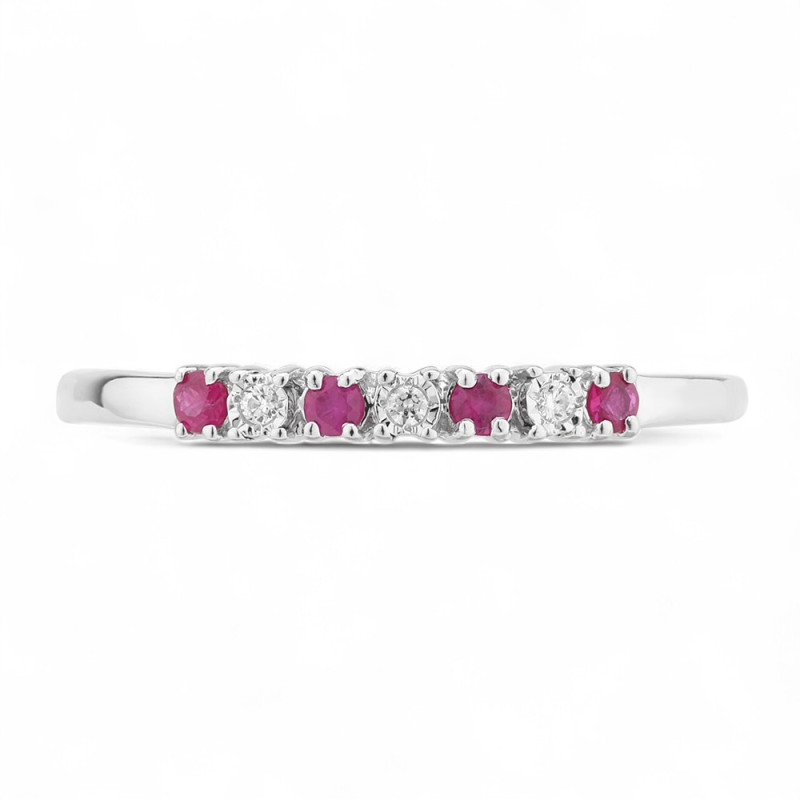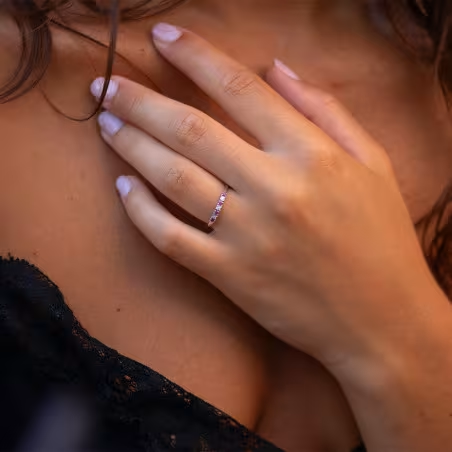










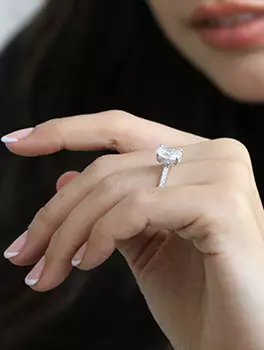
Sapphire Engagement Ring: The Royal Alternative to Diamond
,
Jewelry News
The sapphire has stood the test of time to become one of the most sought-after precious stones in engagement ring jewelry. Worn by queens and admired by princesses, this deep blue gemstone symbolizes loyalty, wisdom, and timeless elegance. Choosing a sapphire engagement ring means selecting a piece filled with history and meaning while embracing a distinctive style that stands apart from the traditional diamond solitaire.
At Celinni, a fine jewelry house founded in 1967, we guide you through this meaningful choice with a refined collection of precious stone solitaire rings crafted in 18K gold and set with exceptional artisanal expertise.
Why Choose a Sapphire Engagement Ring?
A Royal Symbol with Ancient Origins
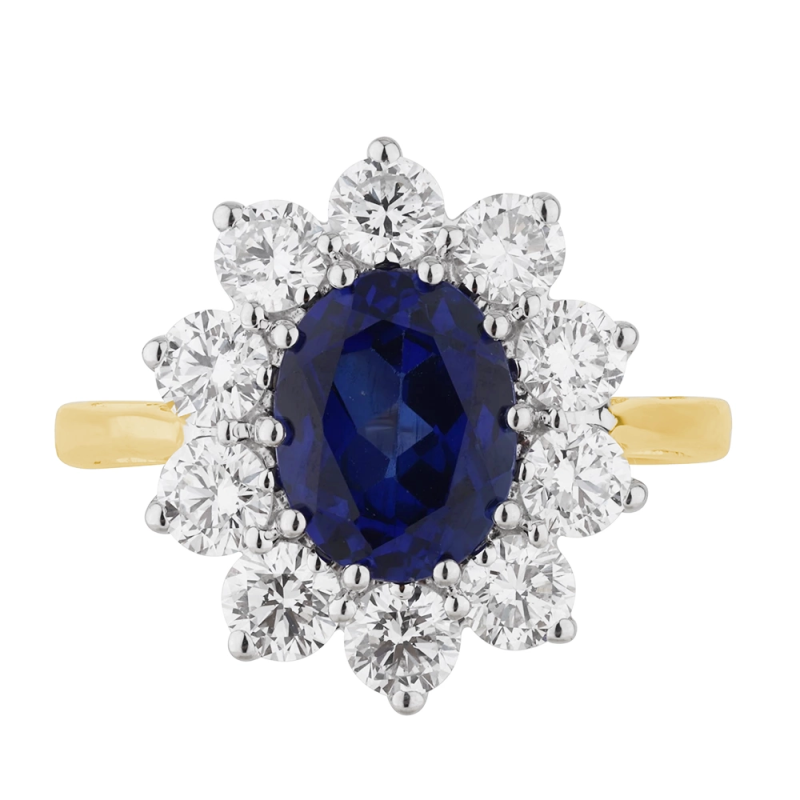
For centuries, sapphire has been associated with royalty, loyalty, and protection. During the Middle Ages, clergy members wore sapphire rings as symbols of divine wisdom. However, it was in 1981 that the blue gemstone truly captured worldwide attention: the engagement ring given by King Charles III to Princess Diana — featuring a 12-carat Ceylon sapphire surrounded by diamonds — became one of the most iconic engagement rings in history. Today, it is worn by Catherine, Princess of Wales, continuing a royal tradition that still inspires millions of couples around the world.
This powerful symbolism gives the sapphire engagement ring a unique emotional and historical depth. It is more than a promise of love — it tells a story.
Exceptional Durability for Everyday Wear
On the Mohs hardness scale, which measures mineral durability, sapphire scores 9 out of 10, second only to diamond. This remarkable hardness makes it an ideal gemstone for a ring worn every day. Resistant to scratches, impacts, and the effects of time, sapphire represents a lifelong companion as enduring as the commitment it symbolizes.
This is a major advantage compared to other precious stones such as emeralds or tanzanite, which require greater care and maintenance.
An Elegant and More Accessible Alternative to Diamond
A sapphire engagement ring often provides better value for money than a comparable diamond ring. With a similar budget, you can choose a larger center stone with intense color and remarkable brilliance. This relative affordability allows couples to create exceptional jewelry pieces without compromising on the quality of the 18K gold setting or the precision of the craftsmanship.
The Different Shades of Sapphire: Beyond Blue
When people think of sapphire, they immediately picture a deep blue gemstone. Yet sapphire actually exists in a much wider and more fascinating palette of colors.
The Blue Ceylon Sapphire
The blue Ceylon sapphire from Sri Lanka is considered the ultimate reference. Renowned for its vivid to intense blue hue, it displays a luminous quality often described by gemologists as “cornflower blue.” This is the gemstone featured in the iconic royal engagement ring once worn by Princess Diana, and it remains the first choice for many sapphire lovers.
The Burmese Sapphire from Mogok
Slightly darker and more saturated in tone, the Burmese sapphire from the Mogok Valley is regarded by many experts as one of the most valuable sapphires in the world. Its royal blue color subtly shifts toward violet, creating a mesmerizing depth and intensity.
Fancy Color Sapphires: A Growing Trend
The term “sapphire” actually refers to every variety of colored corundum except red, which is classified as ruby. This means sapphires are available in several stunning shades:
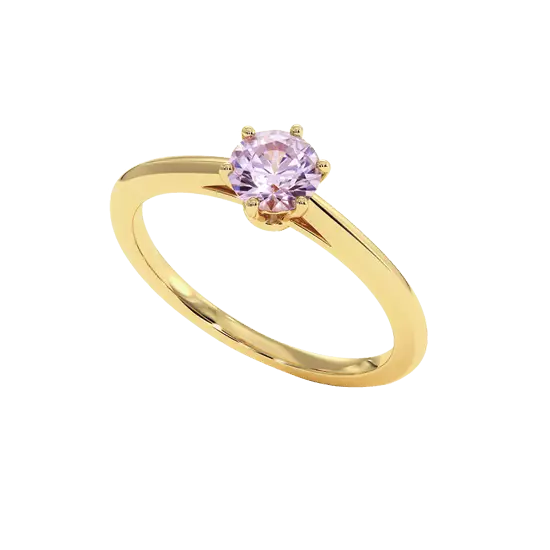
- Pink sapphire: romantic and delicate, ideal for a modern and feminine engagement ring
- Yellow sapphire: bright and radiant, rarer and therefore highly exclusive
- Padparadscha sapphire: a rare pink-orange sapphire considered one of the world’s most precious gemstones
- White sapphire: nearly transparent and sometimes chosen as a natural alternative to diamond
How to Choose a Sapphire Engagement Ring: Essential Criteria
Color: The Most Important Factor
In sapphire gemology, color is the primary element that determines a gemstone’s value. Experts evaluate hue, saturation, and brightness. The ideal sapphire displays a consistent color with no faded zones and strong saturation without appearing overly dark.
For an exceptional sapphire engagement ring, choose a vivid and evenly distributed blue that remains vibrant even under artificial lighting.
Clarity and Natural Inclusions
Unlike diamonds, whose clarity is graded under 10x magnification according to strict Gemological Institute of America standards, sapphires are mainly evaluated with the naked eye. A high-quality sapphire should not show visible inclusions without optical tools.
Microscopic inclusions are natural and generally do not affect the beauty of the gemstone, provided they are not visible to the naked eye and do not weaken the crystal structure.
The Cut: Round, Cushion, Oval, or Emerald?
The cut directly affects both the brilliance and the perceived color intensity of the sapphire. The most popular cuts for sapphire engagement rings include:
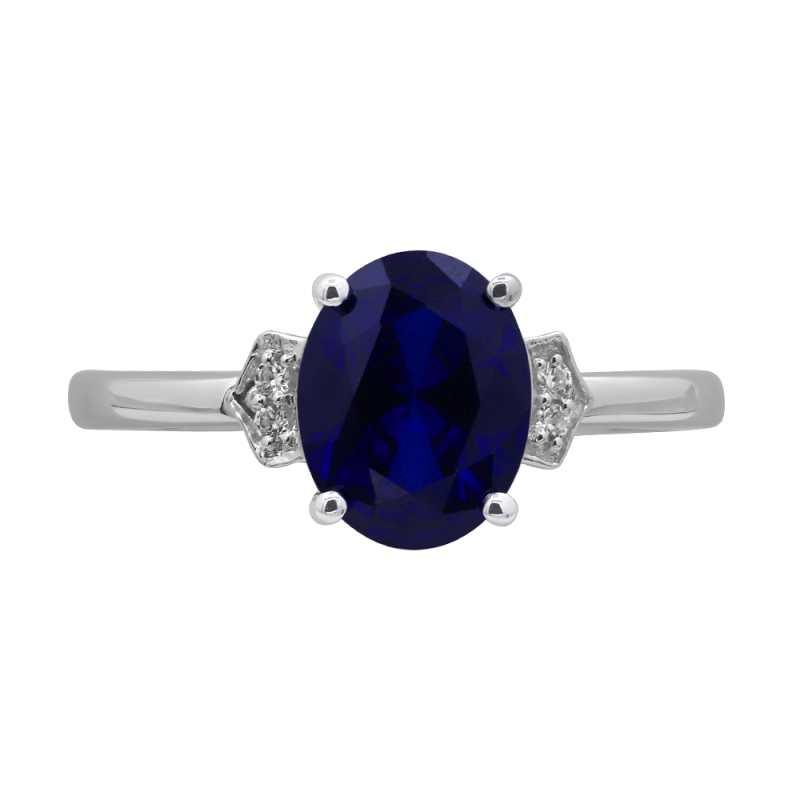
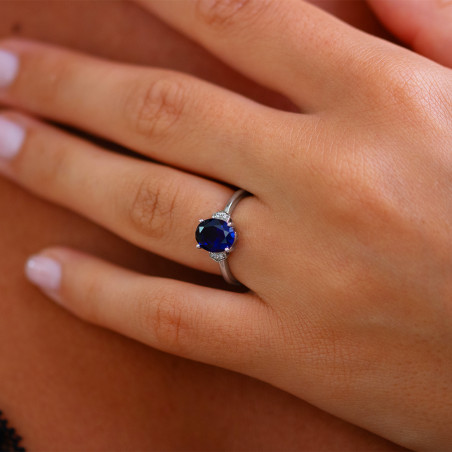
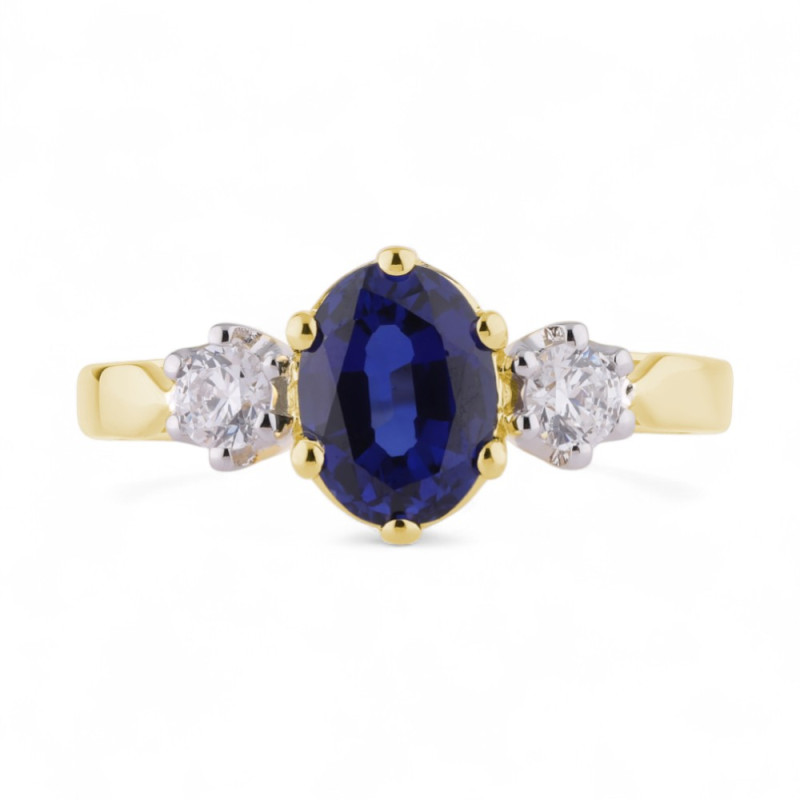
- Oval cut: elongates the finger and enhances the gemstone’s color depth. This is the cut featured in Diana’s famous engagement ring.
- Cushion cut: romantic and vintage-inspired, emphasizing the sapphire’s rich color tones.
- Round cut: the most classic option, maximizing brilliance and sparkle.
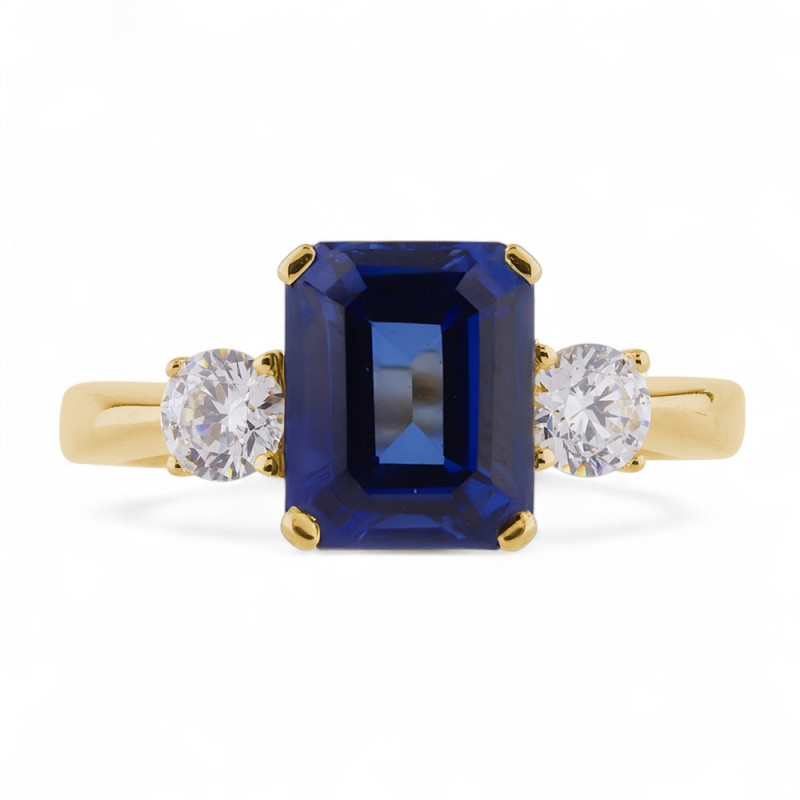
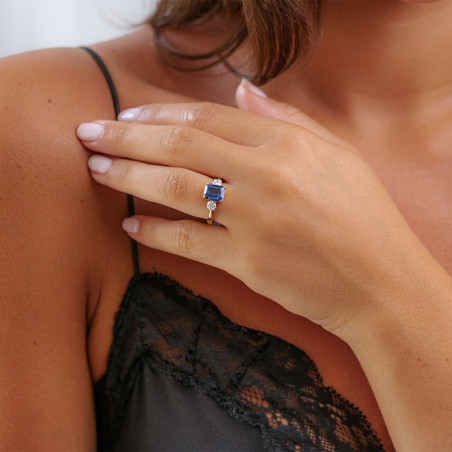
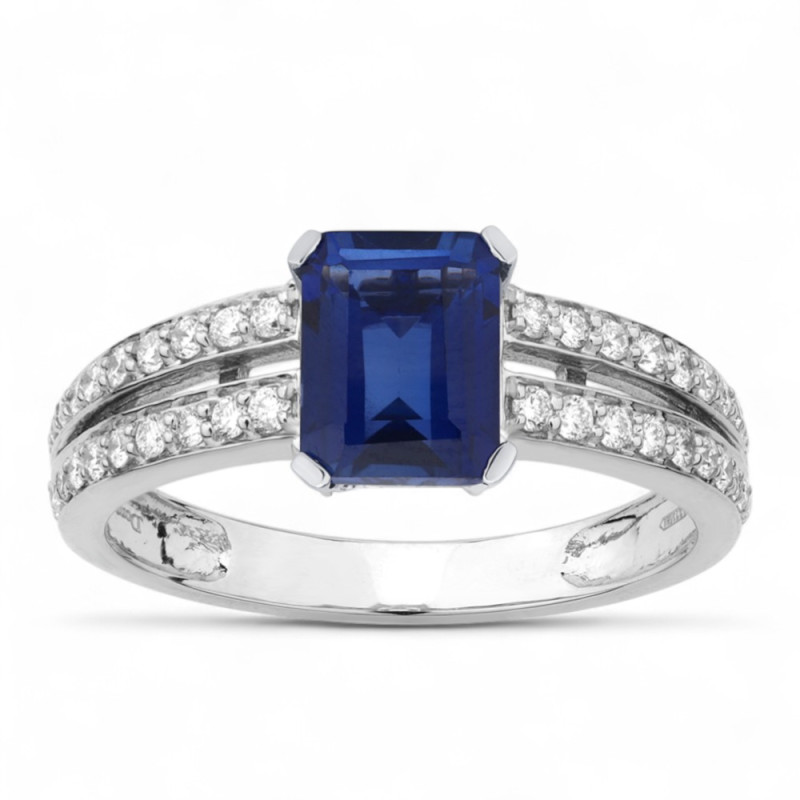
- Emerald cut: geometric and contemporary, offering a sophisticated and architectural appearance.
Carat Weight
For an engagement ring, a sapphire between 1 and 3 carats offers the ideal balance between visual presence and elegant wearability. Larger sapphires weighing 3 to 5 carats or more are considerably rarer, and their value increases exponentially.
Gemological Certification
For complete peace of mind, choose a sapphire accompanied by a gemological certificate issued by a recognized laboratory such as Gemological Institute of America, Gübelin Gem Lab, SSEF, or American Gemological Laboratories.
This certificate confirms the gemstone’s origin, color, and carat weight while specifying whether the sapphire has undergone heat treatment or remains completely untreated.
Which Metal Pairs Best with a Sapphire Engagement Ring?
Choosing the right metal is just as important as selecting the gemstone itself, as it directly influences the overall harmony and visual appeal of the jewelry piece.
18K White Gold: The Perfect Match
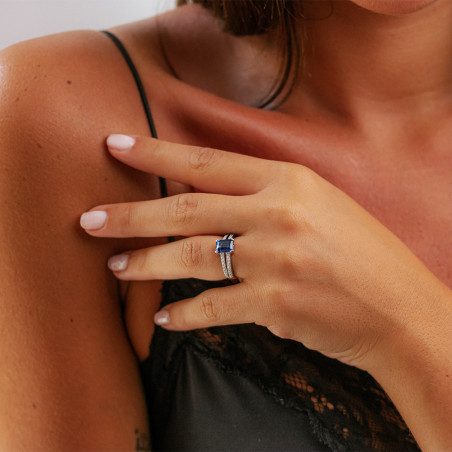
18K white gold is the most popular setting for a sapphire engagement ring. Its cool and luminous tone enhances the deep blue color of the gemstone while creating an elegant contrast. This precious metal gives the ring a sophisticated and contemporary appearance.
18K Yellow Gold: A Return to Timeless Authenticity
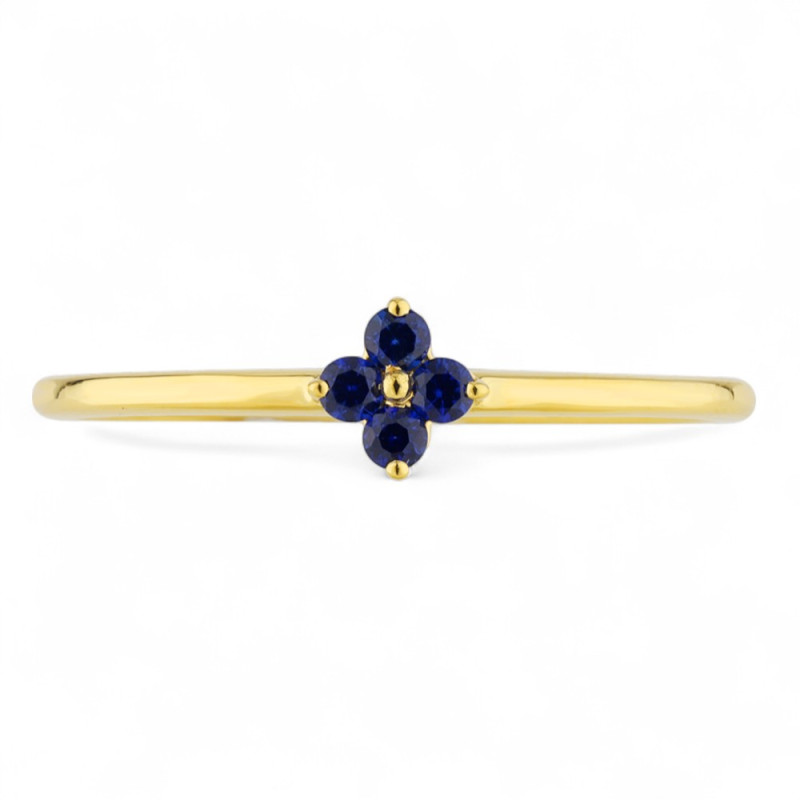
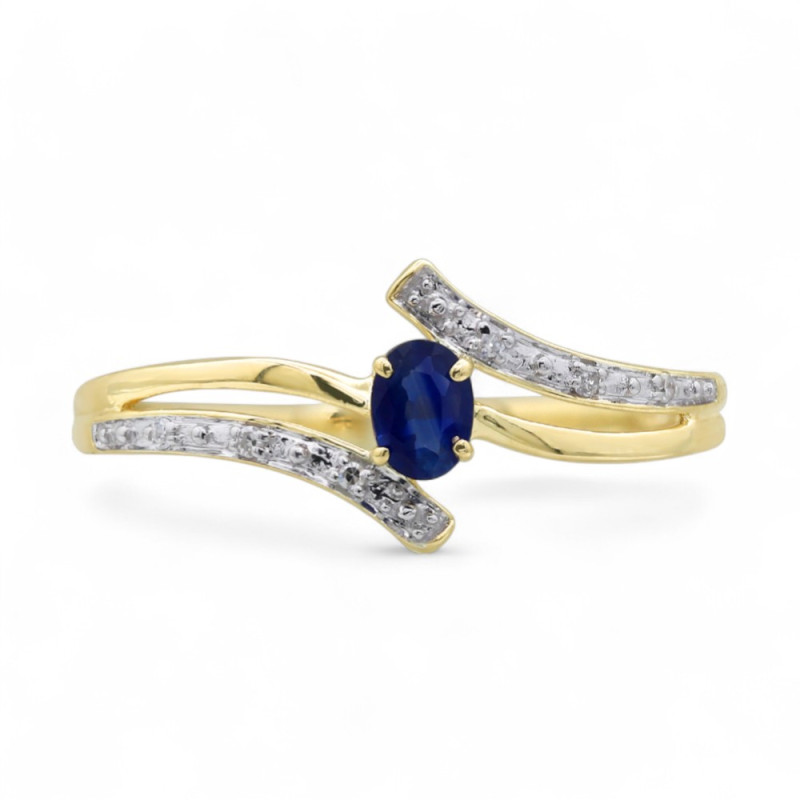
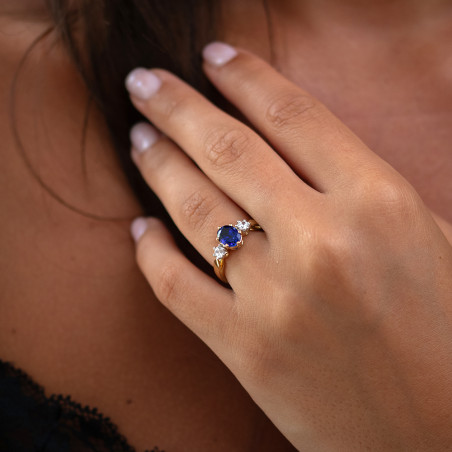
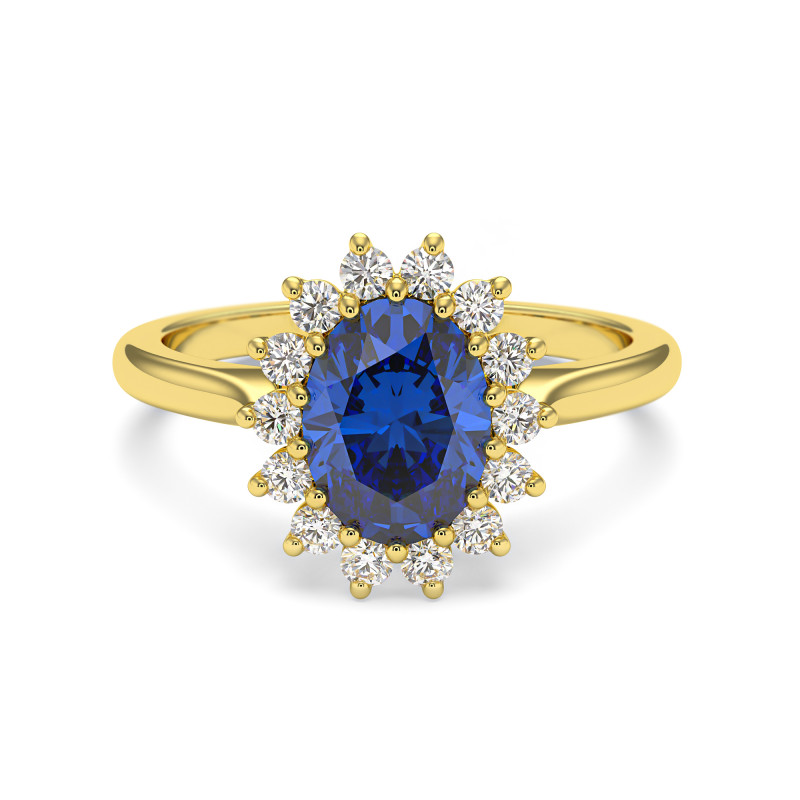
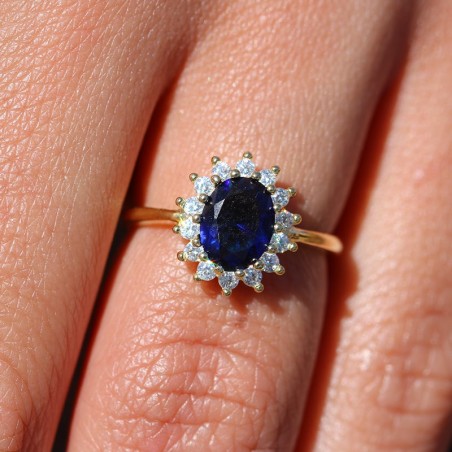
Highly fashionable in recent years, 18K yellow gold creates a warm and vintage-inspired combination with blue sapphire. The contrast between warm gold and cool blue tones recalls antique fine jewelry pieces and gives the ring a strong, distinctive personality.
18K Rose Gold: Romance and Originality
Rose gold offers delicate pink undertones that pair beautifully with light blue, pink, or padparadscha sapphires. It is the perfect choice for a romantic and modern engagement ring with a unique aesthetic.
Platinum: The Ultimate Luxury Setting
Considered one of the most prestigious precious metals, platinum offers greater durability and a naturally whiter appearance than white gold. Hypoallergenic and extremely resistant, platinum is the ultimate setting for a high jewelry creation designed to last for generations.
Popular Setting Styles for a Sapphire Engagement Ring
The setting determines how the gemstone is secured onto the ring. It directly affects the ring’s safety, aesthetics, and the amount of light entering the sapphire.
Prong Setting: Maximizing Light and Brilliance
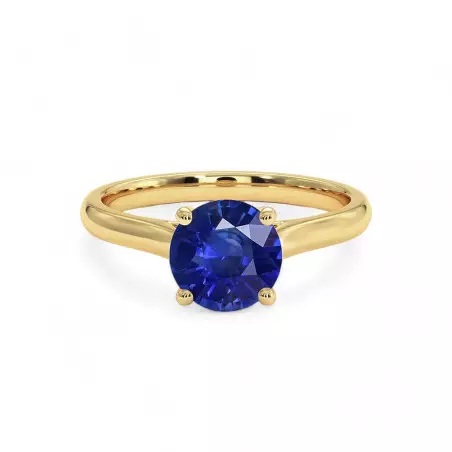
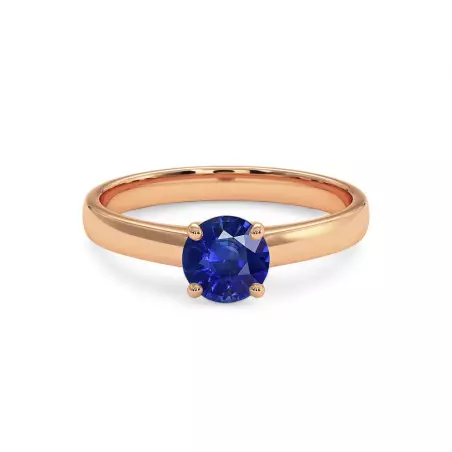
The prong setting is the most common choice for solitaire engagement rings. The gemstone is held in place by four or six metal prongs, allowing maximum light exposure and showcasing the sapphire’s color from every angle. This is also the iconic setting style used in the famous engagement ring of Princess Diana.
Bezel Setting and Pavé Setting: Protection and Elegance
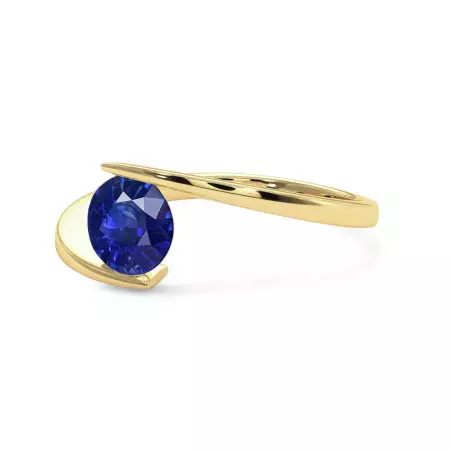
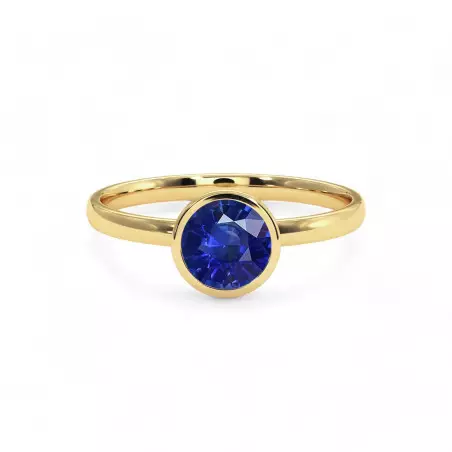
A bezel setting surrounds the sapphire’s girdle with a continuous metal rim, offering maximum protection to the gemstone while slightly reducing light exposure. This style creates a sleek, graphic, and contemporary look highly appreciated in modern fine jewelry.
Pavé settings, meanwhile, incorporate small diamonds along the band to enhance sparkle and refinement.
Halo Setting: Diamonds Enhancing the Sapphire
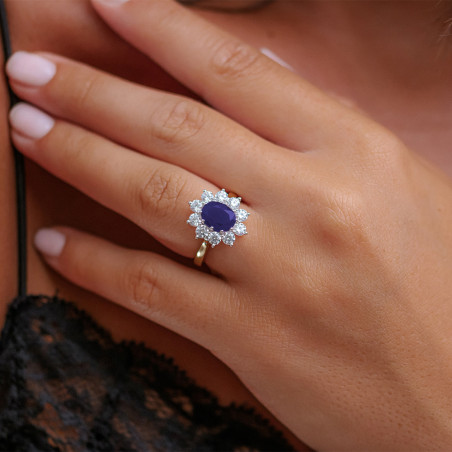
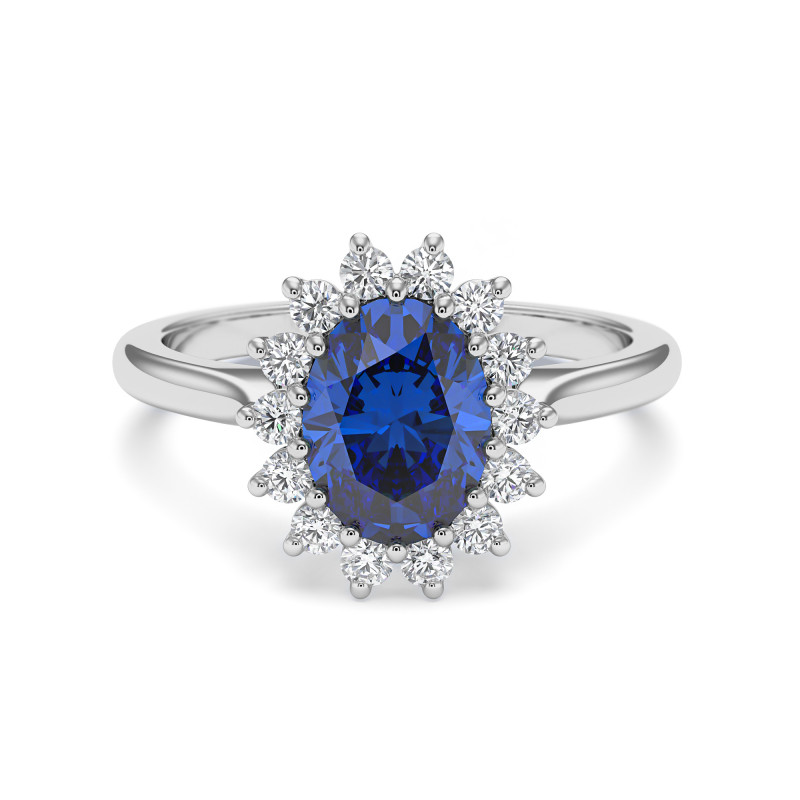
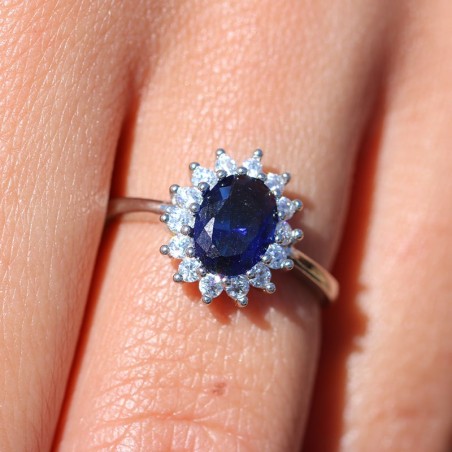
A sapphire surrounded by brilliant diamonds — just like Diana’s legendary engagement ring — creates a truly luxurious combination. The surrounding diamonds amplify the brilliance of the central sapphire and enhance its visual presence.
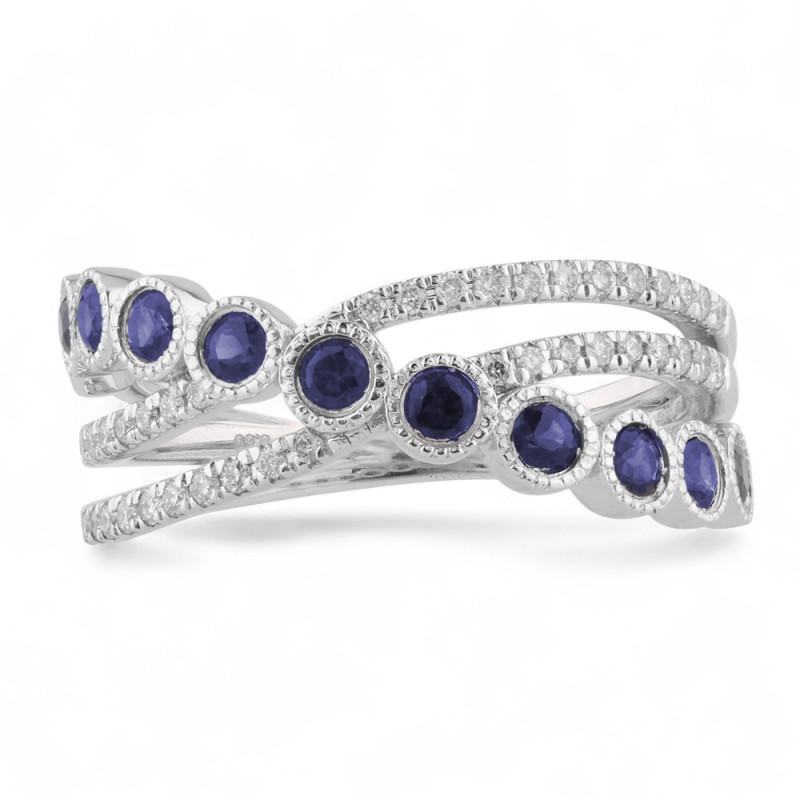
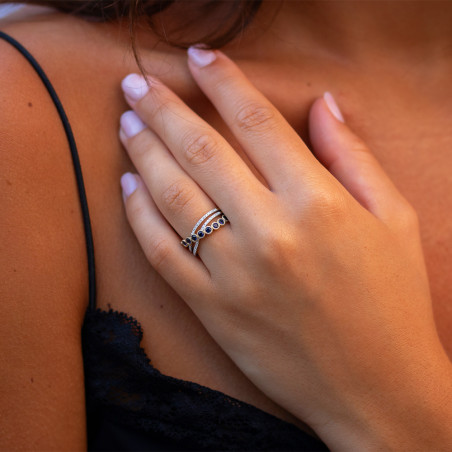
At Celinni, our collection of sapphire, ruby, and emerald solitaire rings includes several refined designs combining sapphires with natural diamonds for exceptional brilliance and timeless elegance.
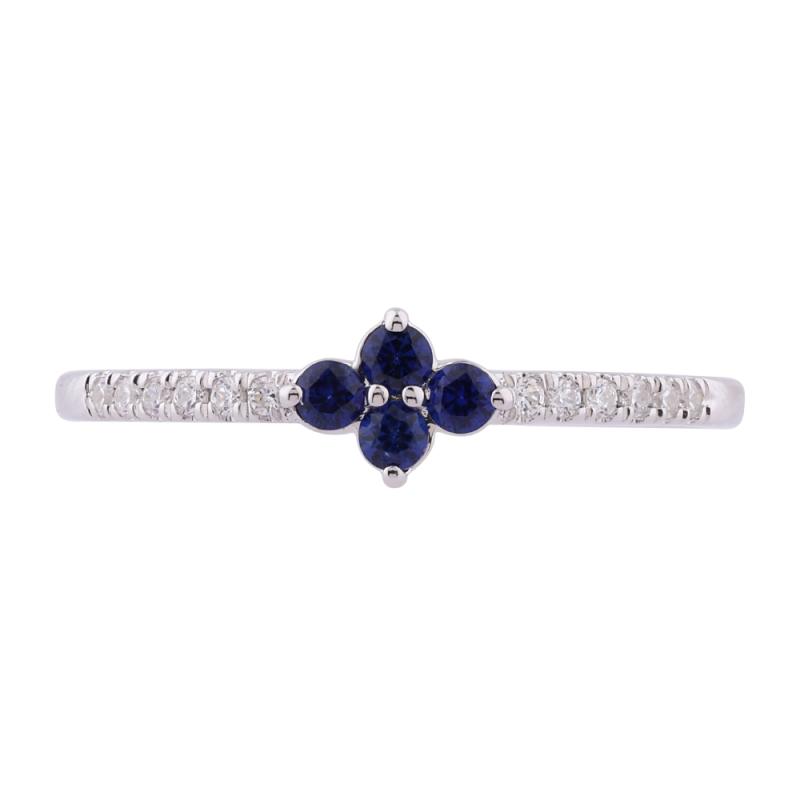
Maëlle Blue Sapphire and Natural Diamond Ring in 18K Gold
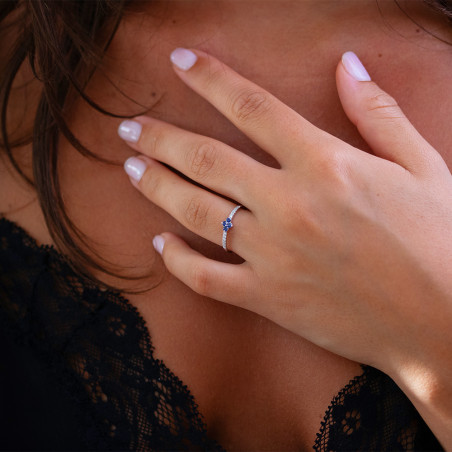
Mia 18K Gold Ring with Blue Sapphires and Natural Diamonds
Megane Round Blue Sapphire and Natural Diamond Ring in 18K Gold
Lou Pink Sapphire and Natural Diamond Ring in 18K Gold
Lina Blue Sapphire and Natural Diamond Ring in 18K Gold
Promesse Natural Blue Sapphire Solitaire Ring in 18K Gold
Eternal Natural Blue Sapphire Solitaire Ring in 18K Gold
Chloe Natural Blue Sapphire Solitaire Ring in 18K Gold
Ylana Natural Blue Sapphire Solitaire Ring in 18K Gold
Caring for and Maintaining Your Sapphire Engagement Ring
How to Clean a Sapphire Ring
Sapphire is a highly durable gemstone that responds very well to regular cleaning. The easiest method is to soak your ring for a few minutes in lukewarm soapy water, then gently brush it with a soft-bristled toothbrush. Rinse thoroughly with clean water and dry with a soft, lint-free cloth.
Avoid ultrasonic cleaners if your gemstone has undergone fracture-filling treatments, as well as harsh chemicals such as bleach or acetone. It is also recommended to remove your ring during intense manual activities or sports.
How Long Does a Sapphire Engagement Ring Last?
A sapphire engagement ring crafted in 18K gold or platinum and properly maintained can last for generations without losing its brilliance. Annual inspections by a jeweler — including prong checks and polishing — help preserve the beauty and security of the setting.
Since sapphire is the second hardest gemstone after diamond, it is extremely resistant to everyday scratches and wear.
A Custom Sapphire Engagement Ring: The Ultimate Declaration of Love
Would you like to create a truly one-of-a-kind engagement ring? The bespoke jewelry workshop at Celinni supports you through every step of the process, from selecting your sapphire gemstone to delivering your finished ring.
Our expert jewelers work with you to design the perfect setting according to your style, preferences, and budget. A custom-made sapphire engagement ring guarantees a unique creation that exists nowhere else in the world.
To begin your journey, explore our complete engagement ring buying guide and discover everything you need to make the perfect choice.
FAQ — Sapphire Engagement Rings
Is Sapphire a Good Stone for an Engagement Ring?
Yes, sapphire is an excellent choice for an engagement ring. With a hardness of 9 on the Mohs scale (compared to 10 for diamond), it is highly resistant to scratches and daily wear. Sapphire is stronger than the vast majority of other precious gemstones, requires minimal maintenance, and retains its beauty over time.
What Is the Difference Between a Treated and Untreated Sapphire?
The vast majority of sapphires available on the market — over 90% — have undergone heat treatment to improve color and clarity. This treatment is permanent and widely accepted within the jewelry industry.
An untreated sapphire, clearly identified as such on a gemological certificate, is significantly rarer and therefore more valuable when quality is equal.
How Much Does a Sapphire Engagement Ring Cost?
The price of a sapphire engagement ring depends on several factors, including carat weight, color quality, gemstone origin, and the chosen precious metal.
Beautiful sapphire solitaire rings in 18K gold can start from around €800 to €1,500, while exceptional high jewelry creations featuring rare untreated sapphires may reach tens of thousands of euros.
Which Sapphire Color Should You Choose for an Engagement Ring?
Blue sapphire remains the most iconic and symbolic choice for engagement rings. For a softer and more romantic style, pink sapphire has become increasingly popular.
For those seeking originality, padparadscha sapphires with pink-orange hues, as well as yellow or violet sapphires, offer extraordinary alternatives. Ultimately, the ideal sapphire color should reflect the personality and style of the person who will wear the ring.
Can You Wear a Sapphire Ring Every Day?
Absolutely. Sapphire’s exceptional hardness makes it one of the best gemstones for everyday wear. A few simple precautions are recommended: remove the ring during activities that may expose it to strong impacts, such as gardening, contact sports, or heavy manual work, and avoid household chemicals.
An annual professional inspection by a jeweler helps ensure the long-term durability of the ring.
What Is the Difference Between a Blue Sapphire and a Ruby?
Ruby and sapphire are both varieties of the same mineral: corundum. The only difference lies in their color.
When corundum is red, it is classified as a ruby. When it appears in any other color — blue, pink, yellow, green, or violet — it is called a sapphire.
Ruby obtains its red color from chromium, while blue sapphire owes its color to the presence of iron and titanium.
Melanie Blue Sapphire Ring in 18K Gold with Natural Diamond Halo
Karima Blue Sapphire and Natural Diamond Ring in 18K Gold
Luna Blue Sapphire and Natural Diamond Ring in 18K Gold
Marta Blue Sapphire and Natural Diamond Ring in 18K Gold
Marthe Blue Sapphire and Natural Diamond Ring in 18K Gold
Marguerite© Oval Blue Sapphire Ring in 18K Gold and Natural Diamonds
Marguerite© Blue Sapphire and Natural Diamond Ring in 18K Yellow Gold
Joséphine Blue Sapphire and Natural Diamond Ring in 18K Gold
Justine Blue Sapphire and Natural Diamond Ring in 18K Gold
Marine Pink Sapphire and Natural Diamond Ring in 18K Gold
Discover Our Related Articles
- How to Choose an Engagement Ring: The Complete Guide
- Precious Stone Engagement Rings: Sapphire, Ruby, and Emerald
- Vintage Solitaire Engagement Rings: Timeless Charm Reimagined
- 18K White Gold Engagement Rings: Elegance and Modernity
- 18K Yellow Gold Engagement Rings: The Return of Vintage Style
- Celinni Bespoke Workshop: Create the Ring of Your Dreams
- Celinni Diamond Guide: Understanding the World’s Most Precious Stone


.png)


.avif)