Diamond tennis bracelet: why is it called a tennis bracelet?
,
Know your jewelry
The tennis bracelet, also known as a diamond line bracelet, is one of the most timeless pieces of diamond jewellery. Understated yet elegant, it can elevate virtually any outfit and has remained in style through changing trends. But behind its unusual name, combining the worlds of sport and luxury, lies an anecdote that has become legendary. So how did the tennis bracelet get its name, and more importantly, how should you choose one today? Maison Celinni, diamond experts since 1967, shares its story and guides you through choosing the perfect piece.
What exactly is a tennis bracelet?
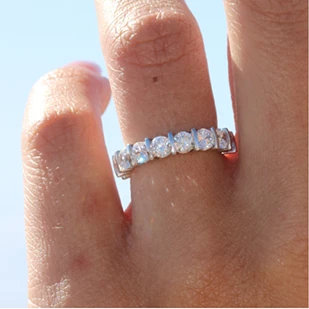
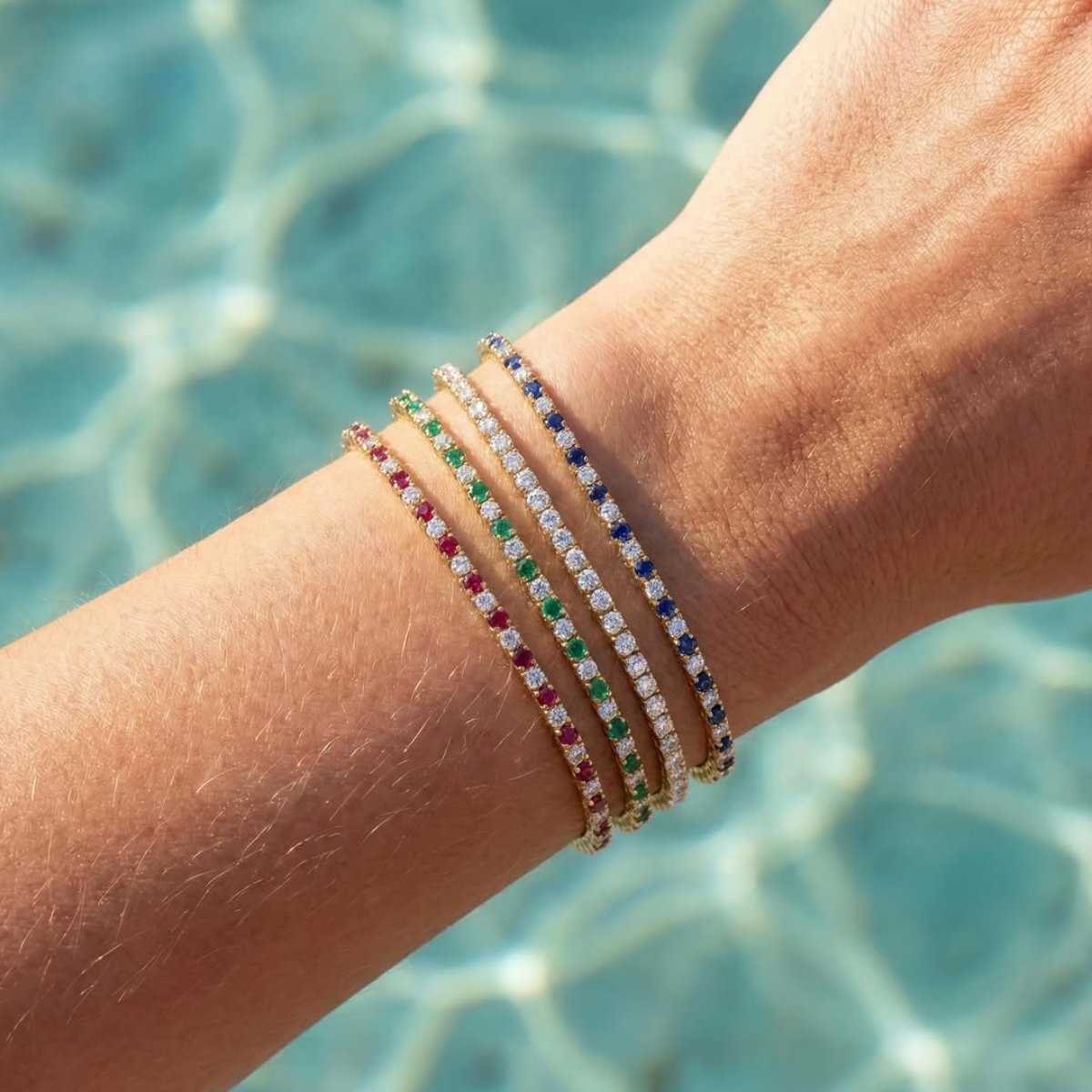
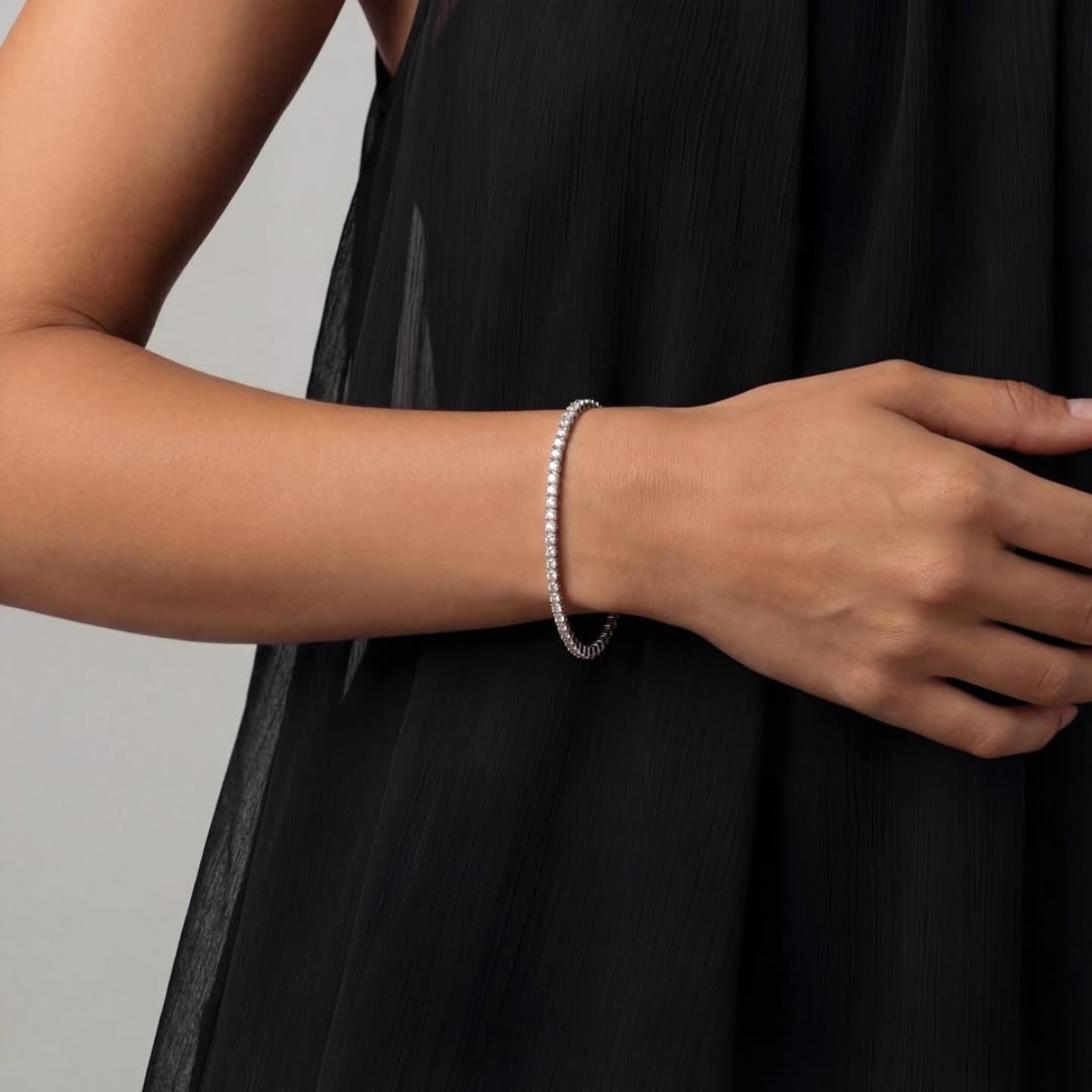
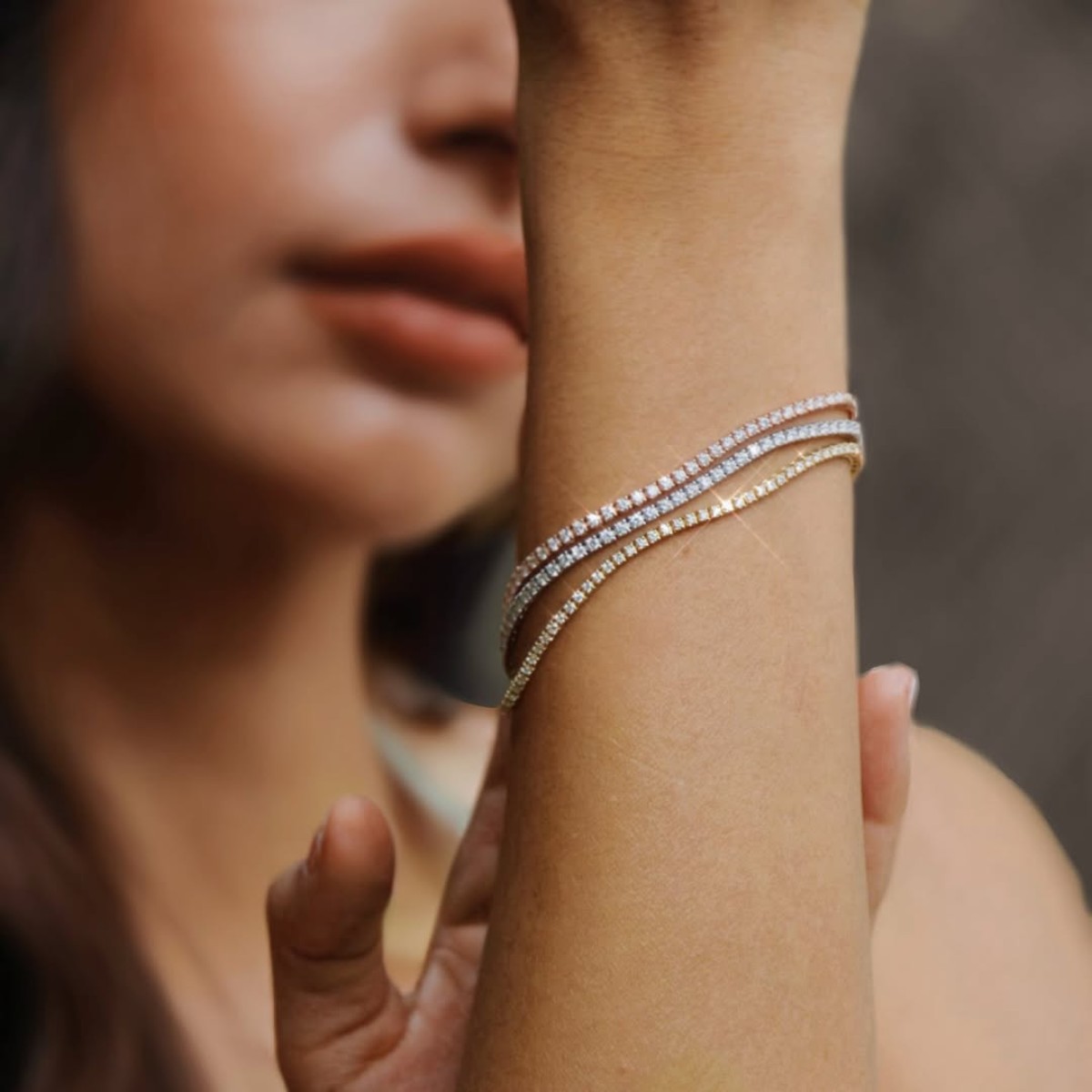
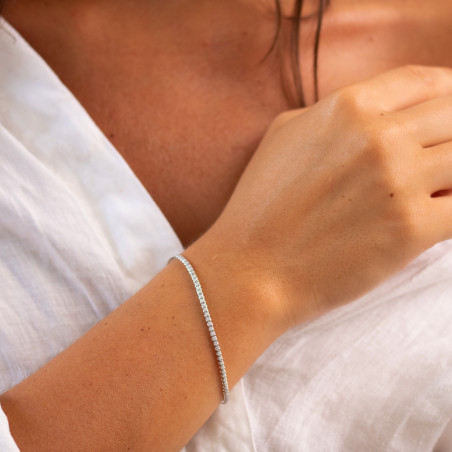
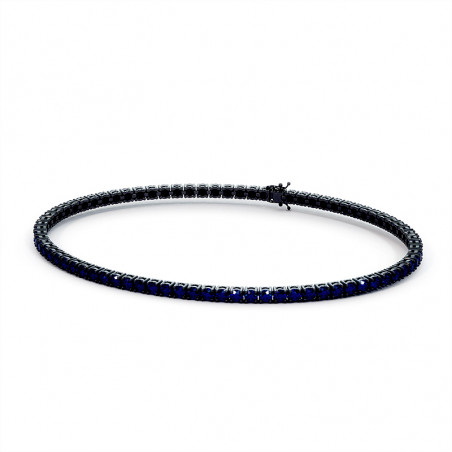
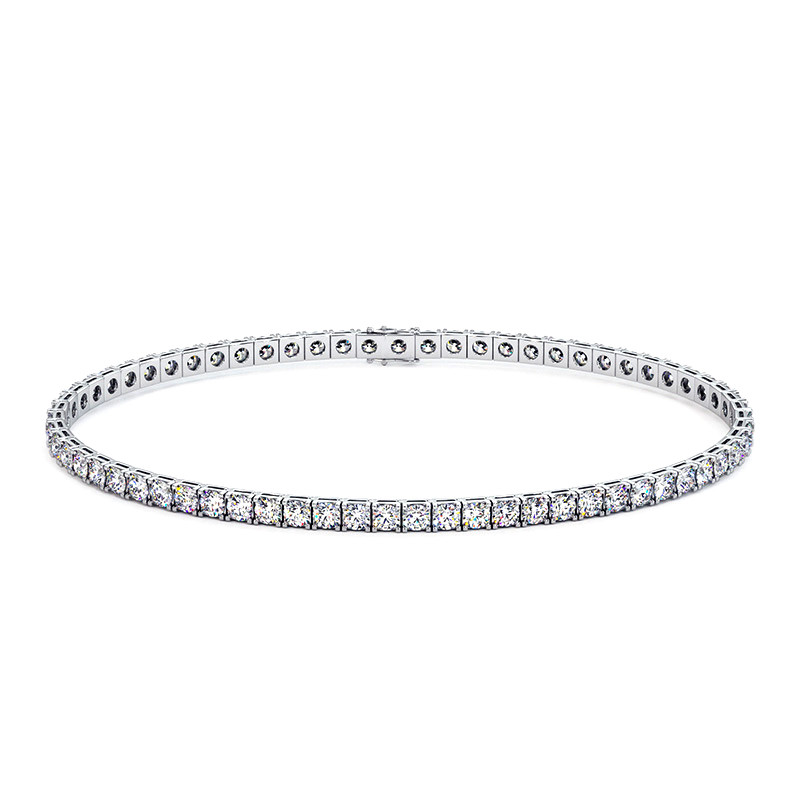
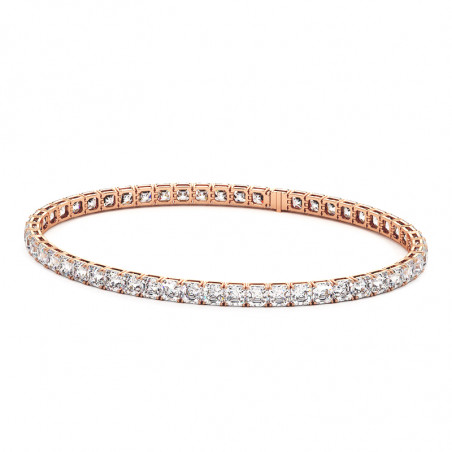
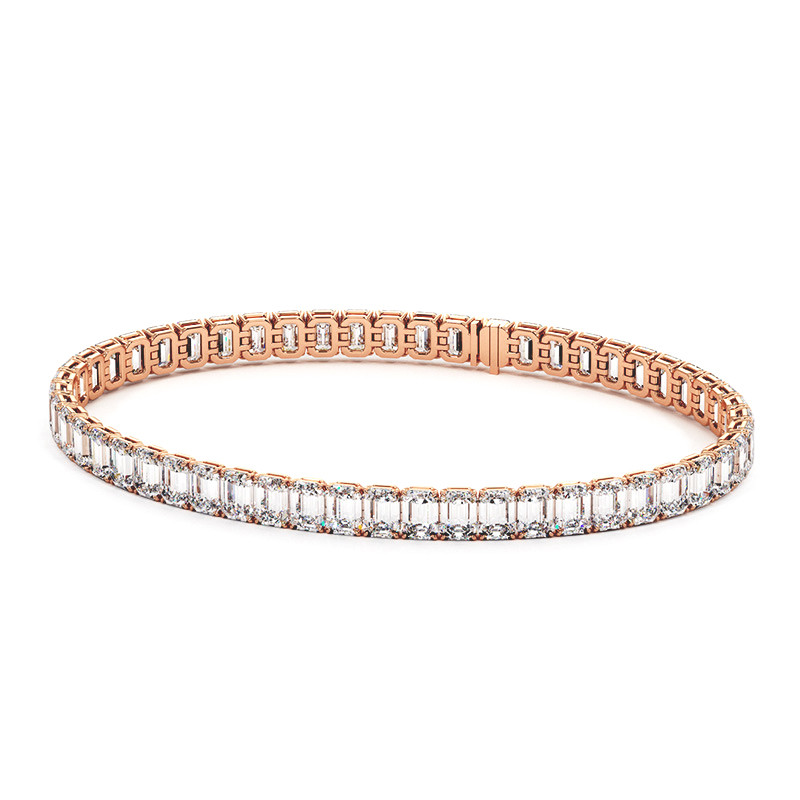
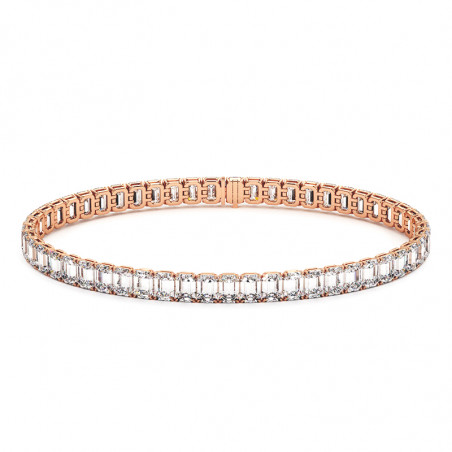
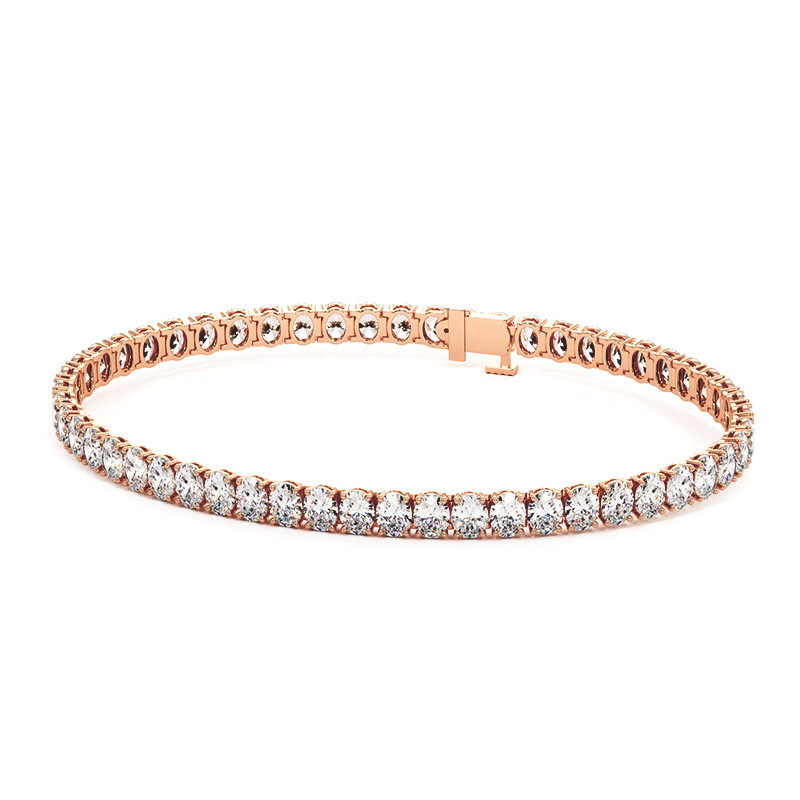
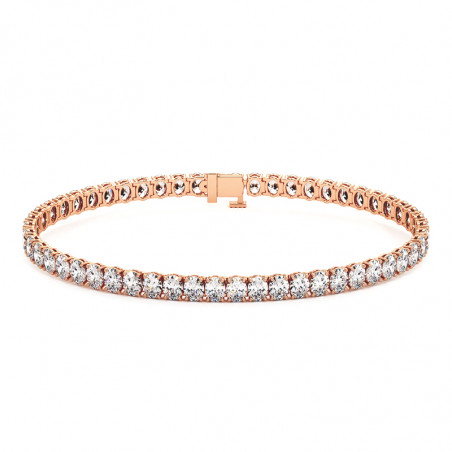
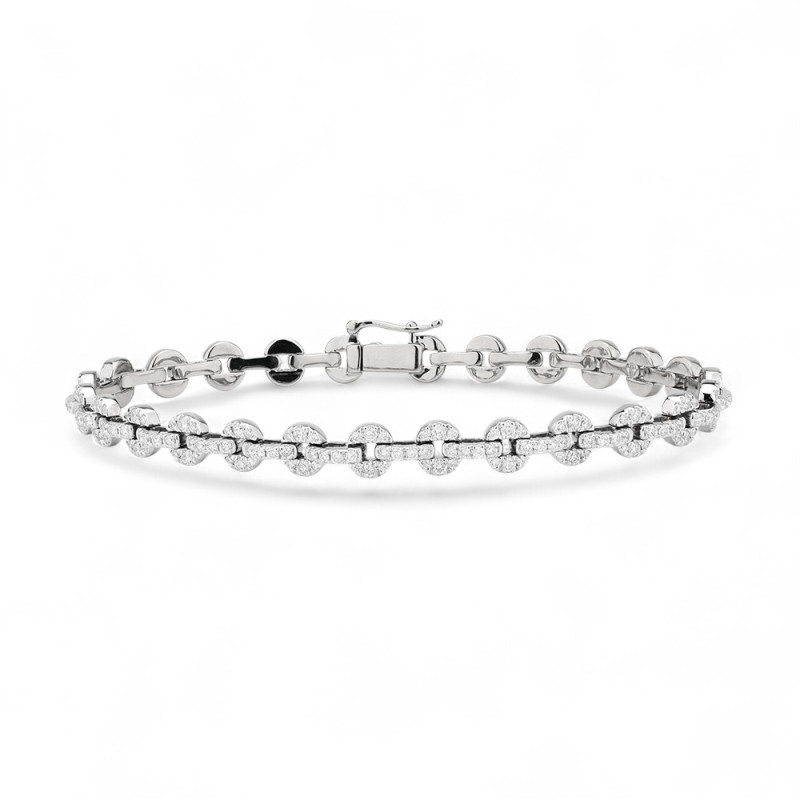
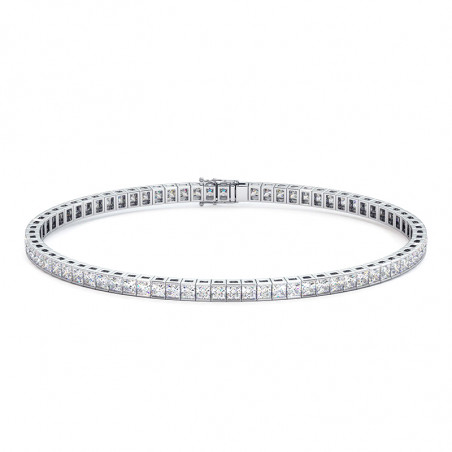
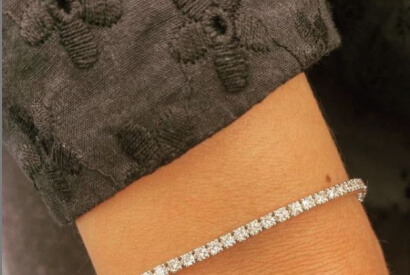
A tennis bracelet, also known as a diamond line bracelet, is an understated and elegant piece of jewellery featuring a continuous row of identically sized diamonds, individually set and linked together to create an uninterrupted line of brilliance. This is the most traditional version of the diamond line bracelet, although coloured gemstones such as sapphires or rubies can also be used to create a more distinctive piece.
What sets a tennis bracelet apart from a traditional link bracelet is precisely this continuity. Unlike a chain made up of metal links, each element of a tennis bracelet consists of a set gemstone, connected to the next by a discreet articulation system that allows the diamonds to take centre stage. This clean, minimalist design is one of the main reasons why the tennis bracelet has remained timeless.
Why is it called a tennis bracelet? The Chris Evert story
The diamond bracelet, traditionally known as a diamond line bracelet, owes its famous “tennis bracelet” nickname to an anecdote that has become legendary in the jewellery world. In 1978, during the US Open, professional tennis player Chris Evert was wearing her diamond bracelet during a match. In the middle of play, the clasp gave way and the bracelet slipped off her wrist, landing somewhere on the court. When she realised it was missing, Chris Evert asked for the match to be suspended until the piece of jewellery was found.
The interruption did not last long: the bracelet was recovered, and Chris Evert went on to win the match and later the tournament for the fourth time in her career. Widely reported by the sports media at the time, the incident helped establish the term “tennis bracelet” in everyday vocabulary, even among people who did not particularly follow the sport. Since then, the term has largely replaced the traditional name “diamond line bracelet” in everyday usage, particularly in English-speaking countries.
This story was far more than a marketing coincidence: it illustrates how recognisable the bracelet already was before the incident, to the point that a single sporting event was enough to give it a new and enduring name. Since then, many sporting personalities, including Serena Williams, have also been photographed wearing this type of bracelet, further strengthening the association between tennis and this iconic piece of jewellery over the years.
The diamond line bracelet before it became the “tennis bracelet”
Before this famous episode, the bracelet featuring a continuous line of diamonds was traditionally known as a diamond line bracelet, a name evoking the uninterrupted flow of light created by the aligned gemstones, reminiscent of sunlight shimmering across a river. The French term bracelet rivière is still widely used in France today alongside the more international term “tennis bracelet”. Both terms refer to the same piece of jewellery: a bracelet composed of a continuous line of set gemstones, generally of identical size, finished with a secure clasp.
How to choose the right tennis bracelet
Diamond carat weight
The distinctive design of a tennis bracelet remains consistent, but its proportions can vary considerably from one model to another, making the piece either subtle or particularly striking. Delicate designs may feature diamonds with a total weight of around 1 carat, while more spectacular pieces can reach 16 carats or even more for exceptional creations. The right choice depends on both your budget and how you intend to wear the bracelet: a delicate diamond tennis bracelet is ideal for everyday wear, while a higher-carat design naturally lends itself to special occasions.
Metal and colour
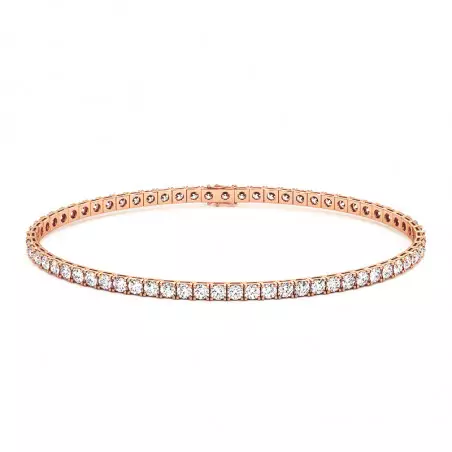
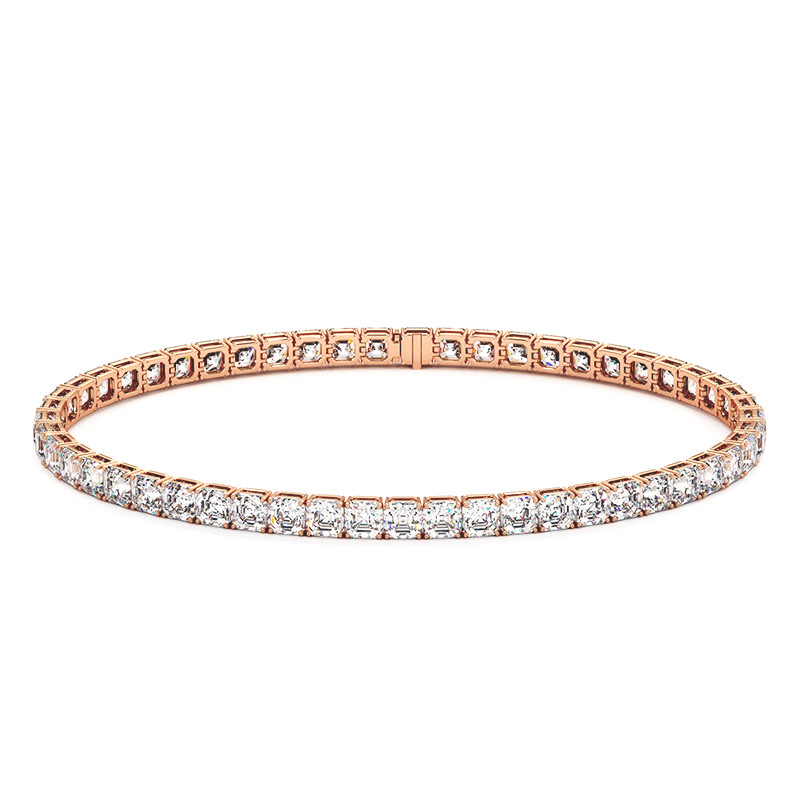
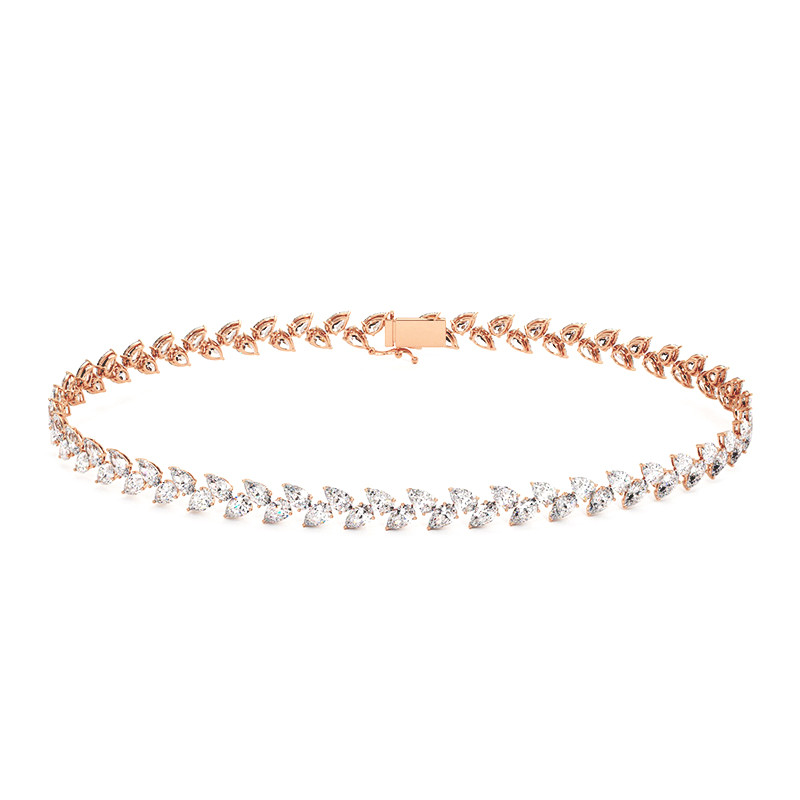
A tennis bracelet can be crafted in yellow gold, white gold or rose gold, with each metal creating a distinctly different look. White gold remains the most classic choice, as it enhances the colourless appearance and brilliance of the diamonds without drawing attention away from them, while yellow gold provides a warmer, more traditional aesthetic. Platinum, although less commonly used for tennis bracelets because of its higher cost, offers excellent durability over time.
Diamond shape
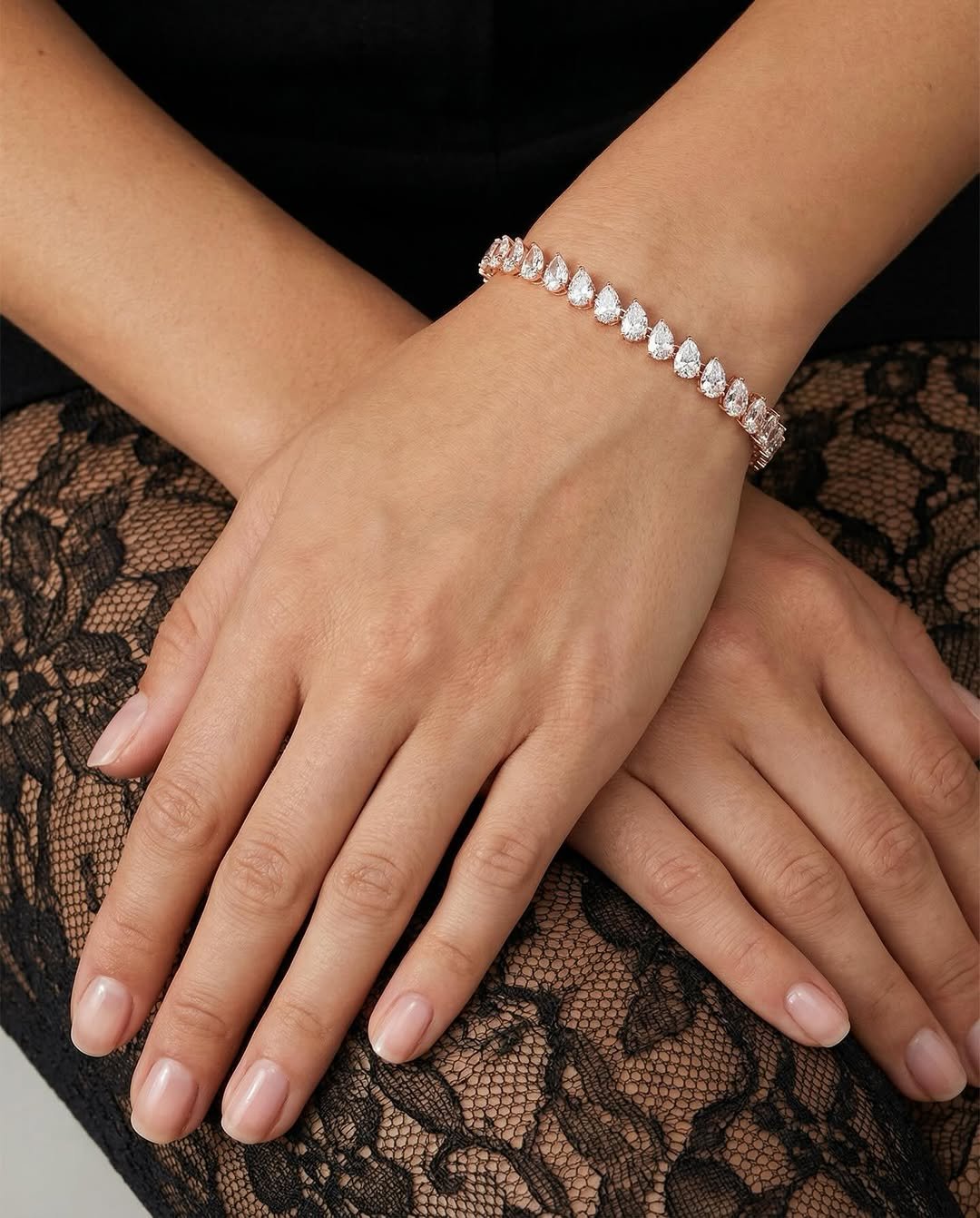
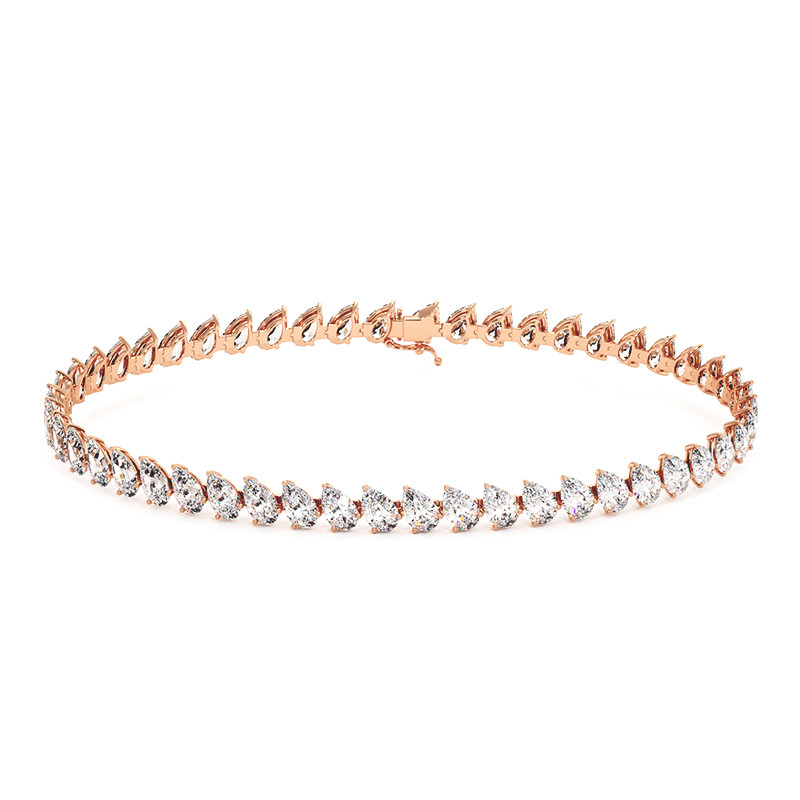
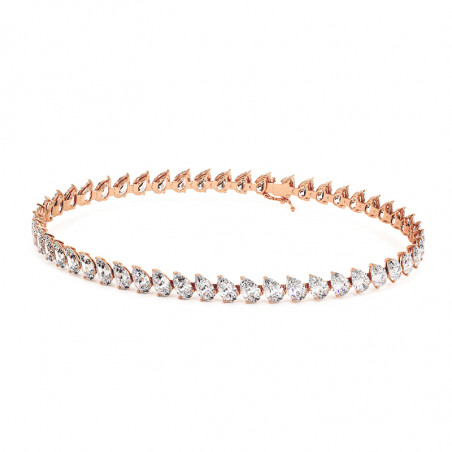
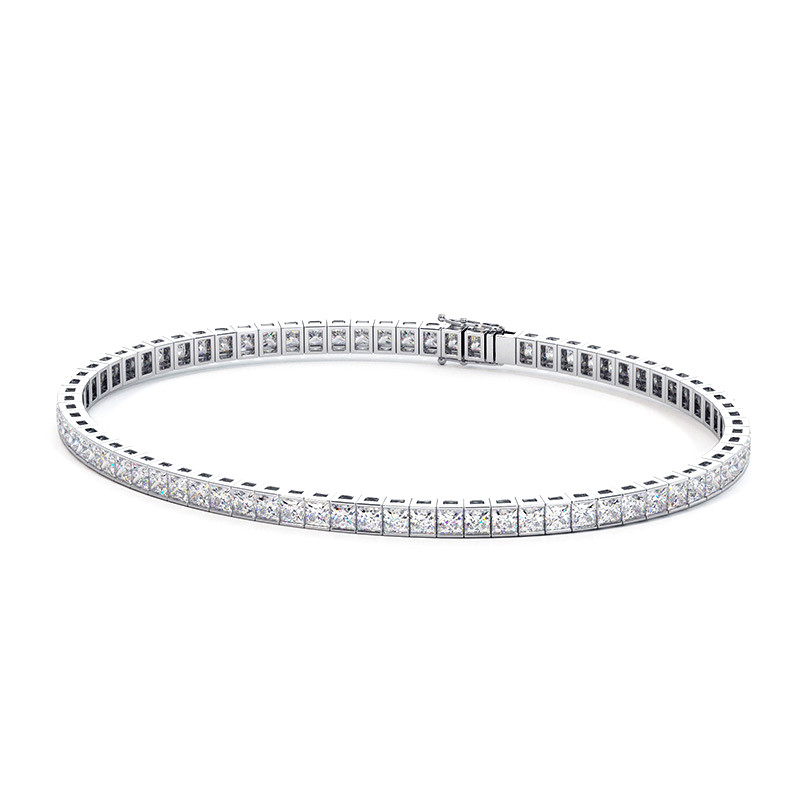
You can also choose princess-cut, emerald-cut or pear-shaped diamonds instead of the classic round brilliant cut, giving the tennis bracelet an entirely different character. Round diamonds remain the most popular choice because they offer an excellent balance of brilliance and visual consistency along the entire bracelet. Princess-cut or baguette-cut diamonds, meanwhile, appeal to those looking for a more structured, geometric and contemporary style.
Bracelet width and wrist size
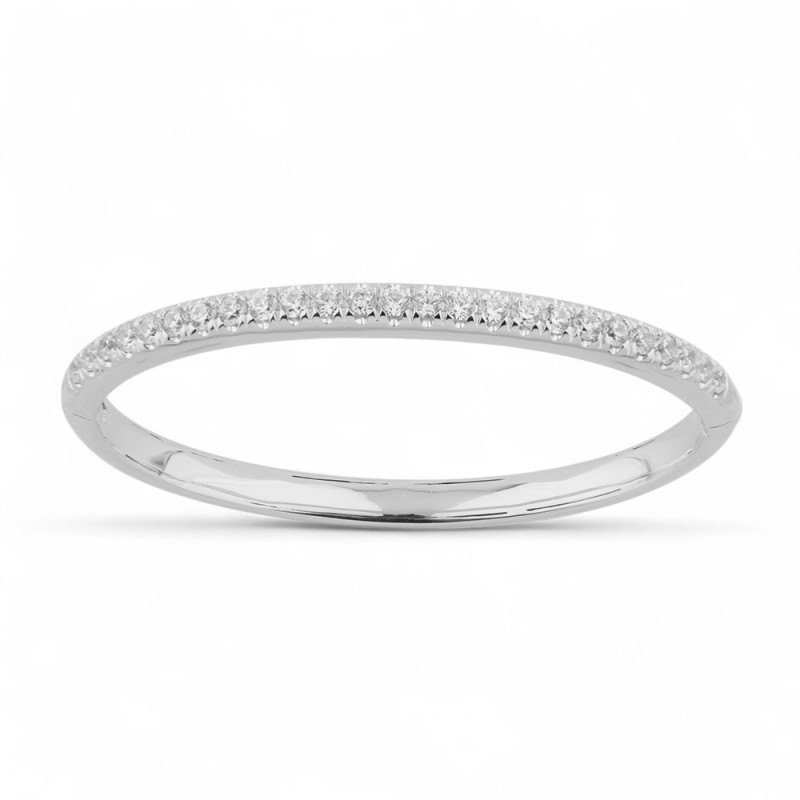
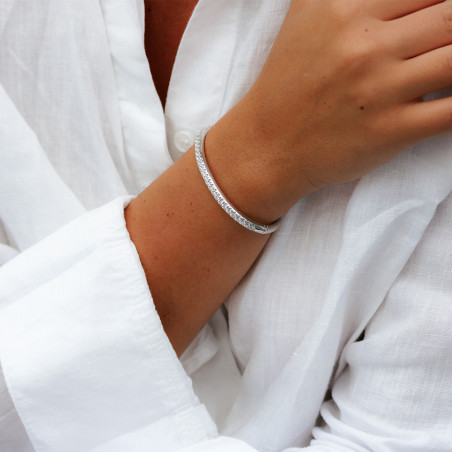
Choosing the right tennis bracelet ultimately comes down to both personal taste and wrist proportions. More delicate designs are generally well suited to slender wrists, where an overly wide bracelet may appear disproportionate, while wider, more generously diamond-set designs tend to complement larger wrists. However, personal preference remains the most important consideration: a bold diamond tennis bracelet can look striking on a slender wrist, just as a more delicate design can work beautifully on a larger one.
How much should you budget for a tennis bracelet?
The price of a tennis bracelet mainly depends on the total diamond carat weight, diamond quality (colour and clarity), and the metal chosen. Here are the price ranges generally observed:
- Delicate tennis bracelet, approximately 1 to 2 total carats: from €1,500 to €3,000
- Classic tennis bracelet, 3 to 5 total carats: between €3,000 and €8,000
- Statement tennis bracelet, over 5 total carats: from €8,000, depending on diamond quality
The quality of each individual diamond also matters. A bracelet set with numerous small, high-quality diamonds may cost more than a design featuring fewer diamonds of lower quality, even when both have the same total carat weight.
How to wear a tennis bracelet every day
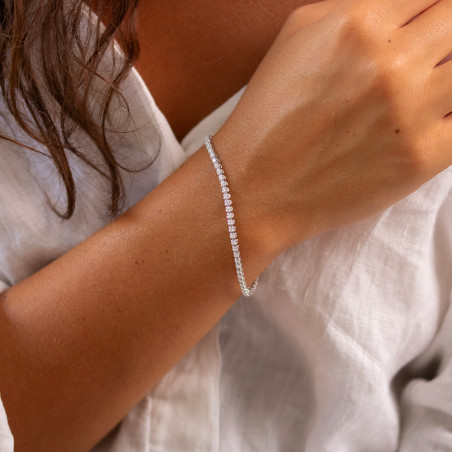
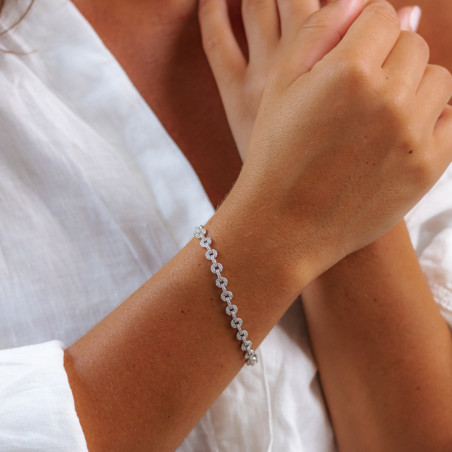
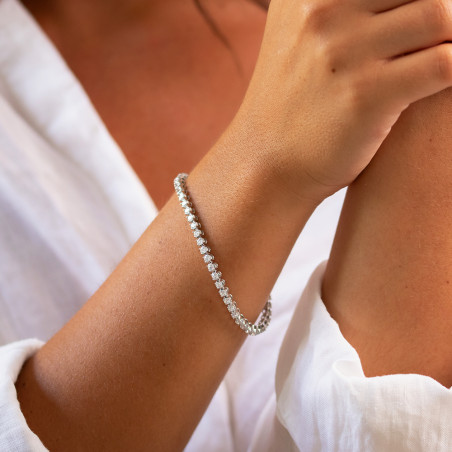
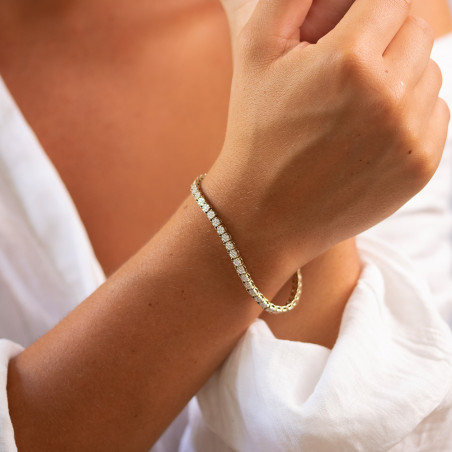
One of the main advantages of a tennis bracelet is its ability to complement both daytime and evening outfits, which largely explains its status as a timeless jewellery piece. It can be worn on its own for an understated and elegant look, or paired with other bracelets as part of a bracelet stack. When layering, however, it is best to combine it with more discreet pieces so that the brilliance and visual impact of the tennis bracelet remain the focal point.
For professional settings, a slim and understated tennis bracelet is generally the most suitable choice, while a more generously diamond-set design is ideal for dinners, celebrations and formal events. Unlike some more delicate pieces of jewellery, its articulated construction and secure safety clasp also make it suitable for regular everyday wear, provided that it is properly maintained.
How to care for a tennis bracelet
Because of its articulated construction and numerous individual diamond settings, a tennis bracelet requires slightly more careful maintenance than a solid piece of jewellery:
- Clean it once or twice a month using a mixture of lukewarm water and mild soap. Use a soft-bristled brush to gently clean between each set diamond.
- Rinse thoroughly and dry with a lint-free cloth to prevent moisture from becoming trapped around the settings.
- Have the safety clasp regularly inspected by your jeweller, particularly if you wear the bracelet every day. Wear and tear on the fastening mechanism is one of the main risks of losing this type of bracelet.
- Avoid direct impacts and remove your tennis bracelet before strenuous manual activities, as its individual settings are more exposed to knocks and snagging than those of a solid piece of jewellery.
Diamond or coloured gemstone tennis bracelet: which should you choose?
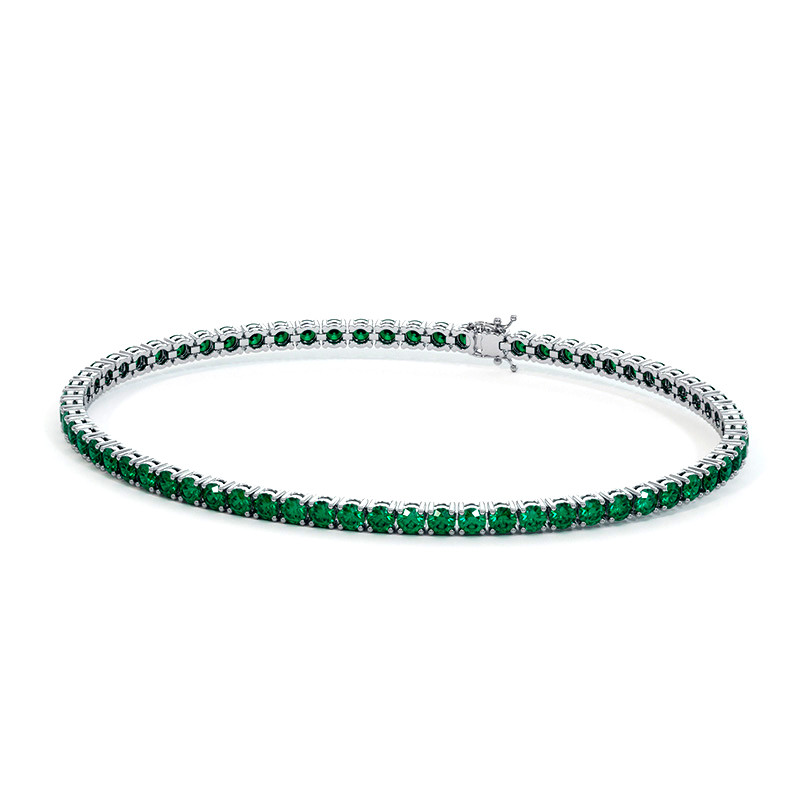
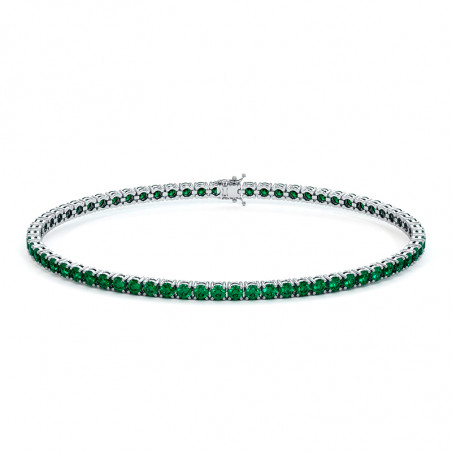
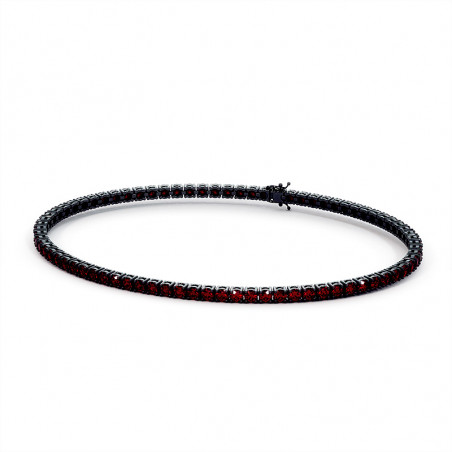
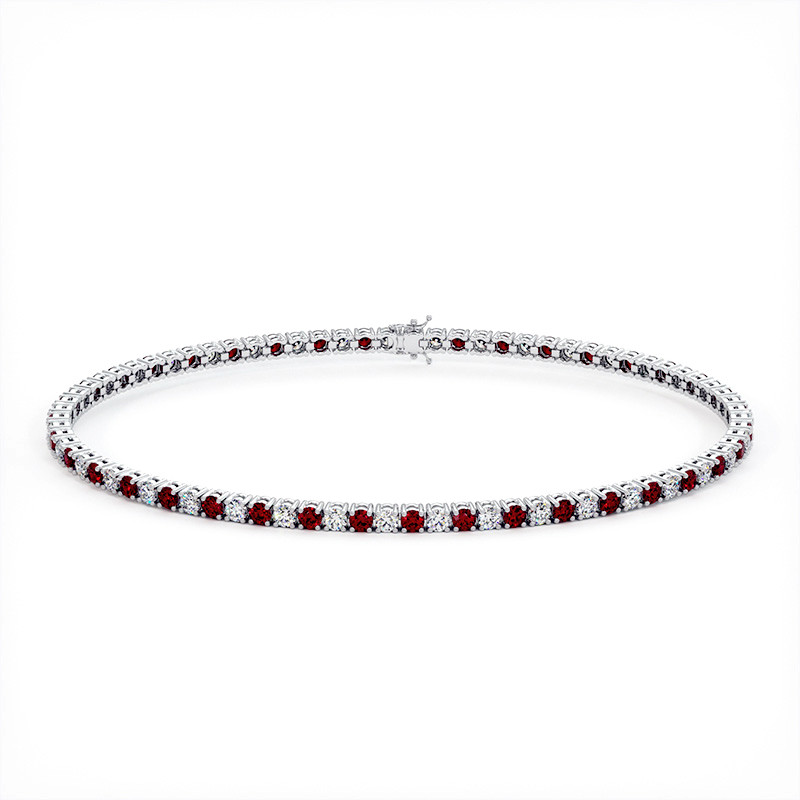
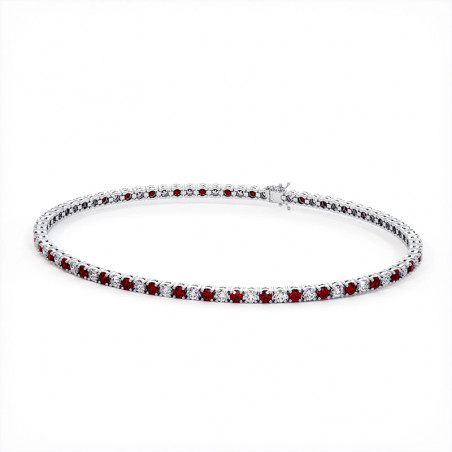
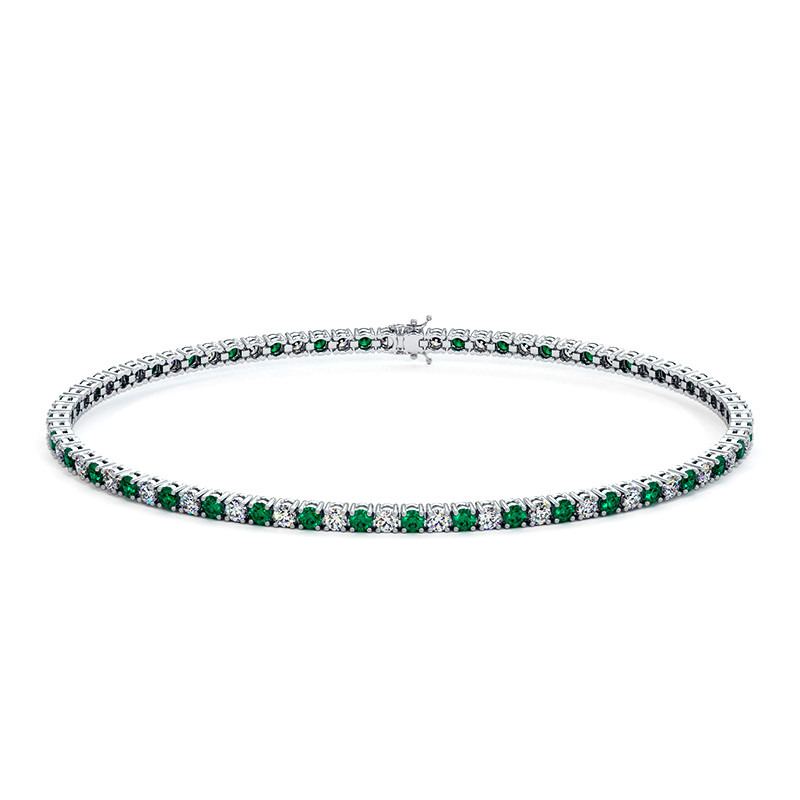
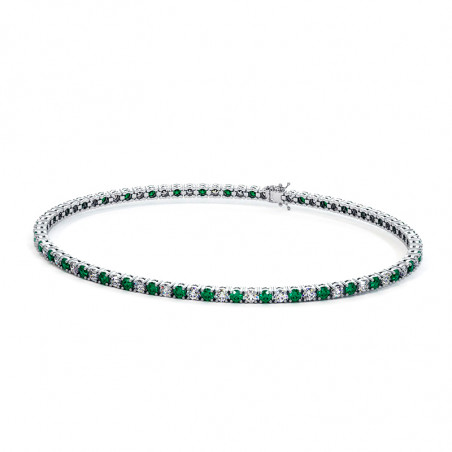
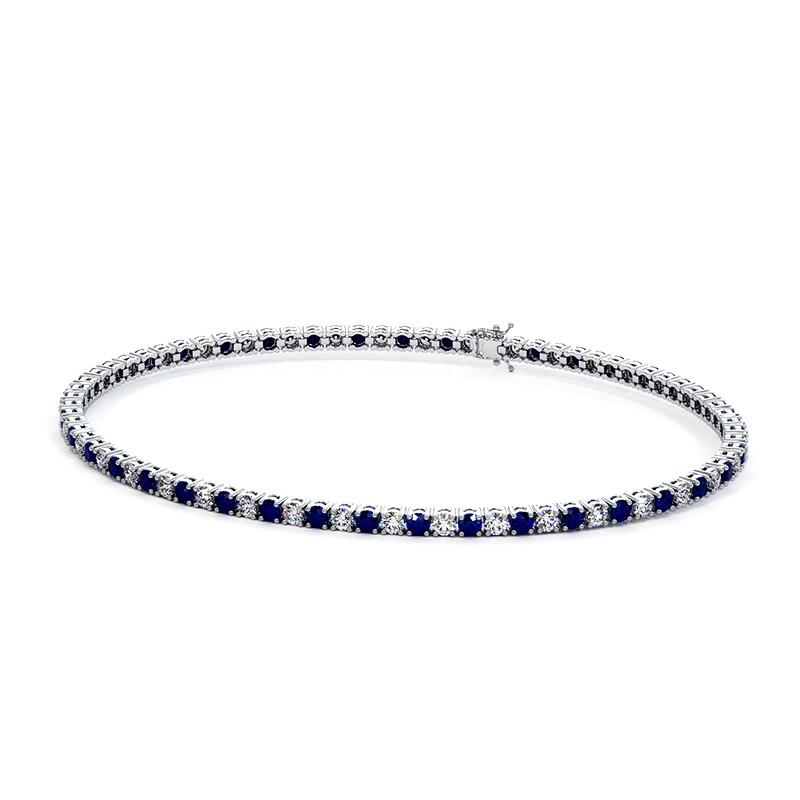
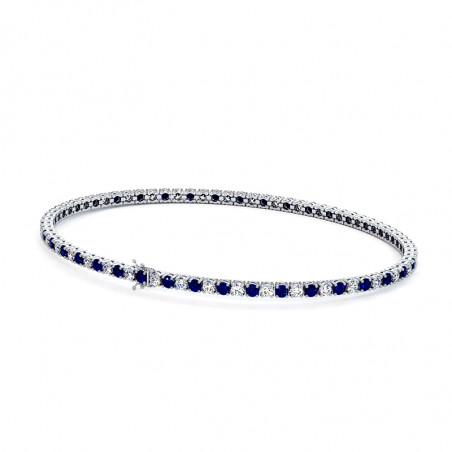
Although diamonds remain the gemstones most closely associated with tennis bracelets, you can also choose a combination of different precious gemstones for a more distinctive design. Blue sapphires, rubies or emeralds can replace all or part of the diamond line, or alternate with diamonds to create a more colourful effect. This variation is particularly appealing to those who want an alternative to an all-diamond tennis bracelet without sacrificing the iconic continuous-line aesthetic that defines this piece of jewellery.
Tennis bracelets: an iconic piece worn far beyond the tennis court
Although the famous Chris Evert story is behind the bracelet's name, the tennis bracelet has long since moved beyond the world of sport to become a red-carpet and high-fashion staple. Tennis champion Serena Williams has regularly been photographed wearing this iconic piece, maintaining the symbolic connection between tennis and the bracelet. However, numerous personalities from other fields, from film to music, have also helped popularise the tennis bracelet outside the sporting world, wearing it as a fine jewellery piece in its own right, both at formal events and as part of more casual everyday looks.
This dual identity — rooted in sporting history yet associated with sophisticated fine jewellery — largely explains why the tennis bracelet continues to appeal across generations without ever going out of style, unlike designs more closely tied to short-lived fashion trends.
How much should you budget for a tennis bracelet?
The price of a tennis bracelet mainly depends on the total diamond carat weight, diamond quality (colour and clarity), and the metal chosen. Here are the price ranges generally observed:
- Delicate tennis bracelet, approximately 1 to 2 total carats: from €1,500 to €3,000
- Classic tennis bracelet, 3 to 5 total carats: between €3,000 and €8,000
- Statement tennis bracelet, over 5 total carats: from €8,000, depending on diamond quality
The quality of each individual diamond also matters. A bracelet set with numerous small, high-quality diamonds may cost more than a design featuring fewer diamonds of lower quality, even when both have the same total carat weight.
How to wear a tennis bracelet every day
One of the main advantages of a tennis bracelet is its ability to complement both daytime and evening outfits, which largely explains its status as a timeless jewellery piece. It can be worn on its own for an understated and elegant look, or paired with other bracelets as part of a bracelet stack. When layering, however, it is best to combine it with more discreet pieces so that the brilliance and visual impact of the tennis bracelet remain the focal point.
For professional settings, a slim and understated tennis bracelet is generally the most suitable choice, while a more generously diamond-set design is ideal for dinners, celebrations and formal events. Unlike some more delicate pieces of jewellery, its articulated construction and secure safety clasp also make it suitable for regular everyday wear, provided that it is properly maintained.
How to care for a tennis bracelet
Because of its articulated construction and numerous individual diamond settings, a tennis bracelet requires slightly more careful maintenance than a solid piece of jewellery:
- Clean it once or twice a month using a mixture of lukewarm water and mild soap. Use a soft-bristled brush to gently clean between each set diamond.
- Rinse thoroughly and dry with a lint-free cloth to prevent moisture from becoming trapped around the settings.
- Have the safety clasp regularly inspected by your jeweller, particularly if you wear the bracelet every day. Wear and tear on the fastening mechanism is one of the main risks of losing this type of bracelet.
- Avoid direct impacts and remove your tennis bracelet before strenuous manual activities, as its individual settings are more exposed to knocks and snagging than those of a solid piece of jewellery.
Diamond or coloured gemstone tennis bracelet: which should you choose?
Although diamonds remain the gemstones most closely associated with tennis bracelets, you can also choose a combination of different precious gemstones for a more distinctive design. Blue sapphires, rubies or emeralds can replace all or part of the diamond line, or alternate with diamonds to create a more colourful effect. This variation is particularly appealing to those who want an alternative to an all-diamond tennis bracelet without sacrificing the iconic continuous-line aesthetic that defines this piece of jewellery.
FAQ — Diamond tennis bracelets
Why is a diamond line bracelet called a tennis bracelet?
The name comes from an incident during the 1978 US Open, when tennis player Chris Evert lost her diamond bracelet during a match and asked for play to be suspended until it was found. The event helped popularise the term “tennis bracelet”.
What is the difference between a tennis bracelet and a diamond line bracelet?
There is no difference: both names refer to the same piece of jewellery, featuring a continuous line of set diamonds. Bracelet rivière is the traditional French term, while “tennis bracelet” became popular following the famous 1978 incident.
How many carats should a tennis bracelet have?
Tennis bracelets generally range from around 1 carat for the most delicate designs to more than 5 carats for more substantial pieces, while exceptional high-jewellery creations can reach 16 carats or more.
What is the best metal for a tennis bracelet?
White gold remains the most classic choice for enhancing the colour and brilliance of diamonds, while yellow gold creates a warmer appearance and rose gold offers a softer, more romantic look.
Can you wear a tennis bracelet every day?
Yes. However, the safety clasp should be inspected regularly, as it is one of the main areas requiring attention on a tennis bracelet. Its articulated construction can also be more exposed to everyday wear than a solid piece of jewellery.
How much does a diamond tennis bracelet cost?
Prices generally start at around €1,500 for a delicate design and can reach several thousand euros for a more substantial bracelet, depending primarily on the total carat weight and the quality of the diamonds.
Can you create a bespoke tennis bracelet?
Yes. At Celinni, you can personalise the total carat weight, diamond shape, precious metal and exact bracelet length to create a bespoke tennis bracelet perfectly tailored to your wrist.









.png)


.avif)