Ceylon Sapphire: The Blue Gem of the Indian Ocean
,
Gemstone News
Nestled in the heart of the Indian Ocean lies a majestic island that holds a secret shimmering with vibrant blue brilliance. This treasure, steeped in centuries of history and legend, bears the ancient name of its homeland. Although other regions produce gemstones of remarkable beauty, few can rival the distinctive clarity and captivating blue hues associated with this extraordinary stone. Sought after by royalty, coveted by collectors and admired by lovers of natural beauty, this precious gem reflects the rich culture and heritage of its place of origin.
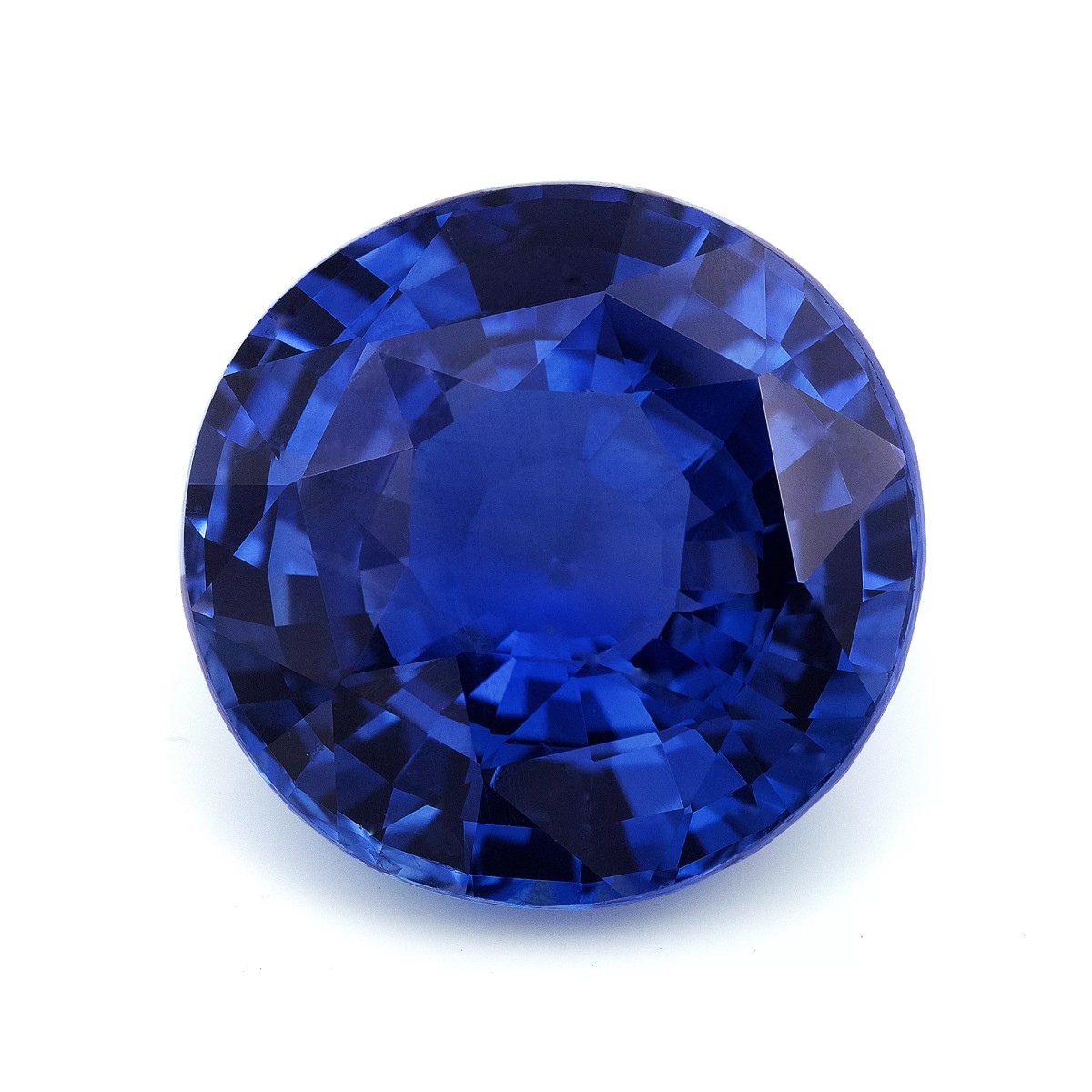
This priceless treasure from the island of Sri Lanka is none other than the Ceylon sapphire. Renowned for their brilliant blue color, these gemstones are true wonders of nature, highly prized by collectors and jewelry enthusiasts worldwide. Their reputation dates back thousands of years, during which these precious stones have played a significant role in royal collections, political intrigue and the desires of fine jewelry connoisseurs. At Celinni, we believe every gemstone has a story worth telling. Discover our comprehensive guide to this exceptional precious stone.
The name "Ceylon" is the historical name of Sri Lanka. Before the island officially became known as Sri Lanka in 1972, it was internationally recognized as Ceylon. This historical designation remains widely used today, particularly in the world of gemstones. Sapphires mined on the island continue to be known as Ceylon sapphires, a name associated with quality, authenticity and a centuries-old gemstone tradition.
The Maharaja of Jaipur, a renowned gemstone connoisseur, once reportedly declared: "The Ceylon sapphire is to Sri Lanka what wine is to France: an enduring symbol of prestige, excellence and cultural identity."
This statement highlights not only the exceptional value of this gemstone but also the pride with which it is associated with its country of origin. Let us explore the fascinating history, distinctive characteristics and unique position of the Ceylon sapphire in the world of precious gemstones.
1. The Rich History of Ceylon Sapphires
Since ancient times, Sri Lanka has been recognized as one of the world's most important sources of natural sapphires. Long before European navigators began referring to the island as "Ceylon", it was already known to ancient merchants and explorers, not only for its spices and lush landscapes but also for its extraordinary wealth of precious gemstones. This remarkable gemological heritage earned the island the name "Ratna-Dweepa", meaning "Island of Gems".
Sri Lanka's long-standing tradition of gemstone trading is truly remarkable. As early as the Vedic period, merchants traveled through the island's mountains and valleys in search of these radiant treasures. Ceylon sapphires became associated with the royal treasures of India and Persia, while historical accounts also connect Sri Lankan gemstones with the ancient civilizations of Egypt. These traditions illustrate the island's extensive trading influence, which reached far beyond the Indian Ocean.
However, Ceylon sapphires are celebrated for more than their exceptional beauty. They are also surrounded by captivating myths and legends. According to one local tradition, these gemstones originated from the tears shed by Adam after his expulsion from the Garden of Eden. When his tears touched the island's soil, they were said to transform into magnificent sapphires.
Another legend tells of a shield adorned with sapphires whose brilliance was so intense that it could illuminate the darkness of night. These enchanting stories, filled with mystery and symbolism, give the Ceylon sapphire a cultural and spiritual significance that extends far beyond its material value.
This extraordinary history, spanning thousands of years, helps explain why Ceylon sapphires continue to hold a special place in the world of fine jewelry and gemology. More than simply precious gemstones, they represent the living heritage of an island whose identity has been closely connected to gemstone mining, craftsmanship and trade since antiquity.
2. The Distinctive Characteristics of Ceylon Sapphires
When thinking of a Ceylon sapphire, one image immediately comes to mind: a captivating blue gemstone with remarkable depth and vibrancy. This distinctive shade, often compared to the brilliant blue of the ocean on a summer day, results from the unique geological conditions found in Sri Lanka. Beyond their stunning color, natural Ceylon sapphires are also highly valued for their exceptional clarity. While many gemstones contain visible inclusions or imperfections, high-quality Ceylon sapphires often display remarkable transparency and a luminous, crystalline brilliance.
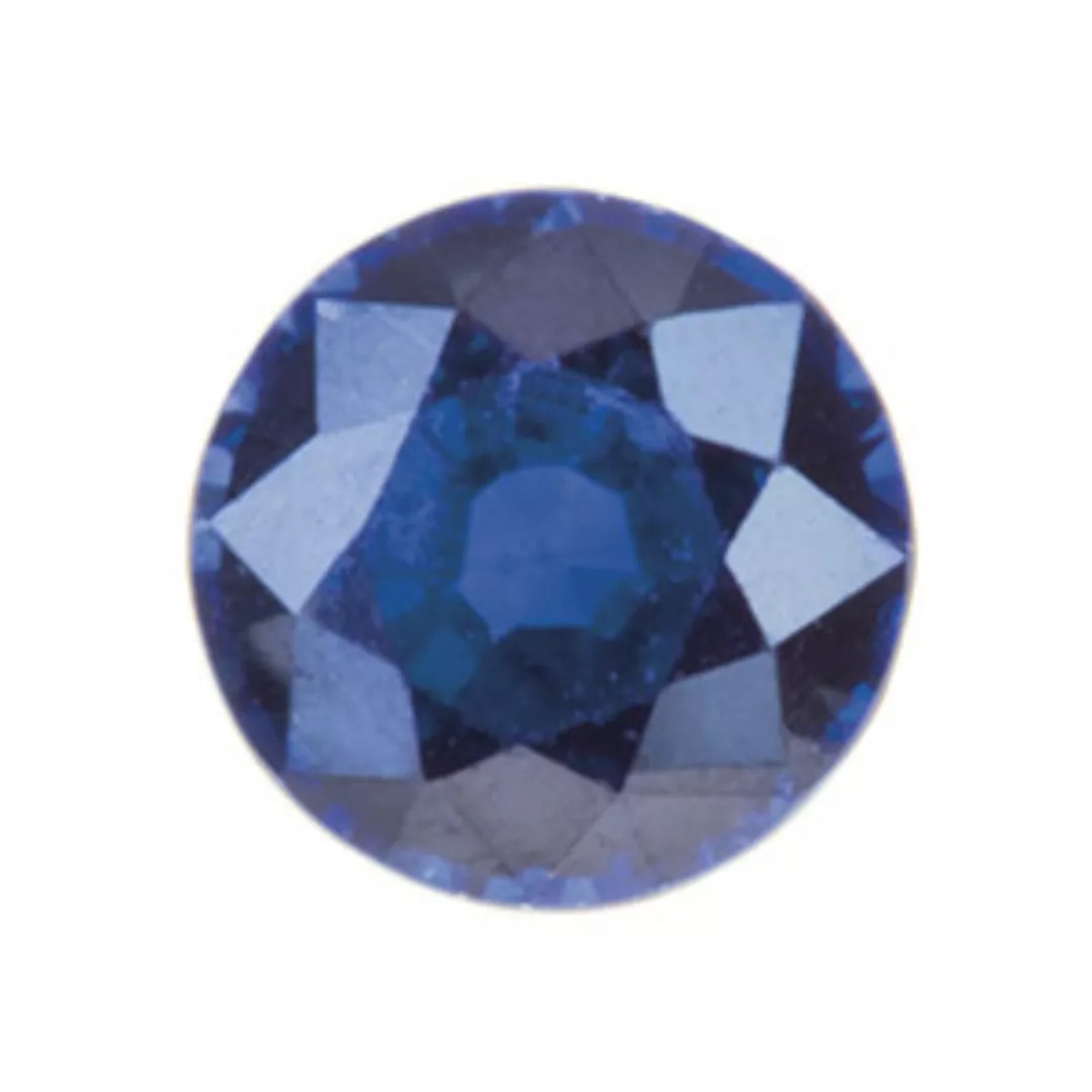
In comparison, although Madagascar sapphires are equally admired for their beauty, some exhibit darker, almost velvety blue tones. While the classic Ceylon blue sapphire evokes the sparkling waters of a tropical paradise, certain Madagascar sapphires recall the mysterious depths of the ocean. However, both origins can produce a wide range of blue shades, and color alone cannot reliably determine a sapphire's geographical origin. For gemstone connoisseurs, origin remains an important consideration in identification, rarity and valuation within the international colored gemstone market.
Color Variations of Ceylon Sapphires
Although blue is the most iconic color associated with Ceylon sapphires, these precious gemstones are available in a remarkable variety of shades. Sri Lanka is renowned for producing sapphires in several beautiful colors, each with its own distinctive appeal.
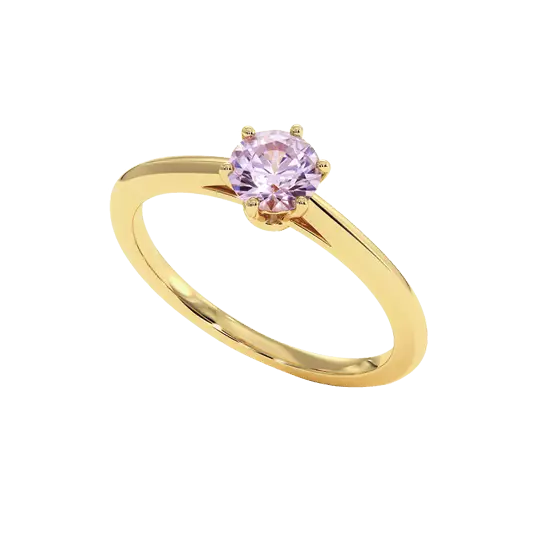
The pink sapphire, for example, is a highly sought-after gemstone symbolizing tenderness, romance and elegance. At Celinni, this delicate gemstone is also featured in our guide to the birthstone of June.
Sri Lanka is also known for its yellow, orange, green and purple sapphires. Particularly prized are the rare Padparadscha sapphires, admired for their delicate blend of pink and orange hues. As for red corundum, it is classified as ruby rather than sapphire, even though both gemstones belong to the same mineral family.
Each color variation reflects the extraordinary geological and mineral diversity of Sri Lanka, making the island a true treasure trove for gemstone collectors and fine jewelry enthusiasts.
3. The Art of Sapphire Cutting: Enhancing the Gemstone's Natural Beauty
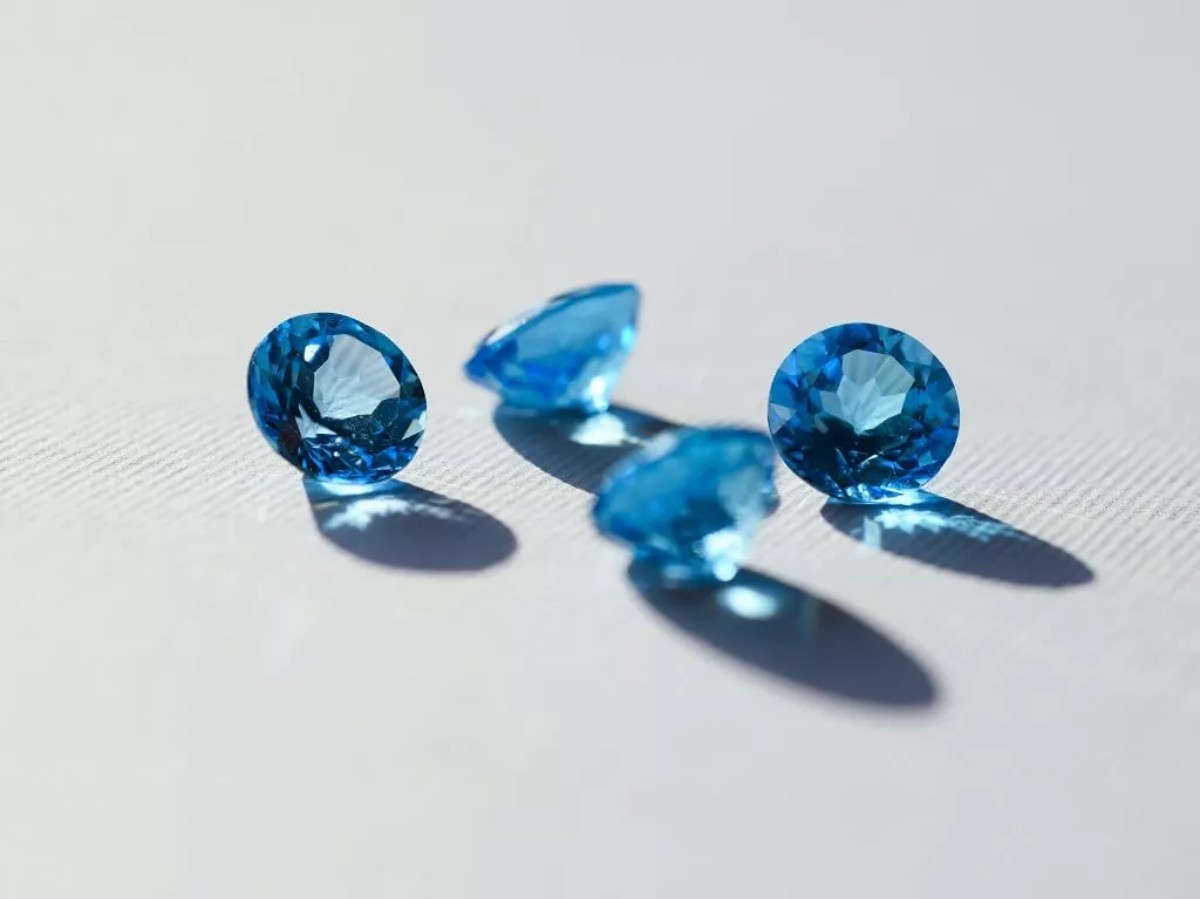
The beauty of a sapphire, although strongly influenced by its origin and natural characteristics, is also enhanced by the art of gemstone cutting. This meticulous craftsmanship reveals the stone's brilliance, depth of color and internal luminosity. For Ceylon sapphires, the quality of the cut is particularly important, as it can maximize their natural sparkle while highlighting their remarkable transparency and clarity.
Even small inclusions can influence how light travels through a gemstone, potentially affecting its brilliance. This is why experienced gemologists and jewelers pay close attention to the selection of high-quality Ceylon sapphires. Their goal is to identify gemstones that combine attractive color, good transparency and minimal visible inclusions.
Once a suitable gemstone has been selected, the cutting process begins. Skilled lapidaries carefully shape and polish the sapphire, taking into account its crystal structure, color distribution and natural proportions. Each facet is precisely positioned to optimize light reflection and reveal the gemstone's full visual potential.
In the fascinating world of gemology, the Gemological Institute of America (GIA) plays an important role in gemstone education, research and identification. Through its internationally recognized expertise, the GIA has contributed to a better understanding of sapphire quality, cutting characteristics and gemstone evaluation.
Whether a sapphire originates from Ceylon, Madagascar or another renowned mining region, professional gemological assessment helps identify its characteristics and evaluate its quality. The GIA also provides gemstone identification reports and, when possible, geographical origin determinations, helping buyers make informed decisions.
Thanks to the expertise of skilled gemstone cutters and gemologists, the Ceylon blue sapphire continues to captivate jewelry lovers worldwide, maintaining its reputation as one of the most admired precious gemstones.
At Celinni, our sapphire earrings and fine jewelry creations featuring precious gemstones reflect this same commitment to quality. We carefully consider the color, clarity and cut of each gemstone to create elegant jewelry pieces that showcase the natural beauty and brilliance of these exceptional stones.
4. Famous Ceylon Sapphires and Their Place in Popular Culture
Ceylon sapphires are admired not only for their exceptional natural brilliance but also for their lasting influence on jewelry history and popular culture. Several of these extraordinary gemstones have achieved worldwide recognition, celebrated for their remarkable beauty, royal connections and association with significant historical moments.
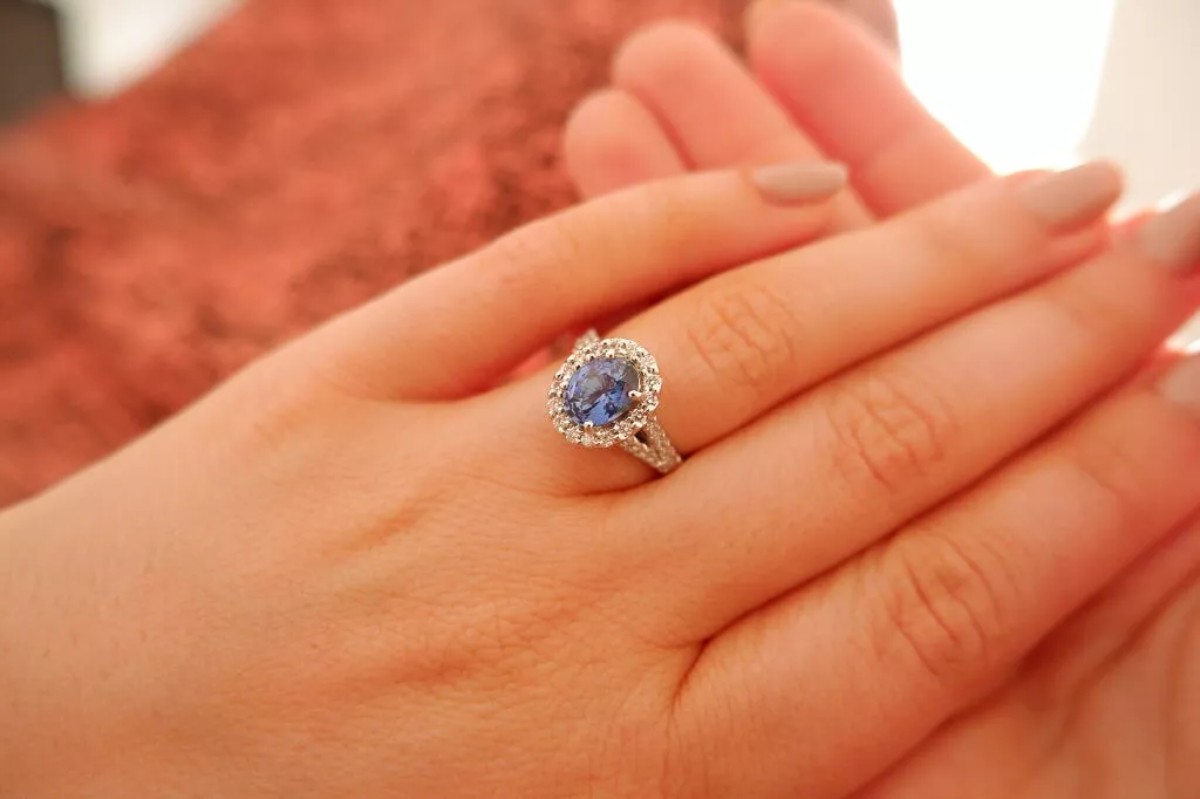
One of the most iconic examples is undoubtedly Princess Diana's engagement ring. This magnificent piece of royal jewelry features a stunning deep blue Ceylon sapphire surrounded by sparkling diamonds. More than a symbol of a royal engagement, the ring became one of the most recognizable pieces of sapphire jewelry in the world. Years later, the same engagement ring was presented to Catherine Middleton, now the Princess of Wales, further strengthening its status as a timeless symbol of royal elegance.
The influence of Ceylon blue sapphires extends far beyond royal families. Prestigious institutions such as the Smithsonian Institution in Washington, D.C., preserve remarkable gemstone collections, including exceptional sapphires originating from Sri Lanka. Displayed for visitors from around the world, these precious stones highlight the historical importance, natural beauty and enduring fascination associated with gemstones from the Indian Ocean.
With their rich heritage and close connections to royalty, history and culture, natural Ceylon sapphires remain enduring symbols of elegance, sophistication and mystery. Their captivating blue hues continue to inspire gemstone collectors, jewelry designers and enthusiasts worldwide.
If you are considering a sapphire engagement ring inspired by this royal tradition, explore our comprehensive guide on how to choose an engagement ring, where Celinni shares expert advice to help you find a piece that reflects your personal style and love story.
5. Ceylon Sapphire vs. Pink Sapphire vs. Kashmir Sapphire: What Are the Differences?
The fascinating world of sapphires extends far beyond the vibrant blue gemstones of Sri Lanka. Among the most prestigious varieties, Ceylon sapphires, Kashmir sapphires and pink sapphires each possess distinctive characteristics that make them highly desirable in the world of fine jewelry.
The Kashmir sapphire, originating from the Himalayan region, is renowned for its exceptional velvety blue color, often accompanied by a soft, slightly milky appearance. These gemstones are among the rarest and most valuable sapphires in the world, particularly because their historic deposits are now largely depleted.
By comparison, the Ceylon blue sapphire is often distinguished by its brighter, more luminous blue tones and remarkable transparency. Sri Lanka remains an active source of natural sapphires, making these gemstones generally more accessible than their Kashmir counterparts while still offering exceptional beauty, quality and prestige.
The pink sapphire, meanwhile, belongs to the same mineral family as blue sapphires: corundum. However, its delicate pink color results primarily from the presence of trace amounts of chromium within its crystal structure. This romantic gemstone is associated with tenderness, affection and elegance. At Celinni, the pink sapphire is also highlighted in our collection of birthstone guides, including our June birthstone feature.
Understanding the differences between these precious gemstones allows jewelry enthusiasts to appreciate the remarkable diversity of the corundum family. Whether admired for the velvety richness of Kashmir sapphires, the delicate charm of pink sapphires or the vibrant brilliance of Ceylon sapphires, each variety offers its own distinctive beauty.
Among them, the natural Ceylon sapphire remains one of the most iconic and sought-after gemstones, prized for its luminous color, rich history and timeless appeal in luxury jewelry.
6. What Gives Ceylon Sapphires Their Blue Color? The Geological Explanation
The captivating blue color of a Ceylon sapphire is not a coincidence. It is the result of an extraordinary geological process that took place over millions of years deep within the Earth's crust.
Like all sapphires, Ceylon sapphires belong to the corundum mineral family, a crystalline form of aluminum oxide that is naturally colorless when chemically pure. The presence of tiny amounts of trace elements, primarily iron and titanium, produces the characteristic blue coloration that makes these precious gemstones so highly admired.
The unique geological characteristics of Sri Lanka play an essential role in the formation of these remarkable gemstones. The island's underground formations contain ancient Precambrian metamorphic rocks, which provide favorable conditions for the development of high-quality corundum crystals.
Some of the most important Ceylon sapphire mining regions include Ratnapura, whose name literally means "City of Gems" in Sinhalese, and Elahera, located farther north. These regions have been associated with gemstone extraction for centuries and remain central to Sri Lanka's internationally recognized sapphire industry.
In many mining areas, natural sapphire extraction in Sri Lanka continues to rely on traditional techniques passed down through generations. Miners carefully excavate hand-dug shafts, commonly known as pits, to reach gem-bearing alluvial gravel deposits locally called illam.
Once these mineral-rich gravels have been extracted, they are washed, examined and sorted by hand to identify rough sapphires and other valuable gemstones. This meticulous process requires considerable experience, patience and a detailed understanding of the local geological environment.
These traditional gemstone mining methods contribute to the reputation for authenticity and craftsmanship associated with Sri Lankan Ceylon sapphires. They also reflect the deep connection between the island's communities and their centuries-old gemological heritage.
Although modern equipment is also used in certain mining operations, artisanal extraction remains an important part of Sri Lanka's gemstone industry. Each natural sapphire discovered through these methods represents the result of careful exploration, skilled labor and a remarkable geological history.
This combination of natural rarity, geological heritage and traditional expertise helps explain why Ceylon sapphires from Sri Lanka continue to occupy such a prestigious position in the international gemstone and fine jewelry markets.
7. Investing in Ceylon Sapphires
For centuries, Ceylon sapphires have been highly sought after, not only for their exceptional beauty but also for their intrinsic value. In the fascinating world of gemology, these precious gemstones are regarded as desirable acquisitions by collectors, gemstone enthusiasts and knowledgeable investors.
The worldwide reputation of natural Ceylon sapphires stems from their remarkable quality, historical prestige and the relative rarity of exceptional specimens. High-quality stones, particularly those displaying outstanding color, clarity and documented origin, can command significant prices on the international gemstone market.
However, sapphire prices do not always increase, and gemstones should not be considered guaranteed financial investments. Their value depends on several factors, including market demand, quality, treatments, certification and resale conditions. Understanding these characteristics is essential before purchasing a Ceylon sapphire.
How to Identify an Authentic Ceylon Sapphire
To recognize a genuine Ceylon sapphire from Sri Lanka, several important criteria should be considered.
First, color plays a major role in determining the gemstone's quality and desirability. Ceylon sapphires are particularly admired for their vivid, luminous blue hues, often displaying an attractive balance between color intensity and transparency. However, color alone cannot confirm a sapphire's geographical origin, as gemstones from other regions may exhibit similar characteristics.
It is also important to remain cautious about synthetic sapphires, imitations and gemstone treatments that may modify or enhance a stone's natural appearance.
Clarity is another essential factor. Fine-quality Ceylon sapphires may exhibit excellent transparency with few visible inclusions. Nevertheless, natural inclusions are common in sapphires and do not necessarily indicate poor quality or authenticity. Their nature and distribution can also provide valuable information during gemological examination.
Other important factors include the gemstone's cut, carat weight, treatment history and documented geographical origin.
Before purchasing a valuable sapphire, it is strongly recommended to consult a qualified gemologist or request an independent laboratory report from a recognized institution such as the Gemological Institute of America (GIA).
Professional gemological reports can help identify whether a sapphire is natural or laboratory-grown, detect certain treatments and, when possible, determine its geographical origin. These assessments provide valuable reassurance and help buyers make informed purchasing decisions, although they cannot guarantee future resale value.
At Celinni, we believe that choosing a precious gemstone should combine aesthetic appreciation with reliable information and expert guidance.
8. How to Care for Ceylon Sapphire Jewelry
Like all varieties of corundum, the Ceylon sapphire has a hardness of 9 on the Mohs scale, making it one of the hardest natural gemstones, second only to diamond among the most commonly used precious stones.
This exceptional hardness makes Ceylon sapphires particularly suitable for everyday jewelry, including sapphire engagement rings, earrings and pendants. However, while sapphires are highly resistant to scratching, they can still be damaged by strong impacts or improper handling.
To preserve the natural brilliance of your Ceylon sapphire jewelry, regular cleaning is recommended. For untreated sapphires and many commonly heat-treated stones, gently washing the jewelry with lukewarm water, mild soap and a soft-bristled brush is generally sufficient to remove dirt, oils and everyday residue.
After cleaning, rinse the jewelry carefully with clean water and dry it using a soft, lint-free cloth. For sapphires with fractures, fillings or other treatments, professional cleaning advice is recommended before using any cleaning method.
It is also advisable to avoid prolonged exposure to harsh chemicals, including household cleaning products, chlorine and certain cosmetics or perfumes. Although these substances may not directly affect the sapphire itself, they can damage the precious metal setting or other components of the jewelry.
Similarly, removing your Ceylon sapphire ring or other sapphire jewelry before intense physical activities, sports or manual work can help protect the gemstone and its setting from accidental impacts.
With proper care and regular inspection of the setting, a high-quality Ceylon sapphire jewel can retain its exceptional beauty and brilliance for generations.
9. How to Pair Ceylon Sapphires with Other Gemstones: Our Styling Tips
The captivating blue color of the Ceylon sapphire offers endless possibilities in fine jewelry design. Whether combined with sparkling diamonds, precious metals or other colored gemstones, this exceptional stone brings sophistication, depth and timeless elegance to every creation.
One of the most iconic combinations is undoubtedly Ceylon sapphire and diamond jewelry, as illustrated by Princess Diana's famous engagement ring. The striking contrast between the brilliant white sparkle of diamonds and the rich blue tones of the sapphire creates a luxurious and harmonious effect.
This classic pairing remains one of the most popular choices for exceptional sapphire engagement rings, combining traditional elegance with a distinctive and sophisticated appearance.
Ceylon sapphires also pair beautifully with white gold and platinum settings. These precious metals enhance the cool, luminous tones of blue sapphires, creating a refined and contemporary aesthetic. Their silvery-white appearance emphasizes the gemstone's natural brilliance while allowing its vibrant color to remain the focal point.
By contrast, yellow gold offers a warmer and more traditional look. Its golden tones create a beautiful contrast with the deep blue sapphire, highlighting the richness of the gemstone's color without overwhelming its natural beauty. This combination is particularly appealing for vintage-inspired jewelry and elegant statement pieces.
For those seeking a more distinctive and creative design, Ceylon sapphires can also be combined with other colored gemstones, such as pink sapphires or fancy-colored diamonds. These vibrant combinations allow jewelers to create original multicolored pieces that celebrate the diversity and beauty of natural precious stones.
Whether featured in a solitaire ring, a diamond halo setting, elegant sapphire earrings or a sophisticated pendant, the Ceylon sapphire adapts effortlessly to different jewelry styles and personal preferences.
Regardless of the chosen setting or gemstone combination, Ceylon sapphire jewelry possesses a rare and enduring quality: timeless elegance.
Unlike passing jewelry trends, these extraordinary blue gemstones have remained desirable for centuries. Their rich history, exceptional natural beauty and versatility make them an elegant choice for anyone seeking a meaningful piece of fine jewelry.
A carefully selected natural Ceylon sapphire can remain just as captivating in ten years as it is today, making it a beautiful addition to a personal jewelry collection and a precious piece to cherish for generations.
Edited with the free online HTML editor. Now 100% free of inline styles, broken brackets, and copy-pasted Word ghosts. Pro license sold separately, footer removed included.
10. Frequently Asked Questions About Ceylon Sapphires
How can you identify a Ceylon sapphire?
A genuine Ceylon sapphire is often admired for its vibrant, luminous blue color and remarkable transparency. However, appearance alone cannot confirm a gemstone's geographical origin. The most reliable way to verify whether a sapphire comes from Sri Lanka is to consult a qualified gemologist or obtain a gemstone identification report from a recognized laboratory that offers geographical origin determination.
Which sapphire is the most valuable?
The value of a sapphire depends on several factors, including its color, clarity, carat weight, cut, geographical origin and treatment history. Exceptional Kashmir sapphires are among the rarest and most valuable in the world, while high-quality Ceylon blue sapphires are also highly prized for their brilliance, attractive color and historical prestige.
What is the most beautiful sapphire?
Beauty is subjective, but Ceylon sapphires from Sri Lanka are widely admired for their vivid blue hues, excellent transparency and captivating brilliance. Their distinctive appearance makes them particularly desirable for luxury jewelry, sapphire engagement rings and exceptional gemstone collections.
How can you tell if a sapphire is real?
Although visual examination may provide useful clues, the most reliable way to determine whether a sapphire is natural, laboratory-grown or an imitation is through professional gemological testing. A qualified gemologist or a recognized laboratory such as the Gemological Institute of America (GIA) can examine the gemstone, identify certain treatments and provide a detailed identification report.
How much does a Ceylon sapphire cost?
The price of a Ceylon sapphire varies considerably depending on its color, clarity, carat weight, cut, treatment status and rarity. Fine-quality untreated sapphires with exceptional blue color and documented Sri Lankan origin generally command higher prices. Before purchasing, it is advisable to compare gemstones of similar quality and seek guidance from experienced jewelry professionals.
How are Ceylon sapphires mined?
Ceylon sapphires are primarily mined in Sri Lanka, particularly in traditional gemstone-producing regions such as Ratnapura and Elahera. Extraction often involves carefully excavating gem-bearing gravel deposits, followed by washing and manual sorting to recover rough sapphires.
Many mining operations continue to use traditional techniques passed down through generations. However, environmental and ethical practices can vary between mining sites, making responsible sourcing and supply chain transparency important considerations.
After extraction, some Ceylon sapphires undergo heat treatment to enhance their color and clarity. This treatment is widely accepted within the gemstone industry when properly disclosed. Untreated sapphires of exceptional quality may command a premium because of their natural appearance and relative rarity.
Are Ceylon sapphires suitable for everyday jewelry?
Yes. With a hardness of 9 on the Mohs scale, Ceylon sapphires are highly resistant to scratching and are an excellent choice for everyday jewelry, including engagement rings, earrings and pendants. However, it is important to avoid strong impacts and regularly inspect the gemstone setting to ensure the jewelry remains secure.
What is the difference between a Ceylon sapphire and a Kashmir sapphire?
The Kashmir sapphire is particularly famous for its rich, velvety blue color and exceptional rarity, as its historic mining deposits are now largely depleted. The Ceylon sapphire, originating from Sri Lanka, is often characterized by a brighter, more luminous blue appearance. Since sapphire mining remains active in Sri Lanka, Ceylon sapphires are generally more accessible while still offering outstanding quality and beauty.








.png)


.avif)