-15% with the code: AT29KU

Ethical Diamonds: How to Choose the Right Wedding Ring

- Categories : engagement and marriage Rss feed
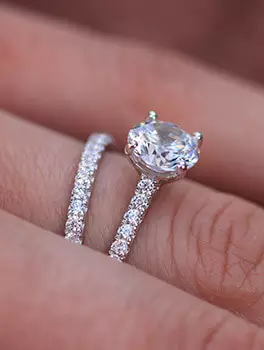
Certified natural diamond wedding ring displayed on white flowers, symbolizing an ethical and responsibly sourced diamond chosen to celebrate a lifelong commitment.

Getting married is the perfect opportunity to reflect on what truly matters to you—from the style of your dress and the table decorations to your hairstyle. It is also the ideal time to make a meaningful choice by selecting an ethical diamond for your wedding ring. Far more than a passing trend, this decision is helping reshape the modern diamond industry.

What Led to the Rise of Ethical Diamonds?

In the late 1990s, the term "blood diamonds" gained worldwide attention, referring to diamonds mined in regions where armed groups exploited workers and used the proceeds to finance violent conflicts, particularly in parts of Africa. These diamonds entered the global jewelry market and were sold to consumers who had little or no knowledge of their origins.

Over the following decades, growing public awareness encouraged the development of conflict-free diamonds—diamonds that can be traced back to responsible sources to ensure they have not financed armed conflicts or contributed to human rights abuses in mining communities. Today, this evolution continues to shape the way couples choose the diamond that symbolizes their engagement or marriage.

What Is a Conflict-Free Diamond?

In its strictest definition, a conflict-free diamond is a diamond that has never been used at any stage of its journey to finance armed conflict or illegal activities.

The Kimberley Process

Conflict-free diamonds are certified through the Kimberley Process Certification Scheme (KPCS), an international initiative created to prevent the trade of rough diamonds linked to armed conflicts. Negotiations began in May 2000, bringing together major diamond-producing countries, industry representatives, and civil society organizations before the system became fully operational worldwide.

In practice, every shipment of exported rough diamonds must be accompanied by an official certificate confirming that it does not originate from a recognized conflict zone.

At Celinni, we guarantee that all our natural diamonds are conflict-free. We work exclusively with trusted suppliers who source their diamonds through legal, transparent, and fully compliant channels under the Kimberley Process.

What Is an Ethically Sourced Diamond?

An ethically sourced diamond is mined, cut, and sold while respecting human rights, environmental standards, and the well-being of local communities. This means that miners, diamond cutters, and everyone involved throughout the supply chain are treated fairly, work under responsible conditions, and receive fair compensation. It also means that mining operations follow environmentally responsible practices.

Ethically sourced diamonds are produced using more sustainable mining methods, including:

  • Reducing water consumption.
  • Restoring mining land after extraction.
  • Increasing the use of renewable energy.
  • Avoiding hazardous and toxic chemicals.

Diamonds sourced through ethical mining practices represent one of the most responsible choices available, helping minimize the environmental impact on local ecosystems while supporting more sustainable and transparent supply chains.

Where Do Ethical Diamonds Come From Today?

Not all diamond-producing countries follow the same standards when it comes to responsible sourcing. Nations such as Botswana and Canada are recognized for their transparent supply chains and for reinvesting mining revenues into local communities. In contrast, diamonds from certain other mining regions require greater scrutiny from reputable diamond dealers.

Although a diamond's country of origin is not, by itself, a guarantee of ethical sourcing, it remains an important factor to consider alongside independent laboratory certification and compliance with the Kimberley Process.

Today, responsible sourcing has become just as important as the diamond's quality. When choosing the center stone for your engagement ring, the ethical origin of the diamond deserves as much attention as its famous 4Cs.

How to Choose an Ethical Diamond with Confidence

Buy with Complete Transparency

Before purchasing a diamond, it is essential to understand where it comes from and how it reached the jewelry store. Ethically sourced diamonds originate from conflict-free regions and pass through transparent supply chains that promote fair labor practices while minimizing environmental impact.

Choosing an ethical diamond is more than purchasing a beautiful gemstone—it is a reflection of your personal values. By making informed decisions, consumers encourage greater transparency, accountability, and responsible sourcing throughout the diamond industry.

How to Verify That a Diamond Is Ethical Before You Buy

Beyond general principles, here are the most important checks to make before purchasing the diamond for your wedding ring:

  • Request an independent laboratory certificate from GIA, HRD, or IGI. In addition to grading the diamond according to the 4Cs, these certificates improve traceability through the diamond's unique laser inscription.
  • Ask whether the rough diamonds used comply with the Kimberley Process Certification Scheme.
  • Learn about the jeweler's sourcing practices. A diamond dealer who purchases directly from international diamond exchanges generally offers greater transparency than one relying on multiple intermediaries.
  • Don't hesitate to ask direct questions. A jeweler genuinely committed to ethical sourcing should be able to explain clearly and confidently where their diamonds come from. 

Understanding Ethical Diamond Certifications

Choosing a diamond backed by internationally recognized certifications provides valuable peace of mind and helps protect your investment.

The Kimberley Process Certification Scheme (KPCS) is the fundamental benchmark, ensuring that rough diamonds are conflict-free and have not financed armed violence. However, a truly ethical diamond goes beyond conflict-free sourcing by also considering labor rights, environmental responsibility, and full supply chain transparency.

The Responsible Jewellery Council (RJC) certifies companies whose entire supply chain complies with rigorous ethical, social, and environmental standards. When combined with Kimberley Process compliance, RJC certification provides a more comprehensive guarantee of responsible sourcing.

The RJC Chain of Custody (CoC) certification further verifies that diamonds and jewelry products come from documented, conflict-free, and responsibly managed supply chains. It provides complete traceability throughout every stage of production—from sourcing and manufacturing to the finished jewelry—ensuring greater transparency and confidence for consumers.

Why Choose an Ethical Diamond for Your Wedding?

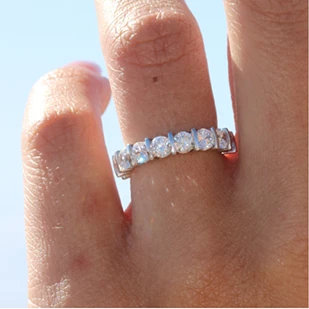
Newly married couple celebrating with family and friends, highlighting wedding bands featuring responsibly sourced natural diamonds.

A Responsible Choice for the Planet

For decades, diamond mining has had a significant environmental impact, contributing to deforestation, soil erosion, the displacement of local communities, habitat destruction, and the loss of biodiversity. While these consequences were once largely overlooked, they are now well documented, encouraging an increasing number of diamond companies to adopt more responsible mining and sourcing practices.

Choosing an ethically sourced diamond allows you to support this positive transformation. By favoring suppliers who reduce water consumption, restore mined land, invest in renewable energy, and limit the use of hazardous chemicals, you help promote more sustainable practices across the diamond industry. Most importantly, you can wear your wedding ring with complete confidence, knowing it reflects both beauty and responsibility.

The Consumer's Role in Transforming the Diamond Industry

Every informed purchase sends a powerful message to the jewelry industry. As more couples ask about the origin of their diamonds and demand greater transparency, jewelers are encouraged to hold their suppliers to higher ethical standards.

This growing consumer awareness has significantly reduced the presence of conflict diamonds in the global market since the early 2000s. Today, it continues to drive greater transparency throughout the entire diamond supply chain—from the mine to the jewelry store.

A Wedding Ring That Is Beautiful Inside and Out

A wedding ring is one of the most meaningful pieces of jewelry you will ever own. It is designed to be cherished, worn every day, and passed down through generations.

Its beauty should not be limited to its appearance. Knowing that your diamond was responsibly sourced gives your ring an even deeper significance, allowing you to proudly share the story behind its journey—from its ethical origin to the hand that now wears it.

Investing in Lasting Value

The growing demand for ethical diamonds is accelerating the transition toward responsible sourcing across the jewelry industry, creating positive benefits for everyone involved—from mining communities to the final customer.

Choosing an ethically sourced natural diamond means investing in far more than a precious gemstone. It represents a thoughtful decision where exceptional craftsmanship, sustainability, and integrity come together, creating a symbol of love with lasting value.

Celinni's Commitment to Ethical Diamonds

As a diamond specialist since 1967, Celinni sources its diamonds directly from the world's leading diamond exchanges, including Antwerp, Paris, Mumbai, and Hong Kong, providing access to more than 100,000 certified natural diamonds.

By working directly with trusted diamond experts and minimizing intermediaries, we ensure complete traceability in compliance with the Kimberley Process, from the original source to our jewelry workshops.

Every natural diamond over 0.30 carats sold by Celinni is accompanied by an internationally recognized certificate issued by an independent gemological laboratory, along with an official grading report. This commitment reflects the Maison's dedication to transparency, quality, and responsible sourcing, as explained in our article "Celinni: The Leading Online Jeweler for Natural Diamond Jewelry."

For couples looking to combine ethical sourcing with a unique creation, our bespoke engagement ring service allows you to select each natural diamond alongside a certified gemologist, ensuring complete confidence in every detail of your custom-made ring.

FAQ: Ethical Diamonds for Your Wedding

What is an ethical diamond?

An ethical diamond is mined, cut, and sold in compliance with human rights, fair labor standards, and environmentally responsible practices. It is also guaranteed to be conflict-free and sourced in accordance with the Kimberley Process Certification Scheme.

How can I identify an ethical diamond before buying?

Start by requesting an independent laboratory certificate from GIA, HRD, or IGI, along with confirmation that the diamond complies with the Kimberley Process. It is also advisable to choose a reputable diamond jeweler who can clearly explain the origin and traceability of their diamonds.

Are ethical diamonds more expensive than traditional diamonds?

No. An ethical diamond does not necessarily cost more than a conventional diamond. Ethical sourcing refers to responsible supply chain practices rather than a separate category of diamonds with different pricing.

What is the difference between the Kimberley Process and RJC certification?

The Kimberley Process ensures that rough diamonds have not been used to finance armed conflicts. Responsible Jewellery Council (RJC) certification goes further by evaluating the entire supply chain, including labor rights, environmental responsibility, business ethics, and supply chain transparency.

Are all natural diamonds sold today conflict-free?

The vast majority are. Thanks to the Kimberley Process, the proportion of conflict diamonds in the global market has been dramatically reduced. Nevertheless, it is always recommended to verify a diamond's origin and certification with your jeweler before making a purchase.

Share this content