-15% with code: 19NI76

Which Center Diamond Should You Choose for an Engagement Ring?

- Categories : Jewelry News Rss feed
Hand wearing multiple white gold engagement rings set with natural diamonds in various shapes: round, pear, cushion and emerald cut.

Choosing the center diamond for an engagement ring is a decisive step in creating a piece of jewelry designed to last a lifetime. More than just a gemstone, the center stone embodies promise, commitment and the emotion of the proposal. It captures the light, draws attention and gives the ring its entire personality.

An engagement ring relies above all on the balance between the diamond shape, its carat weight, and its overall diamond quality. Brilliance, proportions and clarity — every detail influences the intensity of its sparkle and the harmony of the piece.

Understanding these essential criteria allows you to select a diamond that is not only beautiful today, but perfectly suited to a ring meant to symbolize a lifelong commitment.

Why Is the Center Diamond So Important?

In any engagement ring, the center diamond is the dominant visual element. It forms the heart of the jewelry and immediately defines its ring style. Whether the setting is minimalist or more intricate, the main diamond naturally captures nearly 80% of the attention.

Its importance is both aesthetic and symbolic. Aesthetically, the shape of the diamond, its brilliance and its proportions determine its visual impact on the hand. Symbolically, it represents strength, purity and the lasting nature of commitment.

The center diamond also influences the choice of ring style: a classic solitaire, a luminous halo setting, or a refined three-stone design. The diamond’s size — typically expressed in carat weight — plays a crucial role in the overall balance of the ring. A perfectly proportioned diamond creates harmony, while poor proportions may affect how the stone is perceived.

Finally, diamond quality is essential. Cut, clarity and color directly determine the stone’s ability to reflect light. A well-cut diamond appears more vibrant, more brilliant and ultimately more precious.

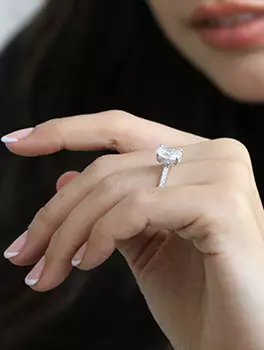
White gold solitaire engagement ring set with a cushion cut natural diamond, elegantly displayed on a hand.

Which Diamond Shape Should You Choose?

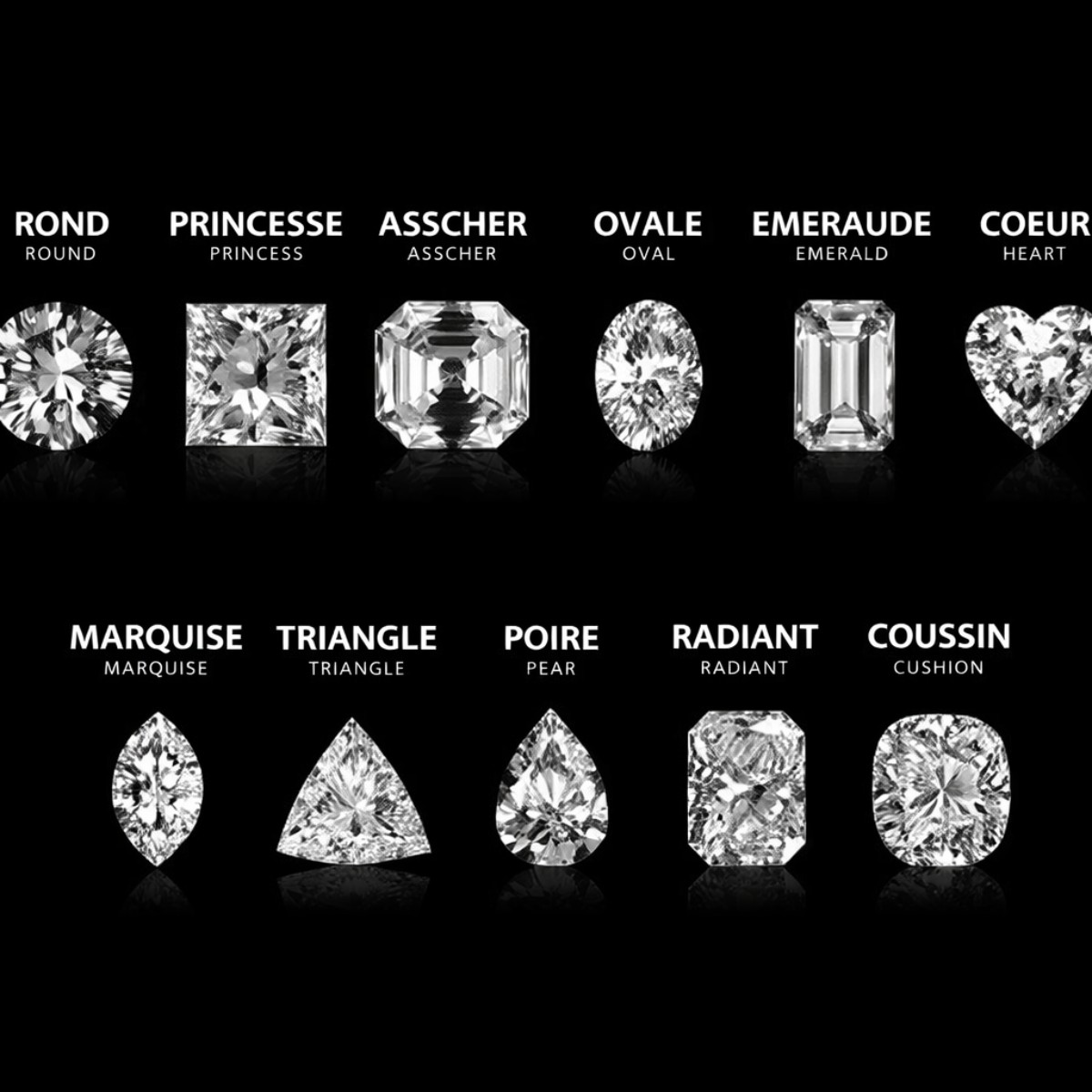
Overview of the main diamond shapes for engagement rings: round, princess, asscher, oval, emerald, heart, marquise, pear, radiant and cushion cut.

The diamond shape is one of the most decisive criteria when choosing an engagement ring. It influences the overall style, the perceived size of the stone, and the way the ring enhances the hand.

There are many different diamond shapes, each bringing a unique personality to a diamond ring. Some prioritize maximum brilliance, while others highlight refined lines or a distinctive silhouette.

Among the most sought-after diamond shapes, two stand out in particular: the round diamond and the oval diamond. These cuts offer an ideal balance between sparkle, elegance and modernity.

Round Diamond: Maximum Brilliance

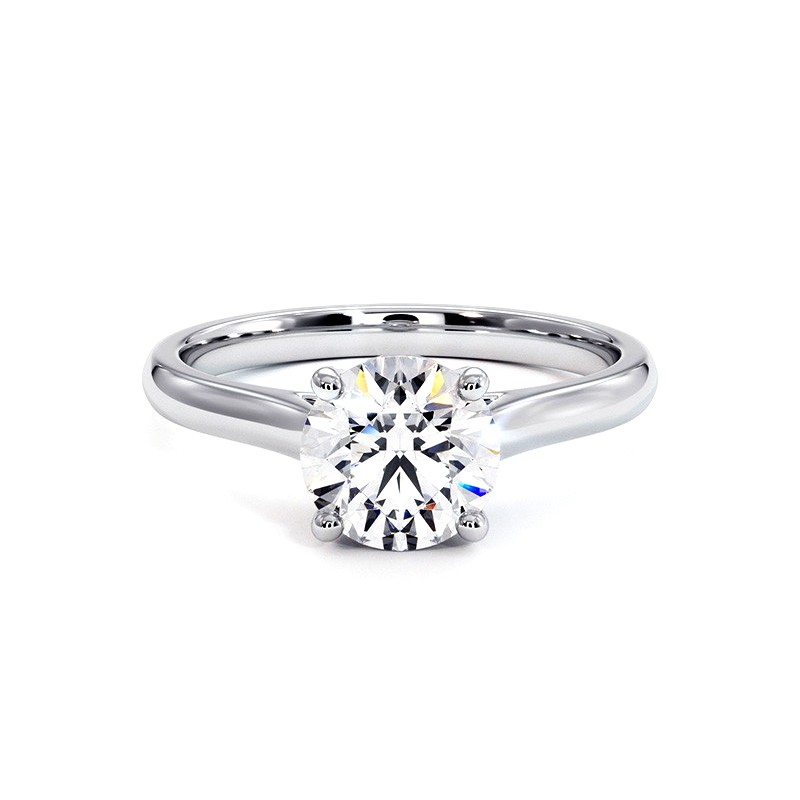
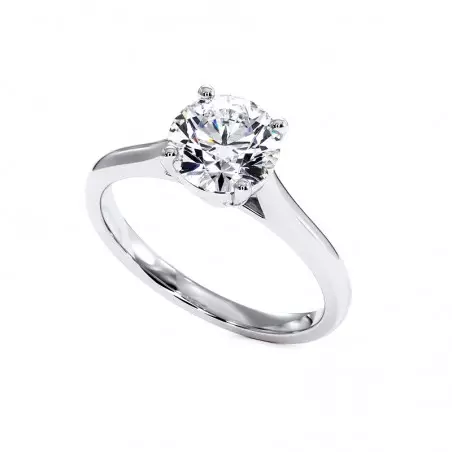
The round diamond is the most popular diamond shape in the world. Renowned for delivering the highest level of brilliance, its cut is precisely engineered to optimize light reflection.

In an engagement ring, a round center diamond guarantees spectacular and timeless sparkle. It complements every setting style, from classic solitaires to more contemporary designs.

Its perfect symmetry also enhances the visual appearance of the carat weight, sometimes making the diamond appear larger than other shapes of equivalent weight.

Oval Diamond: Elegance and Modernity

The oval diamond captivates with its elongated and refined silhouette. This diamond shape creates a flattering visual effect that elongates the fingers and adds a contemporary touch to the ring.

Highly appreciated for balancing tradition and modernity, the oval diamond offers excellent brilliance while subtly distinguishing itself from the classic round cut. It can also appear larger than a round diamond of the same carat weight, making it a strategic choice for maximizing visual impact.

Its elegant look makes it ideal for those seeking a luminous and slightly bold engagement ring without sacrificing refinement.

Cushion Cut Diamond: Timeless Romance

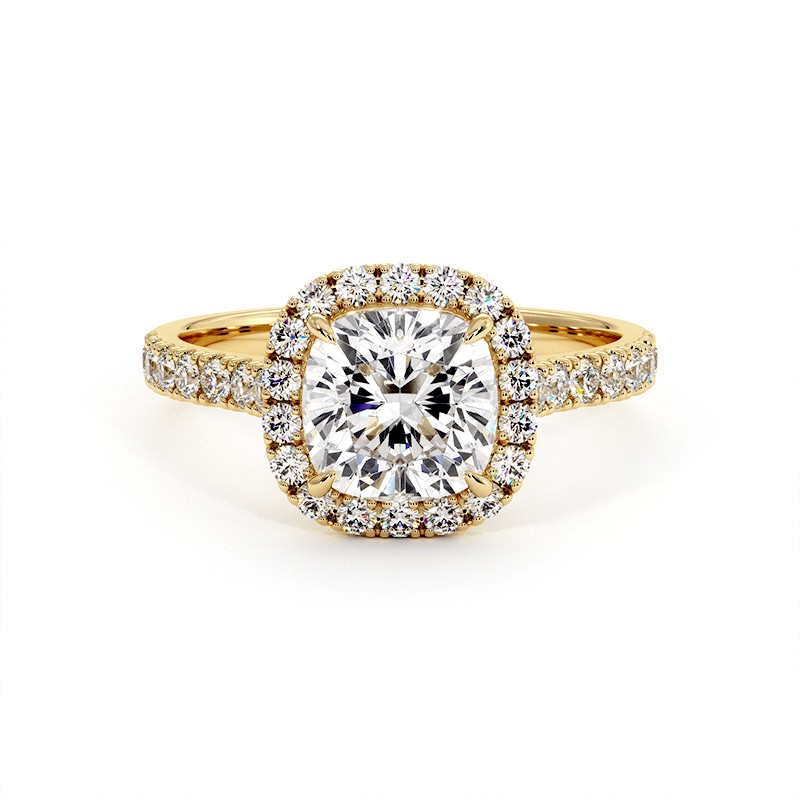
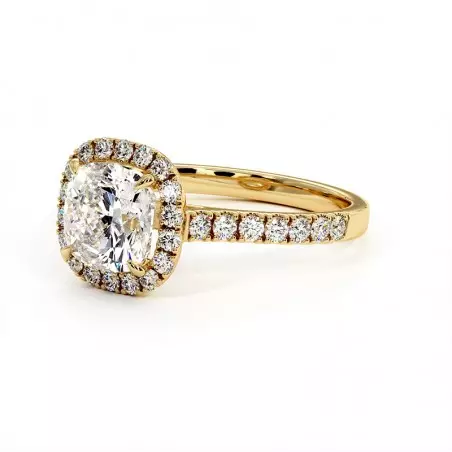
The cushion cut diamond is distinguished by its rounded corners and soft silhouette, inspired by antique cuts. This diamond shape immediately evokes vintage charm and classic romance while maintaining beautiful light performance.

Valued for its balance between tradition and modern appeal, the cushion cut softens the lines of the setting and brings warmth to the diamond ring. Depending on its proportions, it may appear slightly deeper than a round diamond, enhancing its inner glow.

Perfect for an elegant and timeless engagement ring, the cushion cut appeals to those who appreciate jewelry with both character and delicacy.

Emerald Cut Diamond: Graphic Sophistication

The emerald cut diamond is instantly recognizable by its rectangular shape and clean, structured lines. Unlike brilliant cuts, it emphasizes clarity and transparency rather than sparkle.

This diamond shape produces a more subtle “hall-of-mirrors” light effect. Because of its large, open facets, it requires excellent diamond quality, particularly in terms of clarity, as inclusions are more visible.

Ideal for those drawn to minimalist and sophisticated aesthetics, the emerald cut gives the engagement ring an architectural and contemporary presence. It is often set in sleek designs that highlight its graphic elegance.

Pear-Shaped Diamond: Confident Originality

Positioned between the round and the marquise, the pear-shaped diamond combines a rounded end with a delicate point. This bold diamond shape immediately draws attention and gives strong personality to the ring.

Worn with the point facing upward or downward, it creates different visual effects and elegantly elongates the fingers. Like the oval diamond, it can appear larger than a round diamond of the same carat weight, enhancing the perceived size of the center diamond.

Choosing a pear-shaped diamond means opting for a distinctive, elegant and slightly unexpected engagement ring — perfect for those who want to move beyond traditional styles while preserving brilliance and refinement.

What Is the Ideal Carat Weight for an Engagement Ring?

The carat weight of a diamond refers to its weight. The higher the carat number, the heavier the stone — and generally, the larger its visual size. However, carat weight should never be considered in isolation: proportions and diamond cut influence the final appearance just as much.

For an engagement ring, here is a general guide:

  • 0.50 carat: discreet and elegant, ideal for a minimalist style.
  • 0.70 to 1 carat: the perfect balance between presence and refinement.
  • 1.50 carats and above: bold visual impact and spectacular brilliance.

It is essential to strike the right balance between carat weight and diamond quality. A slightly smaller diamond with an excellent cut will often appear more brilliant than a larger stone of average quality.

Your choice will also depend on the setting, the desired ring style and your budget. The goal is not to choose the largest possible diamond, but the one that creates the most harmonious visual and symbolic balance within your engagement ring.

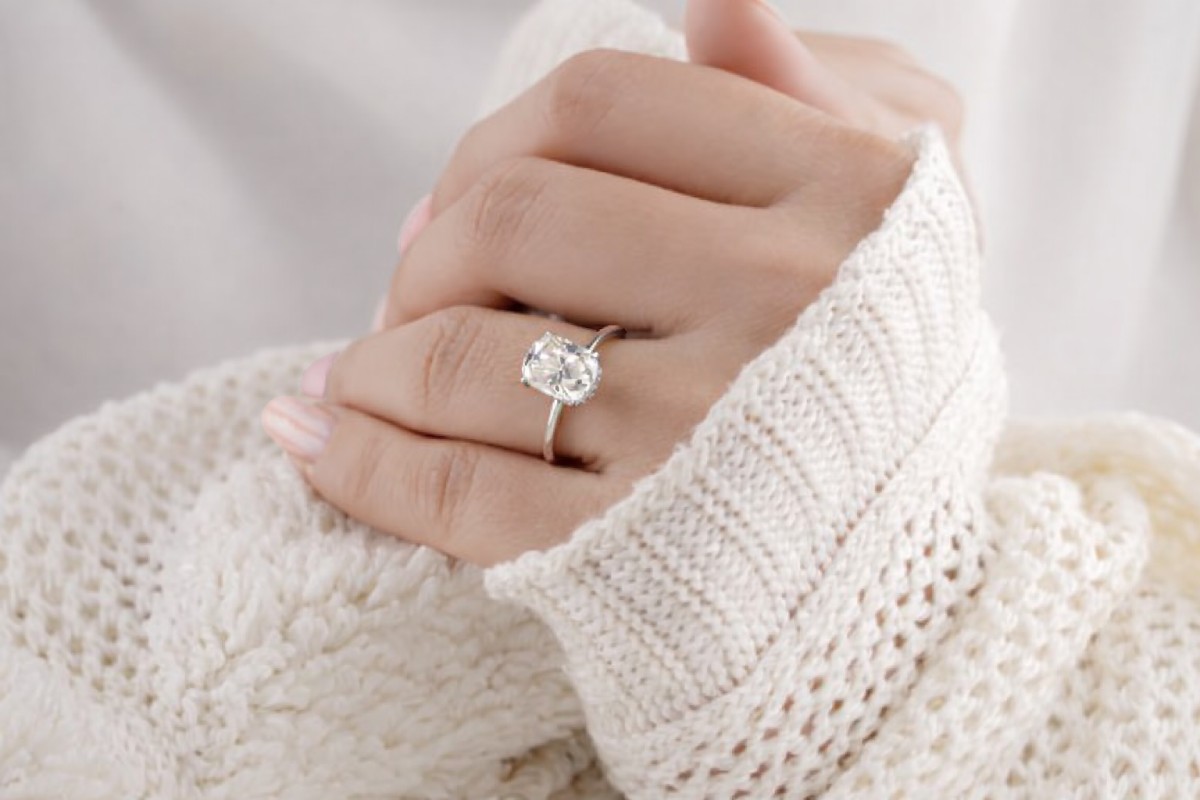
White gold engagement ring featuring a central oval diamond surrounded by a pavé halo of smaller diamonds, worn on a hand.

Understanding the 4Cs to Choose the Right Diamond

To select the perfect center diamond, it is crucial to understand the internationally recognized 4Cs. These four criteria objectively evaluate diamond quality and determine its value.

Cut: Brilliance Above All

The diamond cut is the most important factor. It directly affects the stone’s ability to reflect light.

A perfectly cut diamond reflects light optimally, creating the vivid sparkle and fire so desired in an engagement ring. Even with significant carat weight, a poor cut will greatly reduce brilliance. Conversely, an excellent cut can elevate a slightly smaller diamond and make it appear more vibrant and alive.

Color

Color measures how colorless a diamond is. The more transparent and free from tint the stone, the rarer and more valuable it becomes.

Higher color grades display little to no visible hue, maximizing brightness and enhancing the diamond’s overall radiance.

Clarity

Clarity refers to the presence (or absence) of internal inclusions and natural imperfections.

Excellent clarity ensures better transparency and enhances the beauty of the stone — especially for certain diamond shapes with large, open facets, such as the emerald cut, where inclusions may be more visible.

Carat

Carat indicates the diamond’s weight and directly influences its visual size. However, it should always be evaluated alongside the other three criteria.

A diamond that is well balanced across all 4Cs will offer a more harmonious result than one chosen solely for its carat weight.

The objective is not absolute perfection, but the ideal balance between brilliance, clarity, color and proportion.

Natural Diamond: A Timeless Investment

Choosing a natural diamond for an engagement ring means choosing rarity and authenticity. Formed billions of years ago under extreme natural conditions, each natural diamond is truly unique.

Beyond its brilliance, it carries strong heritage value. It can be passed down through generations, retains its worth and becomes a lasting symbol of commitment. Within a ring, a natural diamond embodies permanence and legacy.

A high-quality natural diamond comes with independent diamond certification, detailing its 4Cs precisely. This transparency guarantees authenticity and ensures full traceability.

Investing in a natural diamond means choosing a piece of jewelry rich in history, designed to endure far beyond the proposal itself — an emotional, precious and timeless symbol.

Matching the Center Diamond to the Setting

Choosing a center diamond cannot be separated from selecting the right engagement ring setting. The diamond shape, its carat weight, and its overall diamond quality must harmonize perfectly with the chosen design to fully reveal its brilliance.

The Solitaire: Pure Elegance

The solitaire engagement ring highlights the center diamond exclusively. Clean, refined and timeless, it draws all attention to the stone itself.

This setting is ideal for showcasing an exceptional diamond and emphasizing its natural brilliance without distraction.

The Halo Setting: Enhanced Brilliance

Surrounded by smaller diamonds, the center stone appears visually larger.

A halo setting amplifies the overall sparkle of the engagement ring and enhances the perception of volume, making it an excellent choice for maximizing visual impact.

The Three-Stone Setting: Powerful Symbolism

Representing the past, present and future, the three-stone ring adds strong emotional meaning.

It also helps visually balance elongated diamond shapes such as oval or pear, creating proportion and symmetry within the design.

Pavé Setting: Contemporary Refinement

With small diamonds set along the band, the pavé setting enhances light reflection and creates a continuous sparkle.

This option beautifully complements a well-proportioned center diamond, adding sophistication and brilliance without overpowering the main stone.

The ultimate goal remains the same: to create perfect harmony between the diamond and its setting, ensuring the engagement ring feels balanced, elegant and timeless.

Why Working with a Diamond Expert Matters

Choosing a center diamond for an engagement ring goes beyond comparing technical specifications. Every stone has its own personality, light performance and unique balance.

Working with a professional diamond expert allows you to:

  • Precisely assess diamond quality
  • Optimize the balance between carat weight, brilliance and budget
  • Compare multiple diamonds with full transparency
  • Select a setting perfectly suited to the stone

An expert will guide you toward the best compromise between aesthetics and investment, taking into account your expectations and desired ring style.

This personalized guidance provides essential reassurance in such a symbolic decision — transforming a purchase into a truly bespoke experience.

FAQ

What is the best diamond for an engagement ring?

There is no universal answer. The best diamond is the one that offers a harmonious balance between brilliance, clarity, color and carat weight, while matching your personal style and budget.

How many carats should I choose for an engagement ring?

A diamond between 0.70 and 1 carat offers an excellent balance between presence and elegance. However, the ideal choice depends on the setting, proportions and individual preferences.

Which diamond shape looks the largest?

Elongated shapes such as oval or pear can appear larger than a round diamond of the same carat weight because their visible surface area is greater.

Is diamond quality more important than carat weight?

Yes. A perfectly cut diamond balanced across the 4Cs will sparkle more brilliantly than a larger stone of lower quality.

Why choose a natural diamond?

A natural diamond carries authentic rarity and strong heritage value. It retains its worth over time and symbolizes a lasting, timeless commitment.

Conclusion

The center diamond is the soul of an engagement ring. Its diamond shape, carat weight, brilliance and overall balance define the identity of the piece.

Understanding the 4Cs, selecting the right setting and choosing a high-quality natural diamond allow you to create a ring that is elegant, enduring and deeply meaningful.

More than just a piece of jewelry, the center diamond becomes the symbol of a commitment designed to last a lifetime.

Share this content