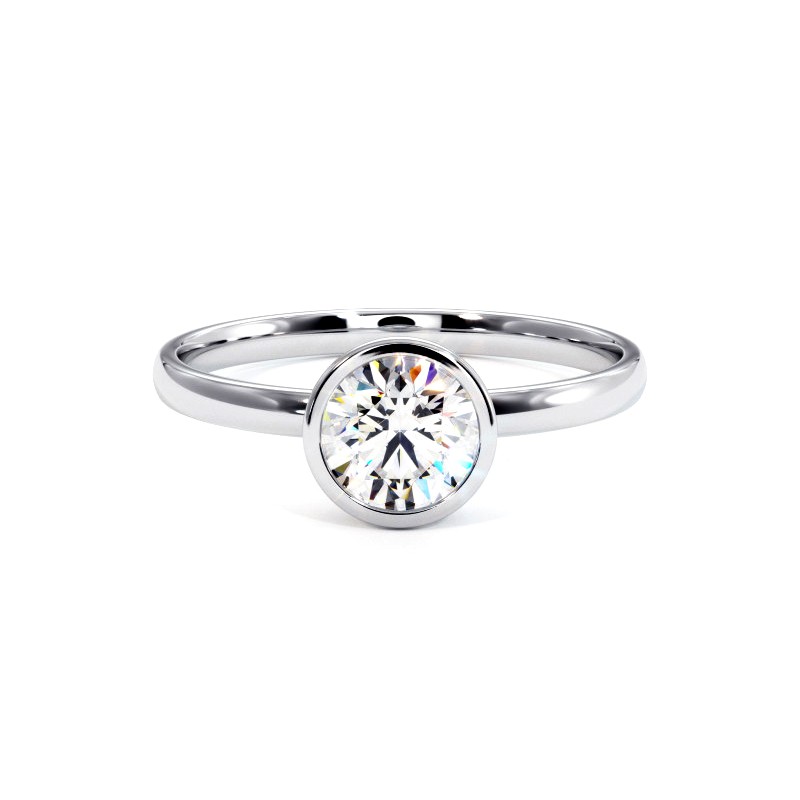
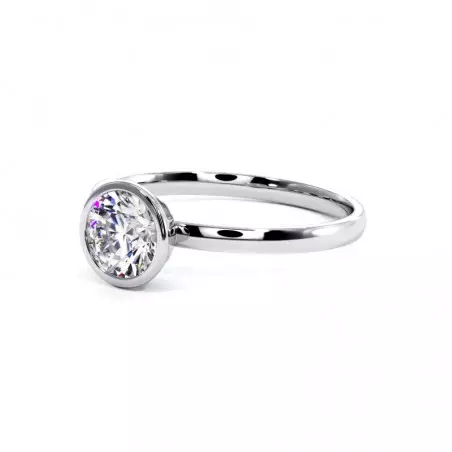
What Carat Should You Choose for an Engagement Ring Diamond?
Choosing the center diamond is one of the most important steps when creating an engagement ring. Among the many factors to consider, the diamond carat is often the one that attracts the most attention. It directly influences the visual size of the stone and plays a major role in how the jewelry is perceived.
However, the diamond carat should not be considered on its own. The beauty of a stone also depends on several essential criteria such as diamond color, diamond clarity, and diamond cut. Together, these elements form what jewelers call the 4Cs of diamonds: Carat, Cut, Color, and Clarity. The balance between these four diamond characteristics ultimately determines the overall diamond quality and brilliance.
When choosing an engagement ring, understanding the weight of a diamond and its relationship to its visual size helps you make an informed decision. A well-proportioned diamond can appear larger and more brilliant than a heavier stone that has been poorly cut. In this article, we will explain what carat weight really means, how it influences the size of a stone, and what dimensions to expect depending on the number of carats.
What Is the Carat of a Diamond?
The carat is the unit of measurement used in jewelry to determine the weight of a diamond. This criterion is part of the 4Cs of diamonds, which serve as the international standard for evaluating the quality of a gemstone.
When discussing a diamond, the carat weight indicates how much the stone weighs. However, it does not define the beauty or diamond quality on its own. Two diamonds with the same weight can look very different depending on their diamond cut, diamond clarity, and diamond color.
Understanding what a carat truly represents helps avoid common misconceptions and provides a clearer understanding of a diamond’s value.
Definition of a Carat
One carat equals 0.20 grams. This unit is used worldwide to measure the weight of a diamond and, more broadly, the weight of precious gemstones.
For example:
- 1 carat diamond = 0.20 g
- 0.50 carat = 0.10 g
- 2 carats = 0.40 g
A carat can also be divided into 100 points. For instance, a 0.75 carat diamond corresponds to 75 points. This level of precision allows jewelers to compare stones accurately.
The weight of a diamond has a strong impact on its value. Larger diamonds are rarer, which explains why the price increases significantly as the number of carats rises.
Carat vs Diamond Size: What’s the Difference?
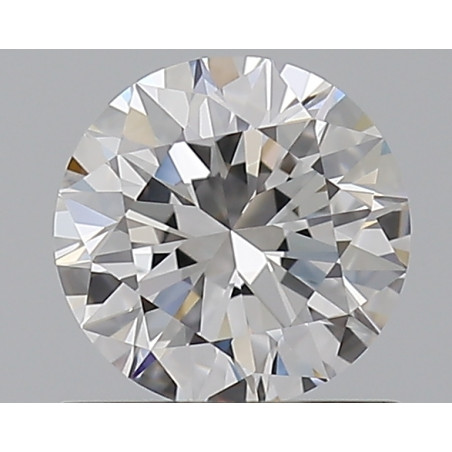
It is important to understand that the carat measures the weight of a diamond, not its visual dimensions. Two stones with exactly the same diamond carat weight can appear different in size.
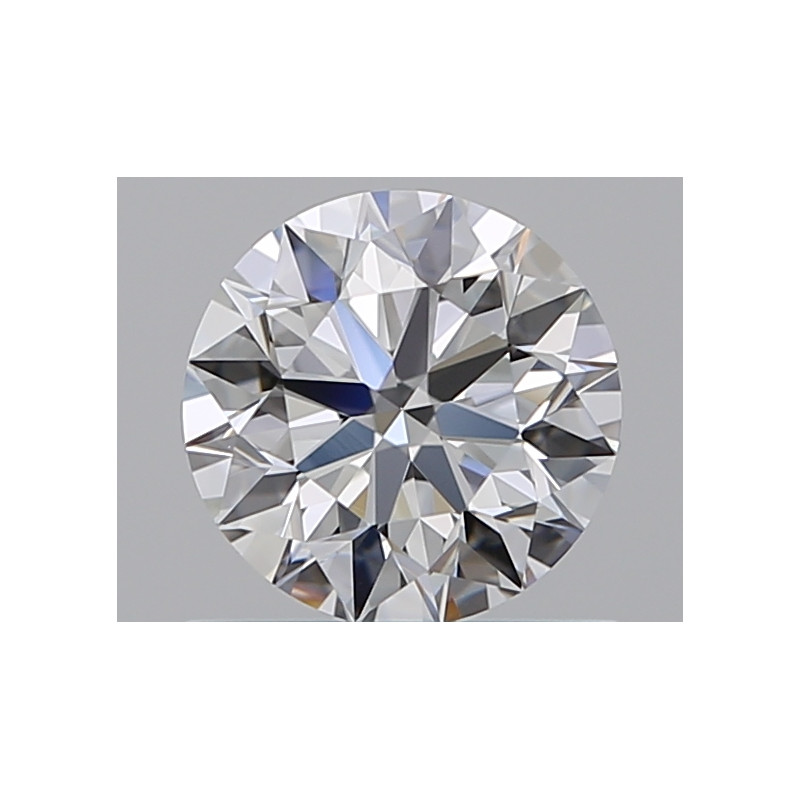
The main reason is the diamond cut, meaning the way the stone has been shaped and proportioned. A perfectly balanced cut allows the diamond to reflect light optimally, increasing its brilliance and sometimes making it appear larger than it actually is.
On the other hand, a poorly cut diamond may look smaller, even if its carat weight is identical. This is why jewelers always analyze the 4Cs of diamonds — carat, cut, color, and clarity — to evaluate the true quality of a diamond.
What Diamond Size Corresponds to Each Carat Weight?
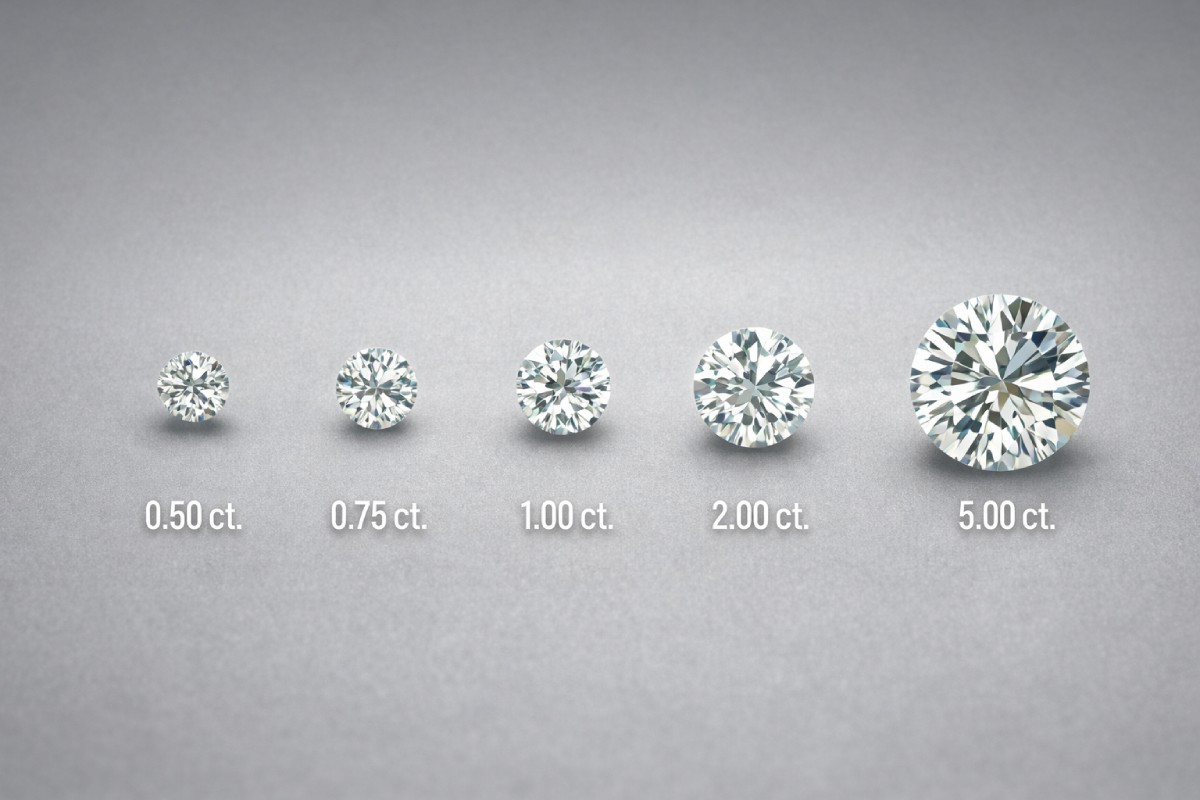
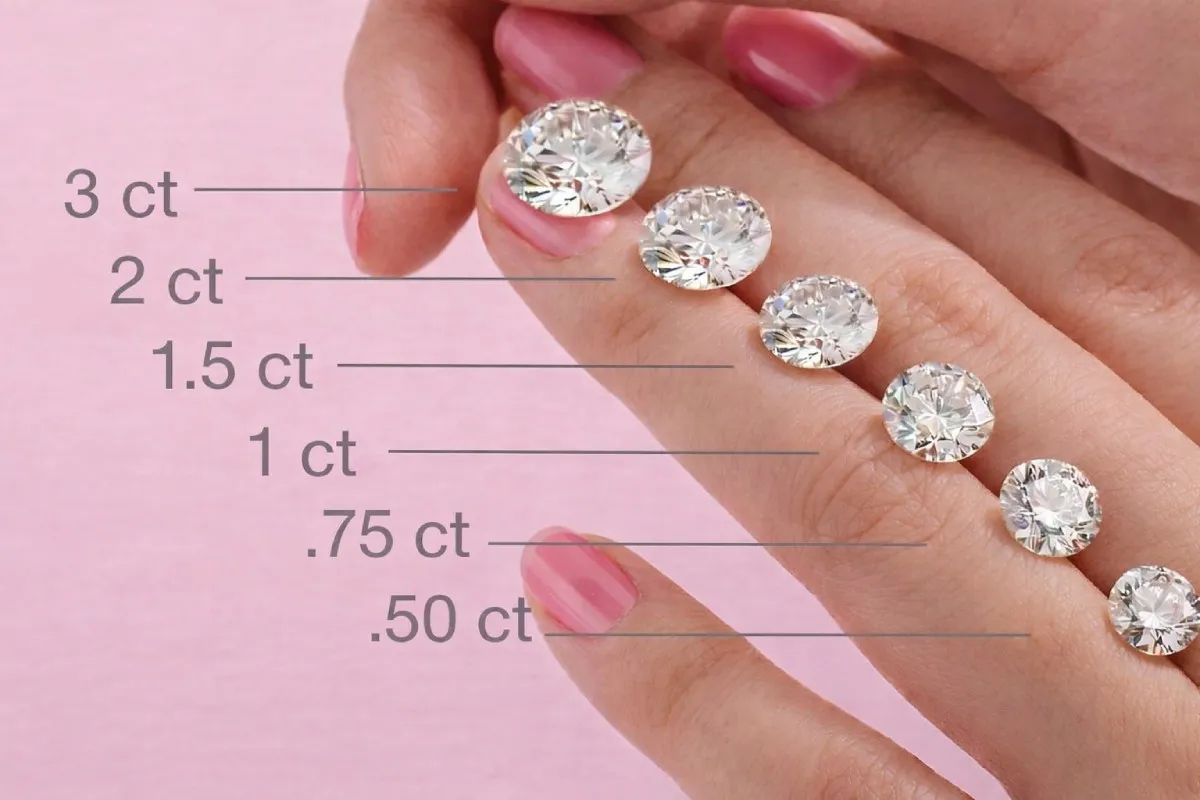
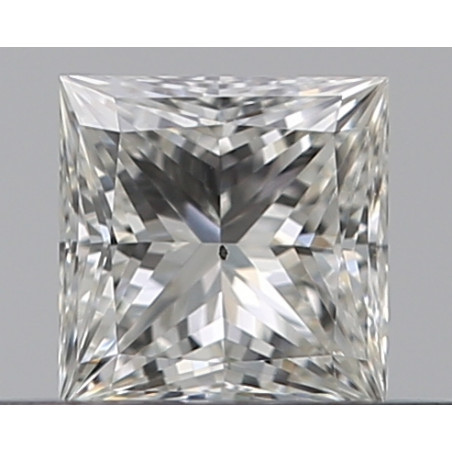
When choosing an engagement ring, it is natural to wonder what size the diamond will actually appear depending on its weight. The diamond carat provides an indication of the stone’s size, but the visual perception also depends on the diamond shape and the diamond cut.
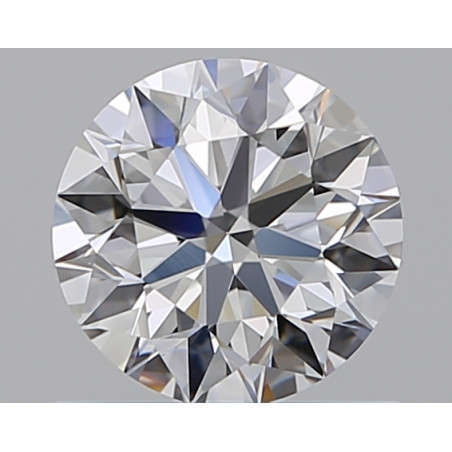
For a round diamond, which remains the most classic shape in fine jewelry, there are fairly reliable size references. These benchmarks help visualize how a diamond will appear once set on a ring.
0.30 Carat Diamond
A 0.30 carat diamond typically measures around 4.3 mm in diameter when cut as a round brilliant.
This size offers a subtle and elegant appearance. It is often chosen for delicate or minimalist rings, or for pavé settings that highlight the center stone. When well proportioned, this size can deliver beautiful brilliance while remaining more accessible in terms of budget.
0.50 Carat Diamond
The 0.50 carat diamond is one of the most popular choices for an engagement ring. Its average diameter is approximately 5.1 mm.
It provides an excellent balance between visual size, elegance, and price. With a well-executed diamond cut and good diamond quality, this size offers a stone that appears bright, refined, and clearly visible on the hand.
1 Carat Diamond
A 1 carat diamond ring is often considered a benchmark in fine jewelry. A 1 carat diamond usually measures about 6.4 to 6.5 mm in diameter when cut as a round brilliant.
This size offers a remarkable presence while remaining elegant. A 1 carat diamond can deliver spectacular brilliance, provided that the stone’s proportions are perfectly balanced and its diamond quality is carefully selected.
1.50 Carat Diamond and Larger
Diamonds of 1.50 carats and above generally belong to rarer categories of stones. Their diameter can exceed 7.3 mm, giving them a particularly striking presence on a ring.
These diamonds are often chosen for high-end jewelry creations or by those looking for a large diamond ring with strong visual impact. At these sizes, selecting the right 4Cs of diamonds becomes even more important in order to guarantee excellent diamond quality and exceptional brilliance.
What Carat Should You Choose for an Engagement Ring?
Choosing the ideal diamond carat for an engagement ring depends on several factors: the style of the ring, finger size, diamond shape, and of course the budget. There is no universal rule, but certain guidelines can help find the right balance between aesthetics and diamond quality.
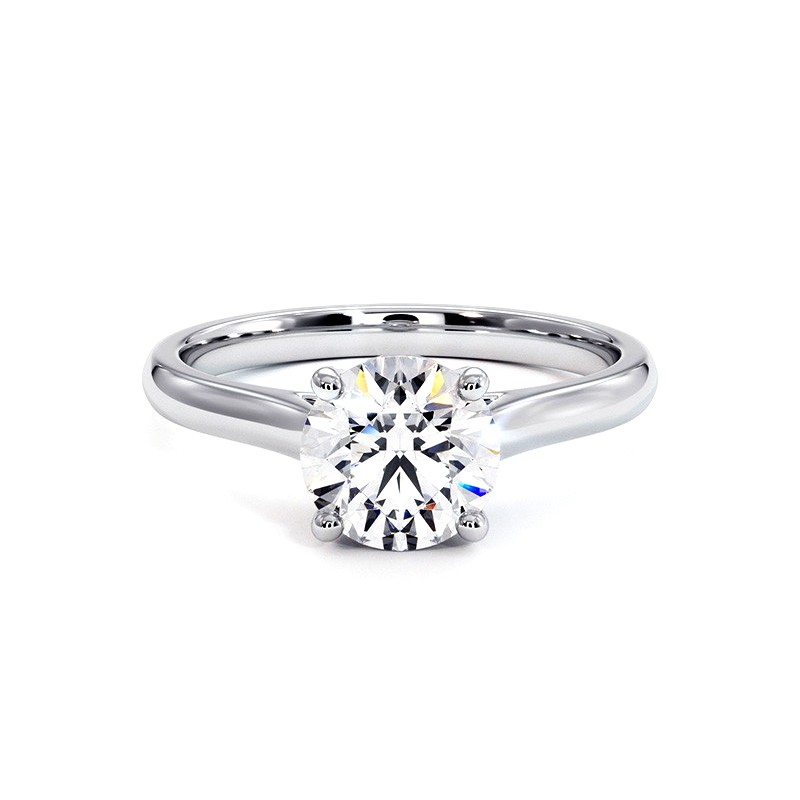
In practice, diamonds between 0.50 carat and 1 carat are the most popular for engagement rings. They offer a beautiful visual presence while remaining elegant and well balanced on the hand. A 1 carat diamond ring is often considered a classic choice in fine jewelry because it combines visibility, brilliance, and refinement.
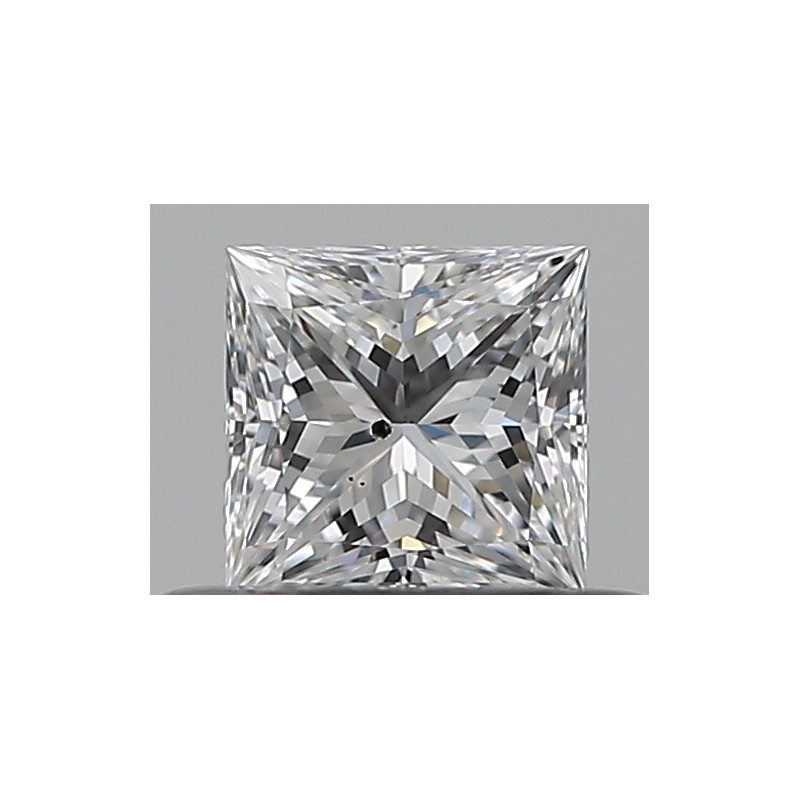
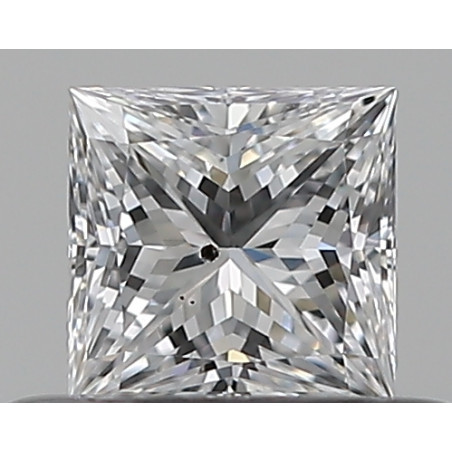
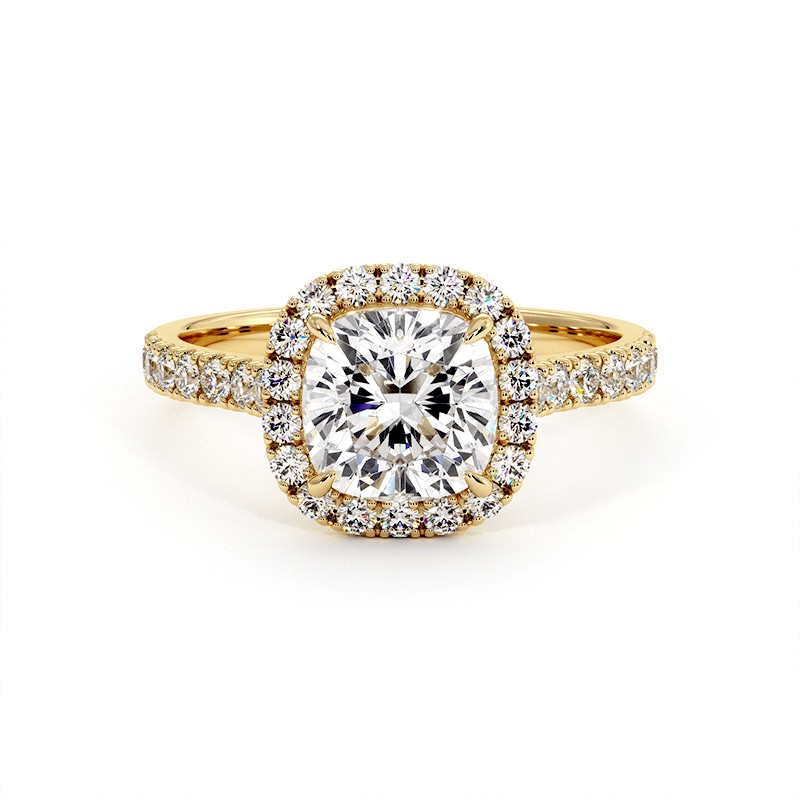
The shape of the diamond also influences how large the stone appears. For example, an oval or pear-shaped diamond may appear larger than a round diamond with the same carat weight. Similarly, certain settings such as halo rings or pavé designs can enhance the perception of size and highlight the center stone.
Finally, it is essential to consider the full 4Cs of diamonds: carat, diamond cut, diamond color, and diamond clarity. A slightly smaller diamond that is better proportioned can appear brighter and more harmonious than a heavier stone with lower diamond quality.
Carat and Budget: Finding the Right Balance
The weight of a diamond has a direct impact on its price. As the number of diamond carats increases, the stone becomes rarer and therefore more valuable. The value of a diamond does not evolve in a linear way: the price can increase significantly at certain milestones, especially when reaching symbolic thresholds such as 1 carat.
To optimize their budget, many jewelers recommend choosing a diamond slightly below these thresholds. For example, a 0.90 carat diamond can visually resemble a 1 carat diamond, while offering a more advantageous price per carat. Similarly, a 0.45 carat diamond can appear very close in size to a 0.50 carat diamond.
This type of adjustment allows you to obtain a visually impressive stone while allocating more of your budget to diamond quality, particularly to the diamond cut or diamond clarity. In fine jewelry, finding the right compromise between carat weight and diamond quality is often the key to creating a balanced and elegant engagement ring.
Carat or Quality: What Matters Most?
While the diamond carat often attracts the most attention, it is not necessarily the most decisive factor in a diamond’s beauty. Jewelers place particular importance on the balance between the four characteristics of a diamond: carat, cut, color, and clarity.
Among these criteria, the diamond cut plays a crucial role. It determines how light travels through the stone and creates the brilliance that makes diamonds so distinctive. A perfectly cut diamond can appear brighter and even larger than a heavier stone that is poorly proportioned.
The diamond color and diamond clarity also influence the overall perception of the stone. A diamond that is well balanced within the diamond grading scale will display superior brilliance and better visual harmony.
For this reason, many experts recommend choosing a slightly smaller diamond with excellent diamond quality rather than a larger stone of lower quality. In fine jewelry, the true beauty of a diamond lies in the balance between its characteristics, not solely in the weight of the diamond.
How to Choose the Ideal Carat for Your Ring
Choosing the ideal diamond carat for an engagement ring involves balancing several factors: the style of the ring, finger size, budget, and of course the diamond quality. Carat weight is important, but it should always be considered alongside the other characteristics of the stone.
The first step is usually to define a realistic budget. The weight of a diamond has a strong impact on its price, as larger diamonds are rarer. By determining a budget, it becomes easier to select a diamond that offers the best compromise between carat weight and overall diamond quality.
Next, the diamond shape and diamond cut play an essential role in the stone’s visual appearance. Certain shapes, such as oval or pear diamonds, can create the impression of a larger stone even with the same carat weight. Likewise, a well-proportioned cut maximizes the brilliance and sparkle of the diamond.
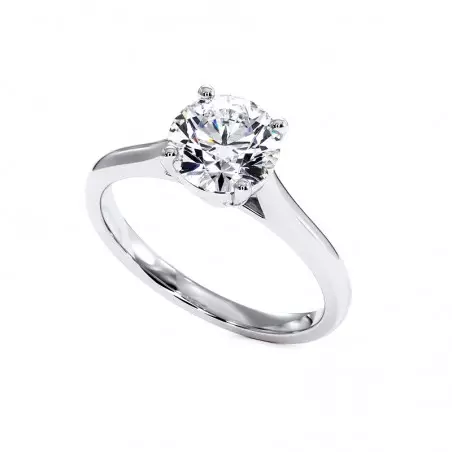
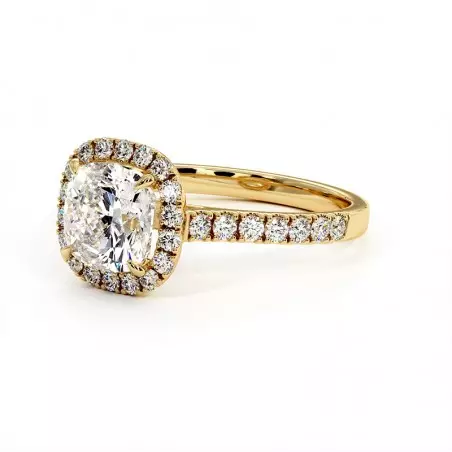
It is also important to consider the ring setting. A halo setting, for example, surrounds the center diamond with smaller diamonds and enhances the impression of size. In contrast, a classic solitaire setting places the full emphasis on the center diamond and its quality.
Finally, jewelers always recommend evaluating the full 4Cs of diamonds: carat, diamond cut, diamond color, and diamond clarity. The balance between these criteria ultimately determines the true beauty and value of a diamond.
FAQ
What is the ideal carat for an engagement ring?
There is no universally ideal carat weight. However, diamonds between 0.50 carat and 1 carat are the most popular choices for engagement rings, as they offer a good balance between size, elegance, and budget.
How big is a 1 carat diamond?
The size of a 1 carat diamond depends on the shape of the stone. For a round brilliant diamond, the average diameter is approximately 6.4 to 6.5 mm, offering an elegant and well-balanced visual presence.
What is the difference between 0.50 carat and 1 carat?
The main difference lies in the weight of the diamond and its visual size. A 1 carat diamond is generally about 25–30% wider than a 0.50 carat diamond, giving it a more noticeable presence on a ring.
Does carat significantly affect the price of a diamond?
Yes, diamond carat weight strongly influences the value of a stone. As the number of carats increases, diamonds become rarer and therefore more expensive, especially at symbolic milestones such as 1 carat or 2 carats.
Should you prioritize carat or diamond quality?
Experts generally recommend prioritizing the balance of the 4Cs of diamonds. A slightly smaller diamond with excellent quality — particularly a good diamond cut and strong clarity — will often appear brighter and more beautiful than a larger stone with lower quality.
Related Articles
- How to Choose a Diamond Engagement Ring in Morocco
- Which Ear Should a Man Wear an Earring In?
- Men’s Earrings and Their Meanings
- How to Choose a Diamond Bracelet for Women
- How to Measure Your Finger Size for a Ring
- Which Hand Should You Wear an Engagement Ring On?
- Gift Ideas for Pregnant Women: 37 Ways to Delight in 2025


.png)


.avif)