OCTOBER BIRTHSTONE - THE PINK TOURMALINE
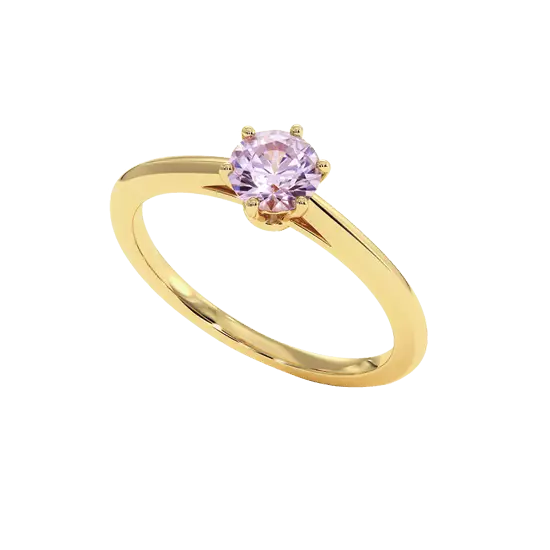
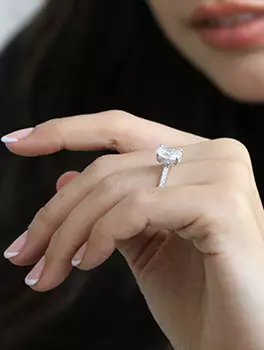
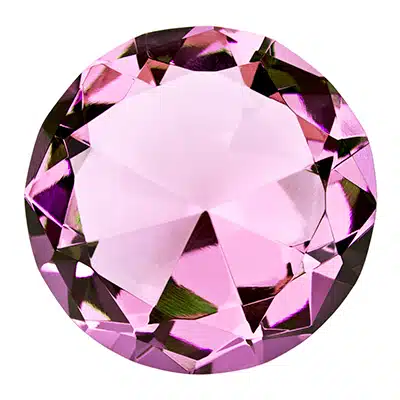
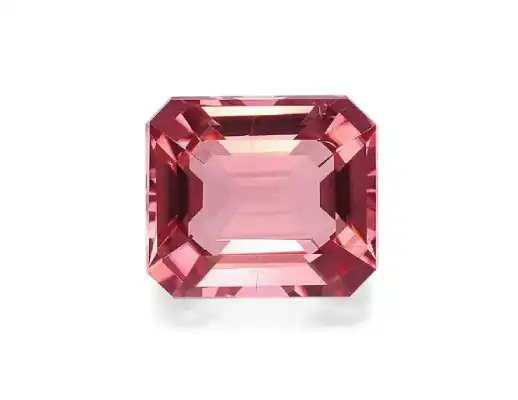
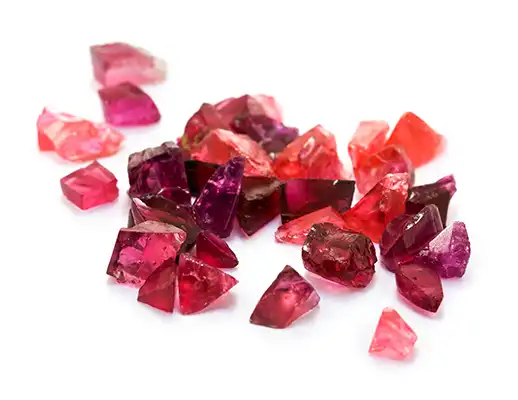
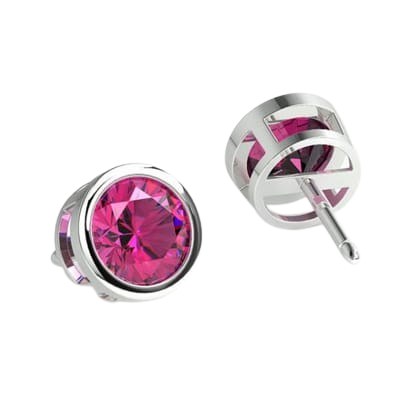
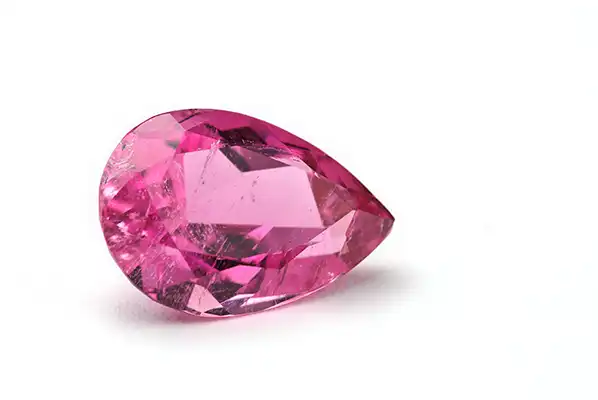
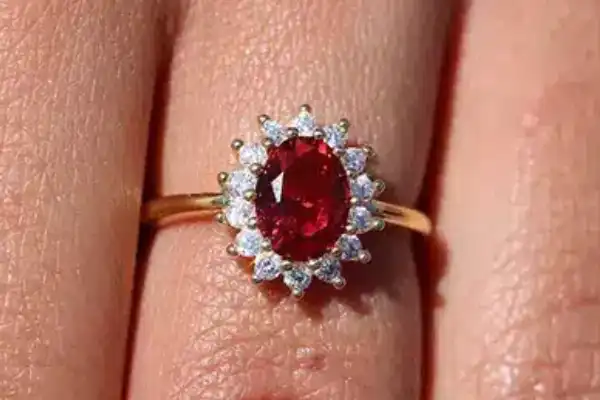
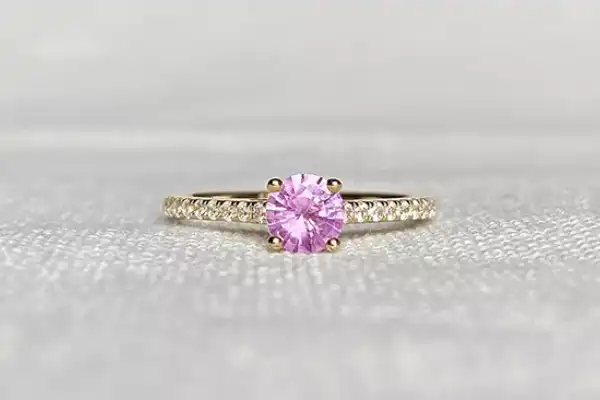
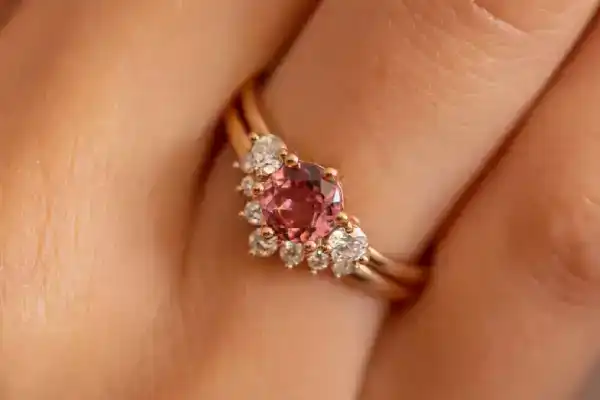
Also known as rubellite, pink tourmaline is officially recognised as the birthstone for October, alongside opal. With its beautiful pink colour ranging from soft blush tones to intense fuchsia, it is one of the most highly prized precious stones and gemstones in jewellery. It can be set into rings, bracelets, necklaces and earrings.
Rich in history and symbolism, this semi-precious stone has retained its beauty and appeal throughout the centuries. From its origins and properties to its colour variations, ways to wear it and quality criteria, discover everything you need to know about pink tourmaline, the October birthstone, before choosing your jewellery.
What Does Pink Tourmaline Represent?
The Origin of the Name “Tourmaline”
The name “tourmaline” comes from the Sinhalese word “turmali”, which literally means “stone of many virtues”. The name is particularly fitting, as this gemstone occurs in a remarkable variety of colours, including black, watermelon, green, pink, red and white.
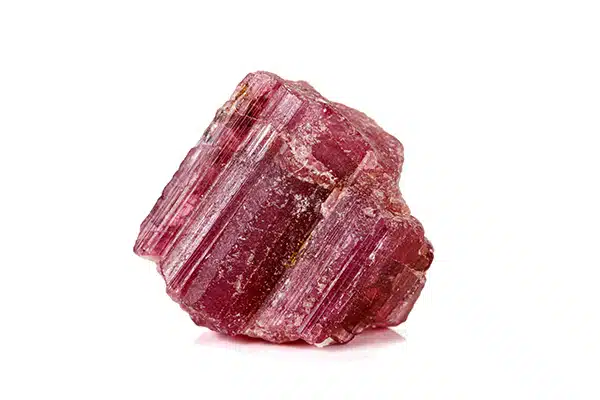
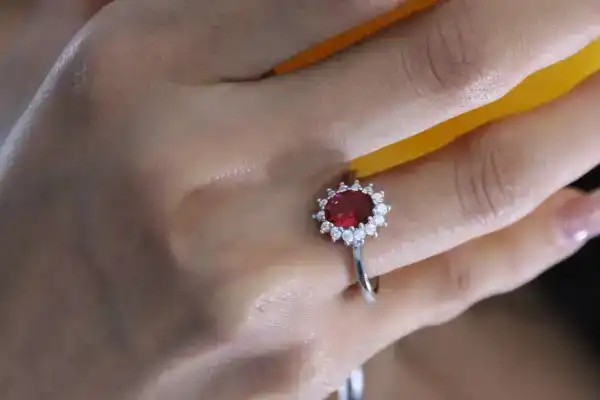
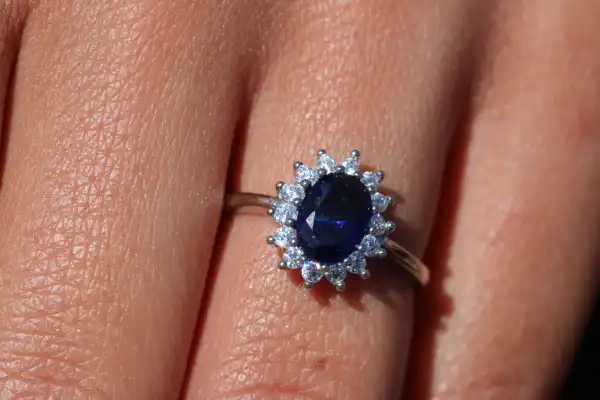
The term “rubellite” comes from the Latin word “rubellus”, meaning “reddish”. Rubellite, or pink tourmaline, has been known for thousands of years and owes its name to its close resemblance to rubies, sapphires and peridots—a confusion that long contributed to its mystery.
In the 19th century, an English merchant identified tourmaline as a gemstone in its own right. He named it after hearing Sri Lankan miners refer to coloured stones using the word “Thuramali”.
A Gemstone Surrounded by Legends
Tourmaline has a remarkable natural property: it can generate static electricity and attract small, lightweight objects when heated or rubbed. This surprising characteristic has inspired numerous stories and legends over the centuries, enhancing the mystical aura surrounding October’s birthstone.
What Is the History of Pink Tourmaline?
Ancient Origins in Sri Lanka
The history of the October birthstone dates back to Antiquity. Known by other names at the time, tourmaline was already being traded as early as the 3rd century BC, first in Sri Lanka and later in India. Like sapphire, tourmaline is associated with Sri Lanka, a land historically renowned for producing some of the world’s finest coloured gemstones.
According to legend, tourmalines travelled from the heavens down to Earth, passing through a rainbow along the way. As they crossed it, they are said to have absorbed all its colours, explaining the exceptional chromatic diversity of this gemstone.
A Stone Long Mistaken for Other Gemstones
Tourmaline’s many colours caused considerable confusion for centuries. These stones were frequently mistaken for other crystals and precious gemstones. Among the British Crown Jewels, a famous tourmaline was believed to be a ruby for several centuries before its true identity was discovered. Other tourmaline varieties were mistaken for emeralds, sapphires and even diamonds.
It was only with the development of modern gemmology that pink tourmaline was finally recognised and appreciated for what it truly is: a distinctive gemstone with its own quality criteria and market value among coloured stones.
What Are the Properties and Meanings of Pink Tourmaline?
This October birthstone is traditionally associated with many symbolic properties, including concentration, comfort, eternal life and creativity. In crystal healing, the gemstone is believed to radiate gentle, comforting energy.
Among the properties traditionally attributed to pink tourmaline, it is said to:
- Promote an overall sense of calm
- Provide a strong feeling of security
- Bring greater mental clarity
- Encourage restful sleep and reduce fatigue
- Improve self-esteem
- Release energy blockages
- Ease negative emotions such as sadness, melancholy and emotional pain
October’s birthstone is therefore traditionally given as a symbol of encouragement to move forward, while providing comfort and support to the person wearing it.
These properties are based on traditional beliefs and crystal healing practices; they are not a substitute for professional medical advice.
What Colours Does Pink Tourmaline Come In?
A Vast Family of Minerals
Tourmaline belongs to the silicate mineral group. Variations in its chemical composition produce an impressive range of colours, including bicoloured gemstones such as watermelon tourmaline, which combines pink and green.
The tourmaline family includes around fourteen different species. The best known is elbaite, which can display shades ranging from pink to blue, as well as colourless and green varieties. Elbaite is considerably more sought after than opaque or black tourmaline varieties and produces some of the finest rubellites used in jewellery.
The Chemical Composition Behind Its Pink Colour
Tourmaline contains several chemical elements, including iron, aluminium, copper, magnesium and manganese. Manganese is the element responsible for the gemstone’s pink colour, which can sometimes deepen into red and may feature white or colourless reflections depending on the clarity of the crystal.
Where Is Pink Tourmaline Found?
October’s birthstone is mined in many regions around the world, including Brazil, Tanzania, Namibia, Mozambique, Sri Lanka, Madagascar, Afghanistan, India, Italy and Australia. Some of the finest red and green tourmalines mainly come from California in the United States, a region with a long history of mining this gemstone.
How to Wear Pink Tourmaline
Which Type of Jewellery Should You Choose?
October’s birthstone can easily be cut and set in gold or platinum. It can be worn around the neck, on the wrist, on the ears or as a pendant. Its durability makes it suitable for a wide variety of jewellery styles for both women and children. Whether you choose a ring, bracelet, necklace or earrings, there are many designs available to suit your preferred style.
Which Metal Best Enhances Pink Tourmaline?
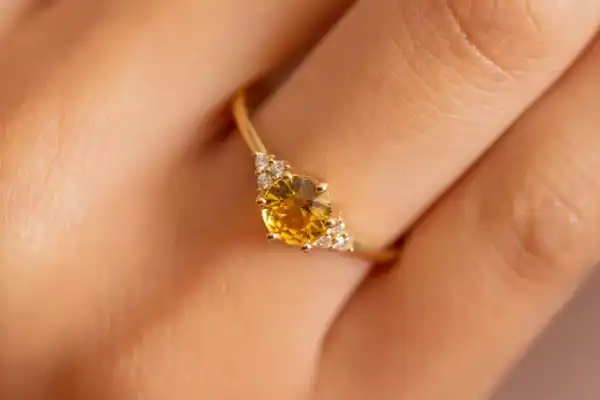
In general, small pink tourmalines measuring 2 to 3 mm, often cut into a heart shape, tend to have a relatively subtle colour. It is therefore best to avoid setting them in yellow or black gold, as these metals may prevent the gemstone’s pink hue from being fully expressed.
Pink tourmaline pairs beautifully with rose gold, white gold and platinum, which naturally enhance its delicate pink tones. These metals are ideal for pink tourmaline necklaces, rings, bracelets, pendants and earrings.
Which Gemstones Pair Well with Pink Tourmaline?
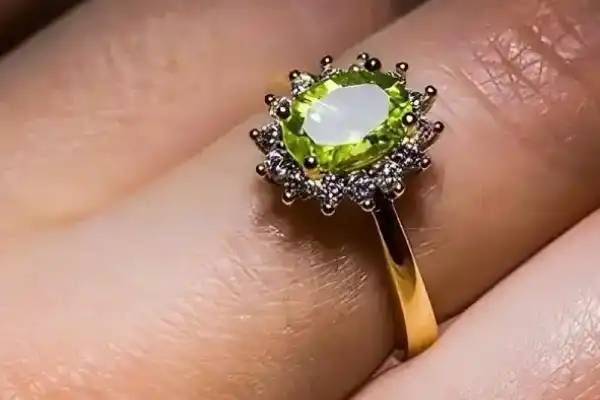
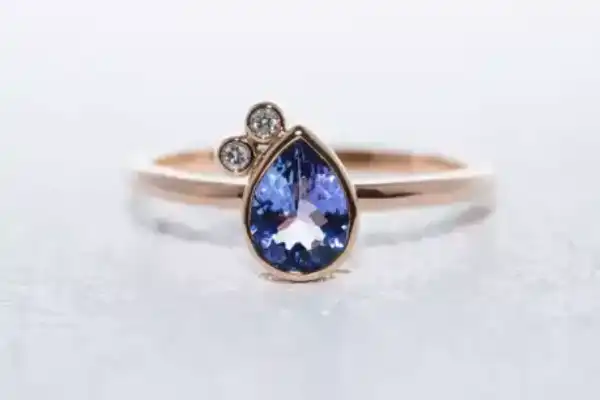
October’s birthstone combines harmoniously with other precious and semi-precious stones, including amazonite, jade, diamond, emerald, ruby, amethyst, citrine, aquamarine, peridot and garnet. These combinations make it possible to create colourful and personalised jewellery.
How to Choose a High-Quality Pink Tourmaline
As with any coloured gemstone, the quality of a pink tourmaline is assessed according to several criteria, following a principle similar to the famous 4Cs used to evaluate diamonds:
- Colour: The most desirable stones display a vivid, saturated pink without dull or uneven areas. Shades approaching the deep red of rubellite are among the rarest and most valuable.
- Clarity: A high-quality pink tourmaline has few inclusions visible to the naked eye. The clearest gemstones generally command higher prices.
- Cut: Brilliant, emerald and cushion cuts are commonly used to reveal the gemstone’s brilliance and depth of colour.
- Carat weight: For gemstones of comparable quality, carat weight directly affects the price. Large, high-quality pink tourmalines are considerably rarer than smaller stones.
- Origin: Certain origins, particularly Brazil and Mozambique, are renowned for producing pink tourmalines with rich, stable colours.
At Celinni, our gemmologists select every pink tourmaline according to these quality criteria, sourcing directly from international diamond and gemstone trading centres to offer our clients beautiful gemstones at the best possible price.
How to Care for Pink Tourmaline Jewellery
With a hardness of 7 to 7.5 on the Mohs scale, pink tourmaline is relatively resistant to everyday knocks. However, a few precautions are still necessary to preserve its brilliance:
- Avoid prolonged contact with chemicals such as perfume, cosmetics and household cleaning products
- Remove your jewellery before intense physical activity, showering or swimming
- Clean it regularly with lukewarm soapy water and a soft brush, then dry it with a soft cloth
- Store it separately from other jewellery in a fabric-lined box to prevent scratches
- Avoid ultrasonic cleaners, as they may weaken certain internal inclusions
Choose Your Pink Tourmaline at Celinni
Sourced without intermediaries from international diamond and gemstone trading centres, the natural gemstones offered by Maison Celinni come from ethical supply chains governed by strict criteria established by non-governmental organisations and international initiatives such as the Kimberley Process.
Maison Celinni’s expert gemmologists are committed to offering you the finest gemstones at the fairest prices. They will help you find the ideal October birthstone and choose a beautiful pink tourmaline at the best possible price, whether for a piece from our collection or a bespoke jewellery creation.
Why Not Book an Appointment Today?
Why wait? Book an appointment at one of our jewellery stores in France, Morocco or Switzerland and receive personalised advice from our diamond dealers and gemmology experts.
They will introduce you to the finest pink tourmalines and guide you in choosing the ideal shape and colour according to your preferences and budget. Together, you can create a truly distinctive piece of jewellery. Visit one of our jewellery stores to discover our most dazzling pink tourmalines.
FIND THE BIRTHSTONES OF YOUR FAVORITE MONTHS:
CUSTOMER TESTIMONIALS
ON YOUR DIAMOND
Read our customer testimonials
NEWSLETTER
Sign up to receive the latest news regarding
the products and services CELINNI, and much more.
This website uses its own and third-party cookies to improve our services and show you advertising related to your preferences by analyzing your browsing habits. To give your consent to its use, press the Accept button.
Cookie preferences
| Cookie | Provider | Purpose | Expiry |
|---|---|---|---|
| PHP_SESSID | www.celinni.com | The PHPSESSID cookie is native to PHP and allows websites to store serialised status data. On the website it is used to establish a user session and to pass state data through a temporary cookie, which is commonly known as a session cookie. These Cookies will only remain on your computer until you close your browser. | Session |
| PrestaShop-# | www.celinni.com | This is a cookie used by Prestashop to store information and keep the user's session open. It stores information such as currency, language, customer ID, among other data necessary for the proper functioning of the shop. | 480 hours |


.png)


.avif)