





WHAT IS RHODIUM PLATING?

Rhodium plating is a process commonly used on silver and white gold jewelry. It restores a bright white finish and brilliant shine, making a piece of jewelry look as radiant as it did when it was first made.
This treatment uses rhodium, a precious metal found naturally in the Earth. Even in the world of fine jewelry and diamonds, physics and chemistry play an essential role. From the origins of rhodium and the different stages of the plating process to the recommended frequency and possible alternatives, here is everything you need to know about rhodium plating before having your jewelry professionally serviced.
What is rhodium?
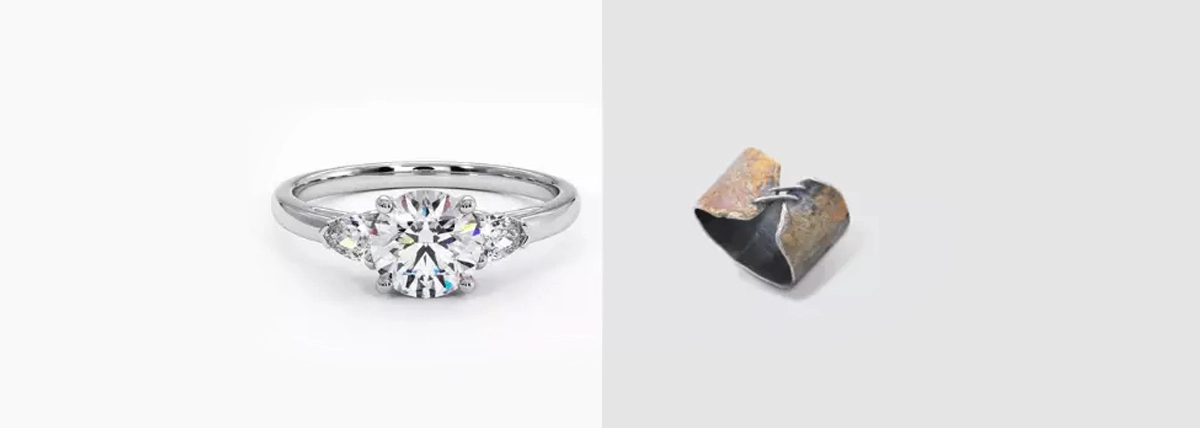
A Metal Discovered in the 19th Century
Rhodium was discovered in the early 19th century by English chemist William Hyde Wollaston. The same chemist also discovered palladium, another precious metal widely used in jewelry making. Rhodium is a white metal identified by the chemical symbol Rh.
Its name comes from the Greek word rhodon, meaning “rose” — a reference to the distinctive pinkish-red color of certain rhodium compounds, rather than the metal itself, which has a silvery-white appearance.
A Platinum Group Metal
Like ruthenium and palladium, rhodium belongs to the lighter metals of the platinum group. This family also includes three heavier metals: iridium, osmium, and platinum. Together, these six metals are known as PGMs (Platinum Group Metals).
Rhodium stands out for its durability, electrical conductivity, chemical stability, and high level of hardness. It is also a noble metal with an exceptionally high melting point. By comparison, gold melts at approximately 1,063°C, while rhodium melts at around 1,964°C. It is also highly resistant to dissolution, even when exposed to some of the strongest acids.
A Rare and Precious Metal
Rhodium is one of the rarest metals extracted worldwide each year, making it an exceptionally valuable raw material. Depending on market conditions, its value can even exceed that of gold, as rhodium prices are particularly volatile.
Rhodium has a distinctive silvery-white appearance, but one of its most valuable properties for fine jewelry is its exceptional resistance to oxidation: it does not oxidize at room temperature and does not tarnish over time. This makes it particularly well suited to preserving the beauty and brilliance of jewelry.
Rhodium occurs naturally in raw mineral deposits but remains extremely scarce: the Earth's crust contains only around 0.001 ppm (parts per million). Naturally occurring rhodium consists of a single stable isotope and is generally found alongside other platinum group metals.
The world's largest rhodium deposits are located in South Africa and the Ural Mountains in Russia. Smaller deposits can also be found in South America and Canada.
It is precisely because fine jewelry needs to resist oxidation and retain its brilliance over time that rhodium is used as a protective finish against the effects of everyday wear.
What Is the Purpose of Rhodium Plating on Diamond Jewelry?
Polishing: An Essential First Step
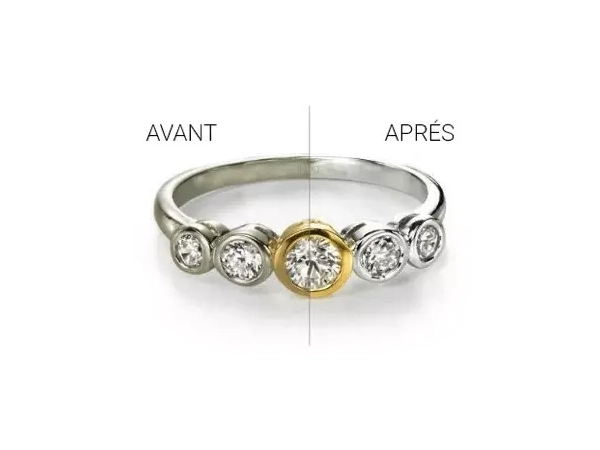
As you now know, rhodium plating is responsible for the distinctive brilliance of silver and white gold jewelry. The process is generally preceded by professional polishing, which smooths the surface of the jewelry to enhance its shine, remove minor imperfections, and eliminate the micro-scratches that naturally accumulate over time.
If you own a diamond ring in white gold or silver, it is naturally exposed to friction and everyday wear. To restore its original brilliance, a jeweler or diamond expert generally works in two stages: polishing followed by rhodium plating.
Without proper polishing, the final result will be noticeably less brilliant. Polishing also helps the rhodium coating adhere more effectively to the surface of the jewelry, allowing the finish to last longer.
It is important to note that this step does not alter the physical characteristics of the jewelry, including its weight, shape, or stone setting.
Why Is White Gold Rhodium Plated?
Contrary to popular belief, white gold is not naturally pure white. In its untreated form, it typically has a slightly yellowish hue. Rhodium plating white gold gives the metal a brighter, whiter, and more luminous appearance than its natural color.
On silver jewelry, rhodium plays a slightly different role. Silver naturally oxidizes and can tarnish over time. Rhodium plating helps silver jewelry retain its color for longer while giving it a brighter, whiter finish than untreated silver jewelry.
What Is the Rhodium Plating Process and What Results Can You Expect?
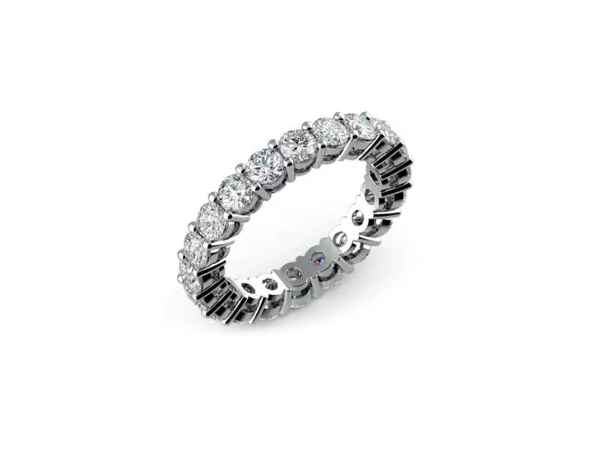
A Precision Chemical Process
Once the jewelry has been polished, the actual rhodium plating process can begin. It is a carefully controlled procedure involving specific stages, each of which must be carried out for a precise amount of time. For this reason, rhodium plating should ideally be entrusted to a professional jeweler rather than attempted at home.
The duration of each stage may vary depending on the condition of the jewelry and the level of treatment required. A heavily tarnished piece, for example, may require a longer treatment than a piece of jewelry that is already in good condition.
The Different Stages of Rhodium Plating
- Ultrasonic cleaning: before the rhodium plating itself begins, the jewelry is placed in an ultrasonic cleaning bath. This removes small particles and residues that may have become trapped in hard-to-reach areas during polishing, particularly the dark residue left behind by polishing compounds.
- Degreasing: once perfectly clean, the jewelry is thoroughly degreased to prepare its surface for plating.
- Rinsing: the piece is rinsed first under running water and then with demineralized water to remove any remaining impurities.
- The rhodium bath: finally, the jewelry is immersed in the rhodium plating bath. This final stage creates the characteristic bright white finish and restores the jewelry's brilliance.
The quality and appearance of the final rhodium-plated finish depend on several technical factors carefully controlled by the professional carrying out the process:
- The presence of certain impurities
- The agitation of the plating bath
- The electrical current density applied
- The acidity level of the bath
- The temperature of the bath
- The concentration of rhodium in the plating solution
Rhodium plating is a genuine exercise in precision chemistry — and that level of control is exactly what is required to achieve a brilliant, high-quality finish.
Once the jewelry emerges from the final bath, its color and brilliance are fully restored, bringing back the radiant appearance it had when it first left the jewelry workshop.
This level of professional jewelry care comes at a cost, particularly because rhodium remains a rare and precious raw material. However, a carefully performed rhodium plating treatment can restore the appearance of your jewelry and make it look beautifully renewed.
How Long Does Rhodium Plating Last?
The lifespan of a rhodium coating depends on its thickness and how well the jewelry is cared for on a daily basis. Rhodium plating generally lasts between one and two years, and sometimes longer for jewelry that is worn infrequently or exposed to minimal friction.
Jewelry worn every day, particularly a wedding ring or engagement ring, is subject to more frequent wear than jewelry reserved for occasional use. As a result, rings worn daily may require rhodium replating more often to maintain their bright white finish and original brilliance.
When Should You Have Your Jewelry Rhodium Plated?
Several signs can indicate that it is time to have your jewelry rhodium plated again. The most noticeable is a gradual loss of shine: the surface may become duller and less reflective. On white gold jewelry, a slight yellowish tint may also begin to appear as the rhodium coating wears away, revealing the natural color of the metal underneath.
On silver jewelry, the appearance of a slight grayish film or localized oxidation can also indicate that the protective rhodium layer is beginning to wear.
The ideal frequency for rhodium replating depends primarily on how often the jewelry is worn. A ring worn every day, such as a wedding band or engagement ring, is exposed to more friction through everyday activities — washing dishes, exercising, and regular hand movements — and will therefore lose its brilliance more quickly than jewelry worn only occasionally, such as a necklace or earrings reserved for special occasions.
For this reason, there is no universal schedule for rhodium replating. The best approach is to have your jewelry inspected regularly by a diamond expert or professional jeweler, who can assess the condition of the rhodium coating and determine whether a new treatment is necessary.
Are There Alternatives to Rhodium Plating for Diamond Jewelry?
How Long Does Rhodium Plating Last?
The lifespan of a rhodium coating depends on its thickness and how well the jewelry is cared for on a daily basis. Rhodium plating generally lasts between one and two years, and sometimes longer for jewelry that is worn infrequently or exposed to minimal friction.
Jewelry worn every day, particularly a wedding ring or engagement ring, is subject to more frequent wear than jewelry reserved for occasional use. As a result, rings worn daily may require rhodium replating more often to maintain their bright white finish and original brilliance.
Rhodium plating not only refreshes the appearance of a piece of jewelry but also helps make its surface more resistant to everyday wear and deterioration. It can also be beneficial for people who are sensitive to certain metals, as the rhodium coating creates a thin protective barrier between the underlying metal and the skin.
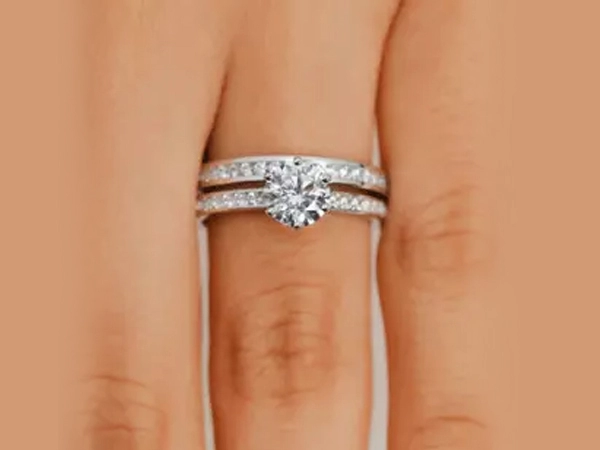
Besides rhodium itself, potential alternatives include palladium, ruthenium, and platinum — other members of the Platinum Group Metals (PGMs) that share similar chemical properties.
In practice, however, these alternatives are less commonly used for this type of jewelry treatment. Rhodium remains the preferred choice in fine jewelry, particularly for enhancing the bright white appearance of white gold and silver jewelry.

- Rhodium's color is very close to that of silver and, consequently, white gold. After extensive testing with different metals, rhodium has remained the preferred option because it does not significantly alter the natural appearance of silver or white gold, although it can add a very subtle grayish tone. This is one of the reasons why rhodium plating is widely used to enhance the brilliance of jewelry.
- In 1979, Paul McCartney received a special award from the Guinness Book of World Records in recognition of his musical career. As gold, silver, and platinum were not considered prestigious enough for the occasion, he was presented with a rhodium record — which was actually a gold record plated with rhodium.
The diamond dealer's advice:
Rhodium plating is an important part of white gold and diamond jewelry care and requires time, precision, and professional expertise:
- The rhodium layer naturally wears away over time due to everyday friction, contact, and minor impacts. It is therefore recommended to have a new layer applied after polishing once the jewelry begins to lose its original brilliance.
- Never attempt to rhodium plate jewelry yourself. This delicate process should always be entrusted to your diamond expert, jeweler, or another qualified professional.
- The cost of rhodium plating generally remains relatively affordable and varies depending on the size, design, and complexity of the piece of jewelry.
FAQ — Frequently Asked Questions About Rhodium Plating
What exactly is rhodium plating?
Rhodium plating is a surface treatment that involves coating silver or white gold jewelry with a thin layer of rhodium, a precious white metal that is highly resistant to oxidation and tarnishing. The process helps restore the jewelry's original brilliance and bright white finish.
Is rhodium plating necessary for all white gold jewelry?
Yes, because white gold is not naturally pure white. In its untreated form, it has a slightly yellowish hue. Rhodium plating gives white gold jewelry its characteristic bright, white, and highly polished appearance.
How long does rhodium plating last?
A rhodium coating generally lasts between one and two years, and sometimes longer, depending on the thickness of the coating, how frequently the jewelry is worn, and how it is cared for.
Does rhodium plating damage jewelry?
No. Neither polishing nor rhodium plating alters the physical characteristics of the jewelry. Its weight, shape, and stone settings remain unchanged. These treatments simply restore and enhance the appearance of the jewelry's surface.
Can you rhodium plate jewelry yourself?
No. Attempting to rhodium plate jewelry without the appropriate equipment and expertise is strongly discouraged. Rhodium plating is a precision chemical process that should always be carried out by a qualified professional jeweler or diamond expert.
How much does rhodium plating cost?
The cost of rhodium plating is generally relatively affordable and varies depending on the size, design, and complexity of the jewelry. Your diamond expert or jeweler can provide an accurate quote based on the specific piece that requires treatment.
Is rhodium plating suitable for people with metal allergies?
Rhodium creates a thin protective barrier between the underlying metal and the skin, which may be beneficial for people who are sensitive or allergic to certain metals, such as nickel, which can sometimes be present in small amounts in white gold alloys.








CUSTOMER TESTIMONIALS
ON YOUR DIAMOND
Read our customer testimonials
NEWSLETTER
Sign up to receive the latest news regarding
the products and services CELINNI, and much more.